Sapporo in 4 Days: Food, Seasons and Easy Day Trips
Four days is a practical length for a first visit to Sapporo: enough time for the city centre, local food, one seasonal experience and a day trip without turning every day into a long transfer. Sapporo works in every season, but the best itinerary changes sharply between snowy winter and the greener months. Use the city’s subway, JR trains, buses and trams for central sightseeing, and check seasonal conditions before travelling outside the centre.
Quick planning answer
Stay near Sapporo Station, Odori Park or Susukino. These areas make restaurants, shopping and public transport straightforward. Allow one day for central Sapporo, one for food and neighbourhoods, one for a flexible seasonal activity and one for Otaru or another nearby excursion. In winter, reserve extra time for snow and transport delays.
Day 1: Sapporo Station, Odori Park and the city centre
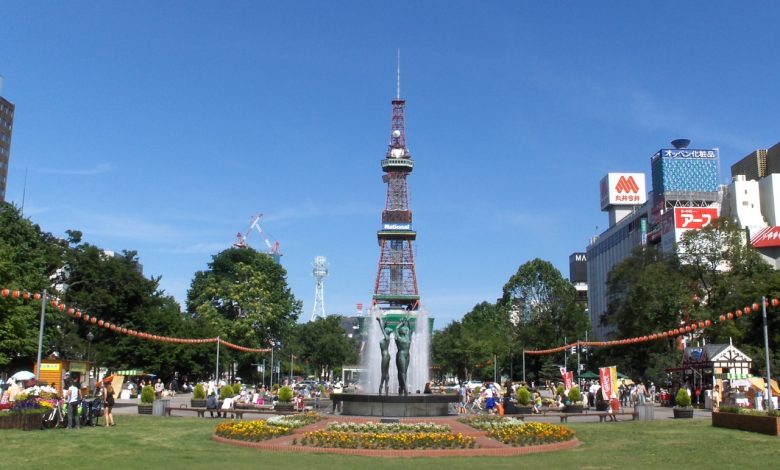
Start at Sapporo Station and walk south through the central grid towards Odori Park. Continue to the Clock Tower and the former Hokkaido Government Office area, checking current access before visiting. Odori Park is useful for orientation because it separates the north-south parts of the centre. Finish around Tanukikoji Shopping Street and Susukino, where you can compare soup curry, miso ramen and seafood restaurants without crossing the whole city.
Day 2: Markets, views and local food
Begin at Nijo Market or another reputable morning market, then choose one museum or cultural attraction rather than trying to fit several distant sites together. In the afternoon, take the ropeway or another transport option towards Mount Moiwa if the weather is clear. Evening is the right time for Susukino’s dining streets, but make reservations when a particular restaurant matters to you. Sapporo’s food culture is a reason to slow down, not simply another item on a checklist.
Day 3: Choose a seasonal experience
Winter visitors can plan around snow activities, illumination events or a nearby hot-spring area, but conditions and operating calendars change. Summer and autumn are better for parks, viewpoints and short hikes. The official Sapporo guide lists trains, buses, subway lines, trams and taxis as practical transport options, so choose the activity first and then check the most current route. Do not assume a rural excursion can be added after dinner without checking the final return service.
Day 4: Otaru or a slower Sapporo day
Otaru is a realistic day trip from Sapporo by JR train. Walk the canal area, explore the historic shopping streets and leave time for a meal before returning. Check the latest railway timetable, especially in winter. If you prefer to stay in Sapporo, use Day 4 for Shiroi Koibito Park, a neighbourhood café route, a brewery visit or a second museum. This option gives you a safer buffer if weather disrupts an earlier plan.
Where to stay and how to get around
Sapporo Station is best for onward rail travel and airport connections. Odori is central for parks and city walking, while Susukino suits travellers who want evening food nearby. Use an IC transport card where accepted and allow extra time when snow affects walking speed. For day trips, compare the full journey, not only the ticket price: a slightly earlier train can protect your evening plans.
Best time and booking priorities
Winter is popular for snow and the February Snow Festival, while summer offers easier walking and access to outdoor areas. Autumn colours and spring events have shorter seasonal windows. Book accommodation early for major festivals, confirm weather-dependent attractions on the day, and check official notices for transport or closures.
Frequently asked questions
Is four days enough for Sapporo?
Yes. Four days covers the centre, food, one seasonal activity and Otaru without constant hotel changes.
Can I visit Sapporo without a car?
Yes, especially for central Sapporo and Otaru. A car is more useful only when combining several rural Hokkaido sites.
Is Sapporo only a winter destination?
No. Summer and autumn offer parks, food, festivals and outdoor access, while winter requires more weather planning.
Continue planning: explore our Japan travel guides and compare Sapporo with our Tokyo guide before building a longer Japan route.
Sources checked: Visit Sapporo and the Japan National Tourism Organization. Seasonal schedules and access conditions should be confirmed before travel. Featured image: Odori Park photo by Daigaku2051, Wikimedia Commons, CC BY-SA 3.0.