Neko Harbour: What to Expect from an Antarctic Cruise Landing
Consider Neko Harbour when comparing Antarctic Peninsula voyages, but book a sailing you would still want if the landing were cancelled. It is a stop chosen by the expedition team, not an excursion you reserve separately. A suitable ship, a workable Zodiac transfer and enough days on the Peninsula matter more than a single name on the route map.
An IAATO report to the Antarctic Treaty meeting listed Neko Harbour among the five most visited landing sites by number of vessels in 2025–26. This is a record of past operations, not an estimate that you will set foot there. Use it to identify Neko Harbour as a common possibility, then compare what happens on your exact departure if conditions rule it out.
Choose a voyage by shore access and time near the Peninsula
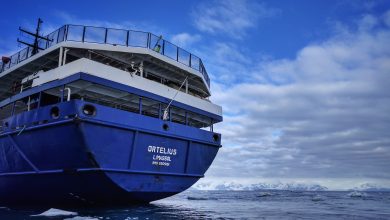
Ask for the precise vessel name and whether the trip is run as an expedition with planned shore operations. The IAATO vessel directory helps distinguish expedition vessels from cruise-only voyages. Check the exact number of days the itinerary gives to the Peninsula; the full length on a brochure also includes embarkation, sea days and return. Two sailings of similar total length may offer a different balance.
Ask how landing groups are rotated and what you can do if you choose to remain aboard. If a member of the group uses a mobility aid, describe the transfer and physical needs before buying a ticket. A guide to Zodiac boarding, the height and shape of steps, and the expected surface ashore is more useful than a general description that calls a landing easy.
When to go and how many days to allow
For a conventional sail from Ushuaia, use roughly ten to twelve days as a first comparison, then add separate nights for your flights. Most visits fit the austral summer operating season. Earlier departures can offer more snow, while later departures can give a different mix of conditions and wildlife behavior. Neither gives you control over wind, ice, swell or whether the site can be used. Compare the operator’s seasonal route and cancellation policies before deciding.
Stay in Ushuaia before embarkation if that is your ship’s port. Check the actual meeting point, transfer arrangements and luggage rules; the place you check in for the expedition may not be the berth. Choose a hotel that can work with your arrival time and keep a spare night where you can. If your package uses a different embarkation port or a flight to Antarctica, follow its own timing and contingency plan.
What a landing day can look like
Before leaving the ship: Listen to the briefing and confirm whether the plan is a landing, a boat outing or an alternative site. Keep gloves and your outer layer ready while you wait. Follow the team’s biosecurity checks for boots and gear, even if you cleaned everything before boarding.
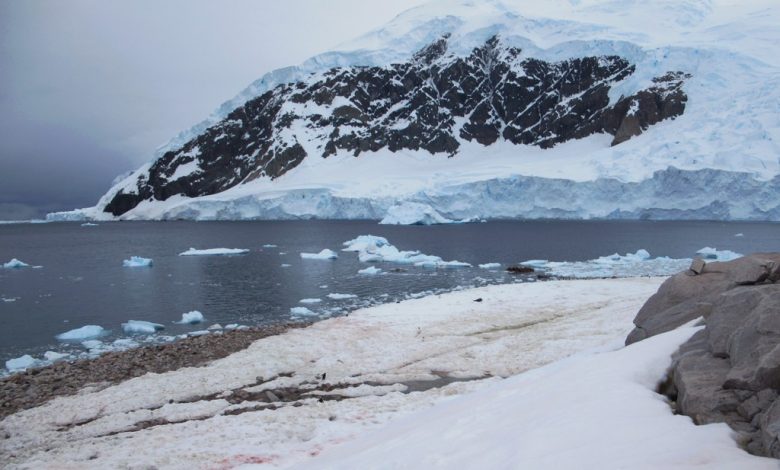
On shore, if permitted: Follow the marked or guided route and leave wildlife a clear path. The Antarctic Treaty site guidance warns about waves from glacier calving and crevasses near the higher areas. Do not linger on the beach for a camera angle or assume you can walk up a slope because someone else did. Staff instructions take priority.
If the landing is cancelled: The team may offer a boat outing, time watching from the ship or a visit elsewhere. The right choice depends on the same weather and wildlife constraints. Keep binoculars ready and follow the IAATO visitor guidance for wildlife and environmental protection.
Compare the full cost and the return plan
Ask for a written list of hotel nights, charter flights, boot loans and transfers included in each quote. Compare the cost of adding a buffer night at both ends, particularly if your international ticket is separate. If the brochure shows optional activities, ask what can be booked in advance and what happens to the fee if the activity is cancelled. You do not need to pay for every option to make a worthwhile first trip; choose those you would still want away from this specific harbour.
Booking checklist
- Check planned shore days, the exact ship, landing-group logistics and what the fare includes.
- Confirm permitted gear and your insurer’s expedition, evacuation and activity coverage against the written voyage terms.
- Keep arrival and departure buffers. Check what happens if either the itinerary or your connecting transport changes.
Your next step: Compare two departures, write down what you would still enjoy without a Neko Harbour landing, and choose the ship that suits your group. Use our first Antarctic cruise guide for the wider decision, compare the Port Lockroy landing guide, and read the Antarctica route and ship overview.
Featured photograph: David Stanley, source on Wikimedia Commons, CC BY 2.0. Resized for display.