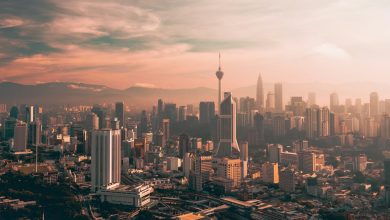
When planning a trip to Tehran, it’s important to be well-prepared and informed to ensure a smooth and enjoyable experience. From understanding the best time to visit and navigating the public transportation system to respecting local customs and sampling authentic Persian cuisine, this comprehensive Tehran Trip Advisor covers all aspects of exploring the vibrant city. By avoiding common mistakes and staying safe and aware, you can make the most of your visit to Tehran. Whether you’re interested in cultural sites, currency exchange rates, or day trips from the city, this guide has got you covered.
Common Mistakes to Avoid When Exploring Tehran
When embarking on a journey to Tehran, it’s important to be aware of common mistakes that travelers often make. By understanding these pitfalls, you can ensure a smoother and more enjoyable experience during your visit to this fascinating city. Here are some common mistakes to avoid in your Tehran Trip Advisor:
- Underestimating the Traffic:
- Tehran is known for its heavy traffic, especially during rush hours. It’s essential to plan your itinerary around potential traffic delays, allowing ample time to reach your destinations.
- Neglecting the Dress Code:
- Forgetting to dress modestly in public places, especially when visiting religious sites, can lead to uncomfortable situations. Be sure to respect local customs by dressing appropriately.
- Disregarding Cultural Etiquette:
- Failing to adhere to local customs and traditions can inadvertently cause offense. Familiarize yourself with Persian customs, such as removing shoes before entering someone’s home, to show respect.
- Ignoring Currency Exchange Rates:
- It’s crucial to stay updated on the currency exchange rates to avoid overpaying for goods and services. Be mindful of where and how you exchange your money to get the best rates.
- Overlooking Safety Precautions:
- While Tehran is generally safe for tourists, it’s still important to remain vigilant, especially in crowded areas. Keep an eye on your belongings and be cautious of your surroundings.
Being mindful of these common mistakes will contribute to a more enriching and hassle-free experience as you explore Tehran. By taking these factors into account, you can make the most of your visit while respecting the local culture and ensuring your safety.

Best Time to Visit Tehran
When planning your trip to Tehran, it’s essential to consider the best time to visit to ensure an enjoyable experience. The climate and local events can significantly impact your exploration of the city. Here’s a breakdown of the best times to visit Tehran to make the most of your travel experience:
- Spring (March to May):
- Pleasant weather with blooming landscapes and moderate temperatures.
- Ideal for outdoor activities and exploring the city’s attractions.
- Perfect for witnessing the Nowruz (Persian New Year) celebrations and experiencing local traditions.
- Fall (September to November):
- Mild weather and fewer crowds making it perfect for sightseeing.
- Enjoy the beautiful autumn foliage in the city and surrounding areas.
- Great time to explore cultural sites and indulge in outdoor adventures.
- Shoulder Seasons (April, May, September, October):
- Comfortable weather with fewer tourists.
- Ideal for exploring cultural landmarks and enjoying local cuisine.
- Considered the best time for a balanced travel experience in Tehran.
While summer can be hot and winter cold, planning a visit during these seasons can also provide unique experiences for those willing to embrace the weather extremes. Keep in mind that accommodation and flight prices may vary depending on the season, so booking in advance is advisable.
By carefully choosing the best time to visit Tehran, you can optimize your travel experience and make the most of your Tehran adventure. Whether you prefer spring blooms, autumnal hues, or embracing the extremes of summer and winter, Tehran has something to offer throughout the year.
Navigating the Public Transportation System
When exploring Tehran, understanding the public transportation system is essential for a smooth and efficient travel experience. Here are some key points to consider in the Tehran Trip Advisor:
- Metro: The Tehran Metro is the quickest and most convenient way to navigate the city. With easily identifiable signs and announcements in both Persian and English, it’s foreigner-friendly. It operates from early morning until late at night, making it a reliable option for travelers.
- BRT (Bus Rapid Transit): Tehran’s BRT system covers a wide area of the city and is an economical mode of transport. With dedicated lanes, it offers a faster alternative to regular buses, especially during peak hours.
- Taxi Services: Taxis are abundant in Tehran and can be a convenient option for reaching destinations not covered by the metro or BRT. Ensure the taxi meter is used or negotiate the fare before starting the journey.
- Ridesharing Apps: Like in many modern cities, ridesharing apps offer a convenient and often cost-effective means of getting around Tehran.
Comparing the different modes of transportation can help you make informed decisions when planning your itinerary. Here’s a simple comparison table for easy reference:
| Mode of Transportation | Pros | Cons |
|---|---|---|
| Metro | Fast, well-connected, foreigner-friendly | Limited coverage, crowded during peak hours |
| BRT | Economical, rapid transit | Limited routes, crowded during peak hours |
| Taxi | Widely available, convenient for off-peak | Potential for overcharging, traffic congestion |
| Ridesharing Apps | Convenience, cost-effective | Availability may vary based on location |
Mastering the public transportation system in Tehran will not only save you time and money, but it will also provide an authentic local experience. Remember to keep the Tehran Trip Advisor in mind while navigating the city to ensure a memorable and hassle-free trip.
Top Cultural Sites to Visit
When exploring Tehran, it’s essential to immerse yourself in the rich cultural heritage of the city. Here are some of the top cultural sites that you should not miss during your visit:
- Golestan Palace: This opulent royal complex, a UNESCO World Heritage site, offers a glimpse into Iran’s history and architectural grandeur. Admire the intricate design of the palaces, gardens, and museums within the complex.
- Grand Bazaar: Known as the heartbeat of Tehran, the Grand Bazaar is a bustling hub of activity where you can experience the local culture, shop for traditional handicrafts, and interact with friendly merchants.
- National Museum of Iran: Delve into Iran’s ancient civilization and history at this museum, which houses an extensive collection of artifacts, including pottery, jewelry, and manuscripts spanning thousands of years.
- Milad Tower: For panoramic views of Tehran, head to the Milad Tower, the city’s iconic landmark. Take in the breathtaking vistas from the observation deck and learn about the tower’s significance in Tehran’s modern skyline.
- Tehran Museum of Contemporary Art: Art enthusiasts should not miss this museum, home to one of the most extensive collections of Western modern art outside of Europe and the United States.
By visiting these cultural sites, you’ll gain a deeper understanding of Tehran’s artistic, historical, and societal significance, making your trip truly memorable.
Remember to incorporate “Tehran Trip Advisor” in an organic and relevant manner throughout the section.

Respecting Local Customs and Traditions
When exploring Tehran, it is essential to be mindful of local customs and traditions to ensure a respectful and enriching experience. Here are some key points to consider:
- Modest Clothing:
- Both men and women should dress modestly to respect Iranian customs. For women, this means wearing a headscarf to cover their hair, as well as loose-fitting clothing that covers the arms and legs. Men should also dress modestly, avoiding shorts and sleeveless tops.
- Greetings and Interactions:
- Greet locals with a polite “Salam” (hello) and be mindful of personal space when interacting. It is also important to use formal titles when addressing elders or individuals in positions of authority.
- Photography Etiquette:
- Always ask for permission before taking photos of individuals, particularly women. Be respectful of places where photography may be restricted, such as religious sites.
- Respect for Religion:
- Tehran is home to many significant religious sites. Visitors should conduct themselves respectfully when visiting mosques, shrines, and other religious landmarks. This includes removing shoes before entering, dressing modestly, and avoiding loud or disruptive behavior.
- Alcohol and Public Displays of Affection:
- It is important to note that public consumption of alcohol and public displays of affection are not permitted in Tehran. Visitors should respect these cultural norms during their stay.
By adhering to these customs and traditions, travelers can show their appreciation for Tehran’s rich cultural heritage and engage with the local community in a respectful manner.
Sampling Authentic Persian Cuisine
When visiting Tehran, indulging in authentic Persian cuisine is an experience not to be missed. Here’s a guide to help you savor the flavors of Iran’s culinary delights:
What to Try
- Kebabs: Enjoy succulent and flavorful kebabs, such as koobideh (minced meat) or joojeh (chicken) kebabs, commonly served with fragrant saffron rice.
- Tahchin: This savory saffron rice cake with tender chunks of chicken or lamb is a must-try for food enthusiasts.
- Ghormeh Sabzi: Delight in this herb and meat stew, a beloved dish in Persian cuisine, often featuring lamb or beef.
- Fesenjan: Indulge in a rich and tangy pomegranate and walnut sauce served with poultry, offering a unique blend of sweet and savory flavors.
Where to Dine
- Tehran Restaurants: Visit cozy local restaurants in Tehran, like Moslem or Shahrzad, for an authentic taste of Persian dishes.
- Street Food: Embrace the vibrant street food scene where you can find local specialties like dizi (a hearty lamb and chickpea stew) or delectable desserts like bastani (saffron ice cream).
Dining Etiquette
When sampling Tehran’s culinary offerings, remember to:
- Respect local customs and traditions, including modest dressing and using your right hand for eating.
- Embrace the warm hospitality of the Iranian people, as dining is often a social and communal experience.
By immersing yourself in the diverse flavors of Tehran, you can truly appreciate the rich tapestry of Persian cuisine and create unforgettable memories of your Tehran travel experience.
Understanding the Currency and Exchange Rates
When traveling to Tehran, it’s essential to have a good understanding of the local currency and exchange rates to ensure a smooth and hassle-free experience. Here is what you need to know about currency and exchange rates in Tehran:
- Local Currency: The official currency of Iran is the Iranian Rial (IRR). It’s recommended to familiarize yourself with the currency symbols and denominations to avoid confusion during transactions.
- Exchange Rates: The exchange rates can fluctuate, so it’s advisable to check the latest rates before exchanging your money. Exchange offices are widely available throughout Tehran, especially in tourist areas and major hotels.
- Currency Exchange: It’s best to exchange your currency at authorized exchange offices or banks to ensure you get a fair rate. Avoid exchanging money with unofficial money changers to prevent scams or counterfeit currency.
- Payment Methods: While cash is widely used in Tehran, major hotels, upscale restaurants, and some large stores accept credit cards. However, it’s always good to have some cash on hand for smaller vendors and local establishments that may not accept cards.
- ATMs: ATMs are easily accessible in Tehran, allowing you to withdraw cash in the local currency. However, it’s advisable to inform your bank about your travel plans to Iran to prevent any issues with international transactions.
By understanding the local currency and exchange rates, you can effectively manage your finances and have a seamless experience while exploring Tehran.

Staying Safe and Aware in Tehran
When exploring a new destination like Tehran, it’s important to prioritize safety and remain aware of your surroundings. This section of the Tehran Trip Advisor will provide essential tips and advice to ensure a safe and enjoyable trip to the Iranian capital.
Safety Tips for Travelers in Tehran
Here are some key points to consider when it comes to staying safe in Tehran:
- Be Mindful of Local Laws: Familiarize yourself with local laws and regulations to avoid unintentional violations. It’s important to respect the cultural and religious norms of the country.
- Stay Informed About the Current Situation: Before and during your visit, stay updated on the local news and any travel advisories issued for Tehran. This will help you make informed decisions during your stay.
- Keep Valuables Secure: Like in any major city, it’s advisable to keep your valuables secure and be cautious of pickpocketing in crowded areas or public transport.
- Use Licensed Taxis or Ride-Sharing Services: When getting around the city, opt for licensed taxis or reputable ride-sharing services for safe and reliable transportation.
- Respect Local Customs: Show respect for local customs and traditions, dress modestly, and be mindful of cultural sensitivities to blend in with the local community.
Comparison Table: Safety Precautions in Tehran
Here’s a comparison table outlining safety precautions for travelers in Tehran compared to other major cities:
| Safety Precautions | Tehran | New York City | Tokyo |
|---|---|---|---|
| Respect for Local Laws | Very important | Important | Important |
| Pickpocket Awareness | High | Moderate | Low |
| Cultural Sensitivity | Highly important | Important | Important |
By following these safety tips and remaining vigilant, travelers can experience the rich culture and warm hospitality of Tehran while ensuring a safe and memorable journey.
Recommended Day Trips from Tehran
When visiting Tehran, taking day trips to nearby attractions is a fantastic way to delve deeper into the rich tapestry of Iran’s history, culture, and natural beauty. Here are some recommended day trips to consider adding to your Tehran travel itinerary:
- Kashan: Just a few hours’ drive from Tehran, Kashan is renowned for its stunning historical houses, lush gardens, and traditional bazaars. Visitors can explore the UNESCO-listed Fin Garden, admire the intricate architecture of Tabatabaei House, and immerse themselves in the local culture.
- Qom: As one of the most important religious centers in Iran, Qom is a significant pilgrimage site for Shiite Muslims. The city is home to the striking Fatima Masumeh Shrine, attracting pilgrims and tourists alike with its grandeur and spiritual significance.
- Damavand: Adventure enthusiasts will be thrilled to visit Mount Damavand, the highest peak in Iran and the Middle East. Whether you’re an avid trekker or simply seeking awe-inspiring views, a day trip to Damavand offers a rewarding experience.
- Abyaneh: Step back in time with a visit to Abyaneh, an ancient village characterized by its reddish hue and well-preserved traditional architecture. Stroll through narrow, winding alleys, interact with the friendly locals, and gain insight into rural Iranian life.
- Chalus: Nature lovers can escape the city bustle by heading to Chalus, a picturesque city nestled in the Alborz Mountains. The scenic drive along the Chalus Road offers breathtaking vistas, while the surrounding forests and rivers provide opportunities for outdoor activities like hiking and picnicking.
By incorporating these day trips into your Tehran travel itinerary, you’ll have the chance to explore Iran’s diverse landscapes, delve into its heritage, and create unforgettable memories outside the bustling capital.
Remember, always plan your day trips carefully, considering factors such as travel duration, road conditions, and seasonal variations in weather to ensure a smooth and enjoyable experience. Tehran Trip Advisor