Rapa Nui in 5 Days: Moai, Volcanoes and Responsible Planning
Easter Island Travel Guide: Things to Do in 2026

Rapa Nui rewards time and restraint. Five days let you visit major archaeological landscapes with an accredited guide, walk around Hanga Roa, leave room for weather changes and avoid reducing the island to a race between moai photographs. The most important planning decision is not which site to see first, but how you will meet current entry and park rules while respecting a living Polynesian culture.
At a glance
| Recommended stay | Five full days |
|---|---|
| Best base | Hanga Roa, where most accommodation and services are located |
| Book first | Flights, authorized accommodation, park ticket and accredited guiding |
| Keep flexible | One day for weather, rest or a rescheduled guided visit |
Before you travel
Rapa Nui has special entry requirements in addition to Chile’s general immigration rules. Official Chilean guidance directs travellers to complete the required entry form and provide details of accommodation registered with SERNATUR, or an eligible invitation. Requirements can change, so use the official Chile travel guidance and airline instructions for your dates.
For the national park, official tourism and Ma’u Henua guidance states that visitors need a park ticket and must be accompanied by an accredited guide at archaeological sites. Do not rely on an older itinerary that suggests independent access everywhere. Confirm which sites, entries and transport are included before hiring a guide.
When to visit
Rapa Nui can be visited year-round, but conditions are exposed and changeable. Warmer months may suit travellers prioritizing beach time; cooler periods can be comfortable for walking. Rain, wind and strong sun are possible in any season. A good itinerary has movable parts rather than a single tightly timed island circuit.
Day 1: Hanga Roa and cultural orientation
Use arrival day to settle in, walk the waterfront and understand the layout of Hanga Roa. Visit the local museum if it is open, check current park arrangements and meet your guide before the first full excursion. A short sunset walk is better than driving tired after a long flight.
Ask how your guide approaches cultural context, site protection and local place names. The island’s history is more complex than the familiar “mystery” and “collapse” labels repeated in older travel writing.
Day 2: Rano Raraku and the southeast coast
Rano Raraku, the volcanic quarry associated with many moai, deserves patient interpretation. Combine it with the ceremonial platform at Ahu Tongariki only if the route and park rules allow enough time at both. Stay on marked paths, do not touch stonework and follow the guide’s instructions about photography and protected ground.
This is the day to learn how moai were carved, moved and positioned within ancestral landscapes—not simply to count statues.
Day 3: Orongo and Rano Kau
Visit the Rano Kau crater viewpoint and the ceremonial village of Orongo with a guide. Wind can be intense at the crater rim, so carry a secure layer and avoid standing beyond barriers for a photograph. The day’s focus should be the birdman tradition, the relationship between landscape and ceremony, and the conservation limits that protect the site.
Day 4: the north coast or a slower guided circuit
Use the fourth day for sites that complement—not repeat—the first two excursions. Your options will depend on current access, your guide’s route and your mobility. Ask about walking surfaces, shade and toilet availability before departure; official park information notes that visitor facilities are limited at some sites.
Pack water and food responsibly, then carry waste back to Hanga Roa. Avoid stacking stones or leaving offerings that have not been specifically invited by the local community.
Day 5: Anakena, Hanga Roa and a weather buffer
Keep the final day adaptable. Anakena can combine archaeology and beach time when conditions cooperate, but it should not be treated as guaranteed swimming weather. If an earlier excursion moved because of rain or wind, use this day to reschedule it. Otherwise, return to Hanga Roa for crafts, food and a final museum or coastal walk.
Where to stay and how to get around
Hanga Roa is the practical base for restaurants, shops, accommodation and most tour departures. Check whether airport transfers and breakfast are included, and verify that the property appears in the official accommodation system required for entry.
Guided transport is the simplest choice for archaeological days. A rental vehicle can help with ordinary island movements, but it does not replace the guide requirement at park sites. Roads, fuel arrangements and insurance conditions should be confirmed locally.
Common mistakes
- Booking a flight without checking the special entry documents.
- Buying a park ticket but failing to arrange accredited guiding.
- Planning every major site in one rushed circuit.
- Walking off marked paths or touching archaeological material.
- Repeating sensational history claims without listening to Rapa Nui perspectives.
Continue planning
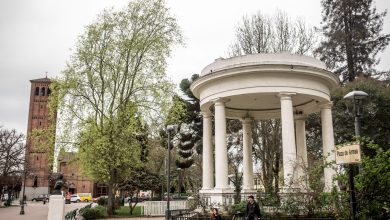
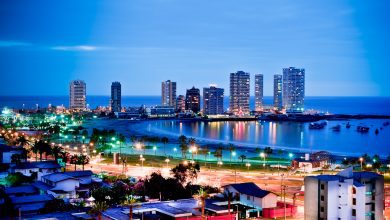
If Rapa Nui is part of a longer Chile journey, compare it with a northern desert-and-coast stay in Iquique or a river-and-heritage break in Valdivia. For wider regional ideas, use our South America travel hub.
Sources checked in October 2026: Chile Travel and Chilean government guidance for entry requirements; Ma’u Henua and CONAF for park access, guide requirements and visitor facilities. Reconfirm all requirements before departure.