Chillán in 2 Days: Market Food, Modern Architecture and Music
Chillán is worth two full days if you enjoy food markets, twentieth-century architecture and a city with a strong musical identity. Add a third day only if you want a separately arranged rural excursion. The key decision is whether you want an easy cultural stop reached by train or a wider Ñuble road trip: they require different transport and booking choices.
Chile Travel’s heritage itinerary, updated 14 August 2026, puts the city into a regional route. Recent traveller survey research also points to interest in food and traditional skills. Those sources inform this cultural angle; neither proves a surge in visitors to Chillán. This plan gives the city more breathing room than a single sightseeing morning.
Best time and a useful calendar check
Compare spring and autumn first for a walking-led visit. Summer needs earlier outdoor starts and breaks from the heat; winter makes waterproof layers and indoor alternatives more important. Check the Chilean meteorological service and local alerts before travel. A comfortable city forecast does not establish safe conditions for a mountain drive.
Opening days can matter more than season. The national museum register lists the Claudio Arrau museum’s usual visits Tuesday–Saturday, with a midday break, and includes 31 October and 1 November among closure dates. This was checked on 30 October 2026. Confirm holiday arrangements for your dates before building the trip around that visit; a long weekend is not automatically a good museum weekend.
Day one: the square, cathedral and market
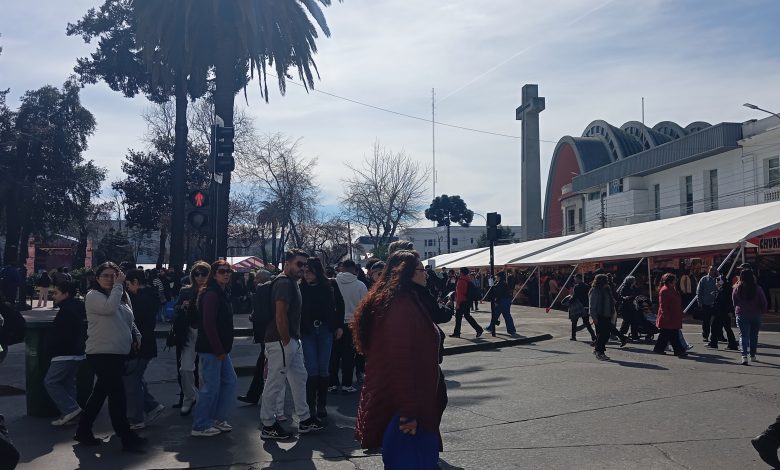
Begin around Plaza de Armas and the cathedral. Chile Travel identifies the city with modern architecture after the 1939 earthquake. Look at the buildings as part of that urban story, and treat the cathedral as an active religious place. Check visitor access, keep worship separate from sightseeing and ask before photographing inside.
Continue to the covered municipal market, where agricultural produce, crafts and prepared food give the visit a different rhythm. Longaniza is a local speciality, but choose a meal you actually want rather than treating one dish as compulsory. Ask about ingredients, portion size and the total price before ordering, especially if you have dietary restrictions.
Leave time to browse a few craft stalls. Ask who made an item, where it was produced and how fragile pieces will be packed. Permission to photograph a display does not mean permission to photograph its seller. If you plan to carry food across a border, check the destination country’s rules instead of relying on a shopkeeper’s reassurance.
Day two: music and a slower city route
Make the Museo Claudio Arrau León your main cultural visit. Dedicated to the pianist’s life and artistic career, it gives the city a clear musical connection. Read the current visitor information for access and language needs; do not assume every display is translated or a concert comes with ordinary entry.
After lunch, choose another architectural stop or a cultural programme that matches your interests. Check the actual event listing rather than assuming a venue has a performance every evening. Two well-chosen visits with time for conversation and a café make a better second day than racing between closed doors.
Train, bus or car?
EFE’s Santiago–Chillán service information is the starting point for rail planning. Search your exact date for the available departure, arrival station, fare conditions and baggage rules. Allow for the journey to Santiago’s station and the final transfer in Chillán. An advertised rail time is only one part of the door-to-door trip.
A car adds flexibility for rural visits but is unnecessary merely to connect central sights. For an excursion, confirm the complete return arrangement, pickup point and weather cancellation terms. Do not combine a rushed rural outing with a tightly timed onward train. For buses, check the operator and terminal printed on your ticket.
Where to stay and what to reserve first
A central room suits this itinerary if the exact walking route, evening food options and station connection work for you. Ask about reception hours, luggage storage, stairs, noise and heating or cooling. A hotel advertised for the wider region may leave you with repeated transfers.
Reserve your intercity transport and accommodation, then any date-specific cultural experience. Keep ordinary market time flexible. Read current safety advice, avoid demonstrations and protect belongings at transport hubs. Check regional warnings separately before extending the trip beyond the city.
Next step
Use our Chile planning guide and compare a different southern city in Valdivia. The South America hub helps frame a longer journey. Choose two full city days, verify museum opening and your intercity connection, then add a rural day only if you have a workable return plan.
Photo: Gleek19 / Wikimedia Commons, CC BY-SA 3.0. Photographed 21 August 2026; WordPress-generated scaled display copy.


One Comment