Valdivia in 3 Days: Rivers, Markets and Coastal Forts
Valdivia is a southern Chile city shaped by rivers, rain, forests and the Pacific coast. It suits travellers who want local food, waterside walks and history without building a trip around a single landmark. Three days allows a compact city stay plus one coastal excursion, provided you keep the weather plan flexible.
| Decision | Practical choice |
|---|---|
| Recommended stay | Three full days |
| Best base | City centre for markets and riverfront; Isla Teja for greenery and university atmosphere |
| Weather strategy | Carry a waterproof layer in every season and keep one indoor alternative |
| Booking priority | Accommodation, coastal transport and any limited guided nature trip |
When to visit Valdivia
Chile’s official tourism site identifies September to February as a useful period for visiting Valdivia, while warning that southern weather is unpredictable. Summer generally gives more daylight for river and coast plans, but it is not a promise of dry weather. Spring and early autumn can suit travellers who value a quieter atmosphere and accept a greater need for backup plans. Check a reliable local forecast shortly before each outdoor day. Daylight, rainfall and seasonal service levels affect what fits comfortably, so treat the itinerary as a sequence of choices rather than a rigid timetable.
A practical three-day Valdivia itinerary
Day 1: Riverfront, market and city history
Start at the riverfront and Mercado Fluvial, where the relationship between the city and its waterways is immediately visible. Visit respectfully: the market is a working place, not a staged attraction. Continue through the central streets and choose one museum or historical site rather than trying to cover every institution before lunch.
Use the afternoon for a river walk or a boat trip only after checking the weather and current operator information. If rain intensifies, move the cultural visit to this period and return to the waterfront later. Finish with a locally brewed drink or regional meal, but select businesses by current opening information and your own dietary needs rather than an old “must-eat” list.
Day 2: Isla Teja and the city’s greener side
Cross to Isla Teja for gardens, museums and a calmer pace. The university area and surrounding green spaces make a useful contrast to the commercial centre. Choose an indoor museum plus one outdoor walk so the day can be rearranged quickly when showers arrive.
Travellers interested in wetlands or native forest can investigate a guided nature outing, but should verify transport, trail conditions and conservation rules first. Do not assume every reserve is easily reached by public transport. A guide can add value when wildlife, navigation or weather makes an independent visit uncertain.
Day 3: Niebla and the coastal forts
Make the third day a coast-and-history excursion to Niebla, with Corral as an optional extension when connections and conditions align. The fort system explains Valdivia’s strategic importance and gives the trip a strong sense of landscape. Confirm museum opening, ferry or boat operation and the return journey on the day itself.
Keep the itinerary conservative. A delayed connection can turn a neat multi-stop plan into a rushed return. If coastal weather is poor, stay in Valdivia for another museum, café and riverfront circuit rather than forcing a boat journey.
Where to stay
- City centre: practical for the river market, restaurants and short urban walks.
- Isla Teja: greener and quieter, with convenient access to cultural institutions; check the walking distance to your priorities.
- Near a main transport corridor: useful for an early airport or bus departure, though less atmospheric for evening exploration.
Getting there and around
Pichoy Airport is outside the city. The official Chile Travel Valdivia guide advises using a transfer, taxi or bus connection; verify availability against your flight rather than expecting a city-frequency service. Long-distance buses connect Valdivia with other Chilean cities. Within the centre, many stops are walkable, while local buses, taxis and organised transfers help with outlying areas.
Booking priorities and common mistakes
- Pack for rain even when the forecast looks favourable.
- Do not schedule a coastal boat and an onward long-distance departure too closely.
- Confirm opening days for museums and forts, especially outside summer.
- Allow more time than the map suggests for multi-stage coastal transport.
- Never feed or approach sea lions and other wildlife along the riverfront.
Continue planning
Place Valdivia in a wider route with our Chile travel guide or compare the landscapes in the Patagonia guide. If riverfront heritage and food are your main interests, compare the tropical setting in our Paramaribo three-day itinerary. Paramaribo is an alternative city break in Suriname, not a nearby extension to Valdivia.
Your next step: choose a southern Chile route or another South American city stay, then browse the South America travel hub. Read our editorial approach to see how current sources and practical recommendations are separated.
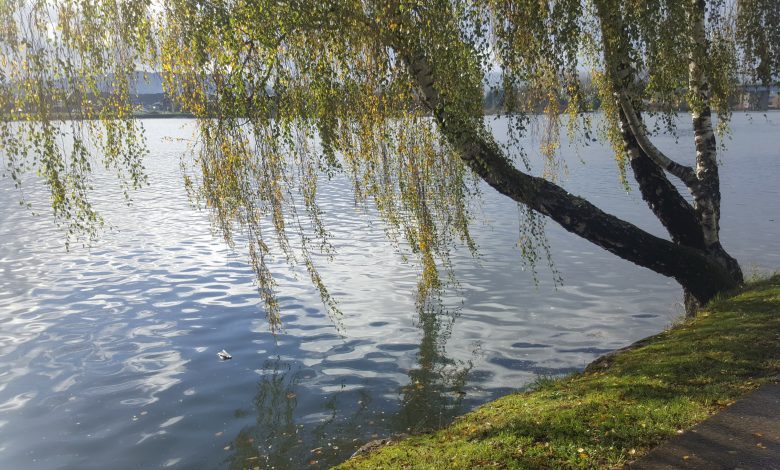
Featured image: “Río Calle Calle, Valdivia” by Susana Garcia Leygonier, via Wikimedia Commons, licensed under CC BY-SA 4.0.