Luang Prabang in 3 Days: Temples, Rivers and Practical Planning
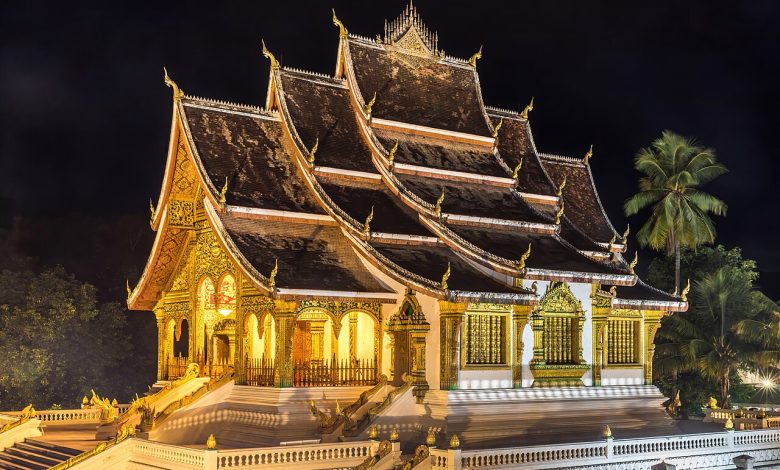
Three days in Luang Prabang is enough for a calm introduction to the old town, river scenery, temples and one countryside excursion. The town rewards early starts and short walking loops more than a packed schedule. Plan around respectful temple visits, hot afternoons and the possibility that river or road conditions may change.
Quick planning answer
Stay in or near the historic centre so you can walk to the Mekong, Nam Khan River, markets and major temples. Use Day 1 for the old town, Day 2 for a waterfall or river excursion, and Day 3 for museums, craft villages or a slower café-and-market route. Luang Prabang International Airport is an international gateway, but flight schedules change, so verify current connections before committing to a tight onward itinerary.
Day 1: Old town, temples and the rivers
Start early with a quiet walk through the historic centre, then visit Wat Xieng Thong and nearby temples during appropriate visiting hours. Dress modestly, remove shoes where requested and avoid photographing worshippers without permission. Walk towards the Mekong for lunch and continue along the Nam Khan side in the afternoon. The night market is best approached as a browsing experience rather than a reason to rush dinner.
Day 2: Kuang Si Falls or a river day
Kuang Si Falls is the classic full-day choice, but leave early and confirm current road and access conditions. Bring footwear suitable for wet paths and do not assume every pool or trail is open. Alternatively, choose a Mekong boat outing or a village-and-craft route if you prefer a slower day. Longboat timing, river levels and weather can affect the experience, so confirm the return plan before departing.
Day 3: Culture, viewpoints and a flexible finish
Use the morning for the Royal Palace Museum or another heritage site, then climb Mount Phousi only if the heat and stairs suit you. Keep the afternoon flexible for cafés, textile workshops, a cooking class or a second temple walk. If your onward flight or train is early the next day, avoid a late excursion and arrange your transfer in advance.
Where to stay
The historic centre is convenient for walking and evening markets. The Mekong riverside offers atmosphere and easy sunset access, while the Nam Khan side is often quieter. Ask about stairs, air-conditioning, backup power and transfer arrangements before booking. A peaceful location just outside the centre can be worthwhile only if transport is reliable.
Responsible and practical travel
Luang Prabang is a living community, not a photo set. Keep voices low near temples, avoid touching religious objects, and buy crafts from transparent local businesses. Carry water, insect protection and small cash, but do not publish or rely on old prices. Check official tourism and transport information for current entry, health and route guidance.
Best time and booking priorities
Choose dates according to your tolerance for heat, rain and smoky-season conditions, and check current local guidance before booking. Reserve accommodation first, then airport transfers and any popular day trip. Leave a buffer before international departures because road conditions and transfers can take longer than expected.
Frequently asked questions
How many days do you need in Luang Prabang?
Three days is a good first visit. Add a fourth day for a slower pace, a river journey or more countryside time.
Can Kuang Si Falls be visited independently?
Often yes, but transport and access conditions vary. A confirmed transfer can be worthwhile if you want a predictable return.
Is Luang Prabang suitable for a short trip?
Yes. The compact historic centre makes it easier to enjoy a short stay without spending each day in transit.
Continue planning: explore our Asia travel guides and compare this route with our Vietnam guide when planning a wider Southeast Asia journey.
Sources checked: Tourism Laos and its Luang Prabang provincial guide. Confirm current transport, access and entry information before departure. Featured image: Haw Pha Bang photo by Basile Morin, Wikimedia Commons, CC BY-SA 4.0.