New Plymouth in 3 Days: Coastal Art, Walks and Taranaki Planning
New Plymouth in 3 Days
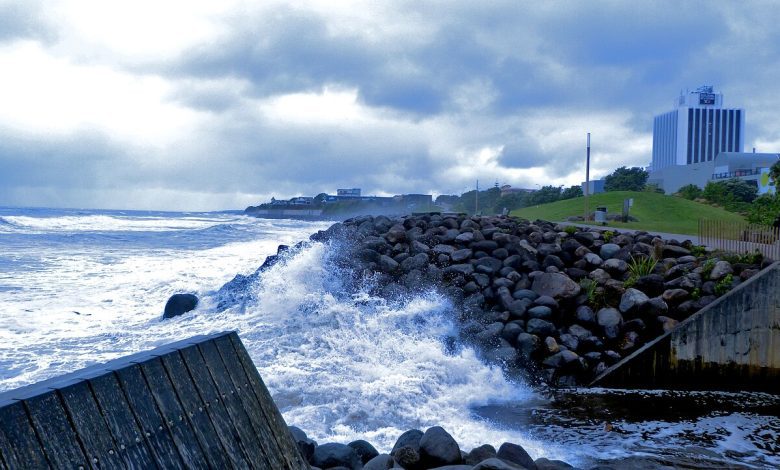
Featured photo: Gonzalo Baeza, Wikimedia Commons source, CC BY 3.0. Resized; the theme may crop it for display.
New Plymouth makes a useful North Island stop when art and coastal walking interest you as much as a famous mountain view. In Taranaki, galleries, gardens and the waterfront can fill three enjoyable days without making a summit climb the centrepiece. This research-based itinerary keeps outdoor plans flexible and gives the city’s cultural visits their own time.
New Plymouth at a glance
| Decision | Practical starting point |
|---|---|
| Time needed | Three full days; longer for substantial hiking. |
| Useful base | Central New Plymouth near dining and the waterfront. |
| Best fit | Contemporary art, gardens and manageable coastal outings. |
| Main constraint | Changeable weather and separate mountain logistics. |
See our New Zealand planning guide if New Plymouth is one stop on a longer North Island trip.
When to go
December to February offers summer conditions and longer daylight, but no season guarantees clear mountain views or calm seas. Spring and autumn can suit art, gardens and walking with appropriate layers. Winter calls for a slower mix of indoor visits and shorter outings. Pack a waterproof jacket and check the forecast each morning.
Look at the current regional event calendar before choosing accommodation. A festival or exhibition can shape your dates, while garden and gallery visits may work well without one. Compare actual room quotes rather than assuming every off-season night is cheaper.
A flexible three-day itinerary
Day 1: The waterfront at your own pace
Start on the Coastal Walkway by Puke Ariki. For a short outing, head towards the Wind Wand and turn back when you are ready for lunch. For a longer walk, pick a separate start near Te Rewa Rewa Bridge so you can spend your time at that end of the path. Arrange your ride before leaving if your hotel is far from the bridge.
For example, if strong winds make the waterfront uncomfortable on your first morning, visit the gallery or museum if open and save the bridge for the next clear day. Keep clear of exposed edges in rough conditions and leave room for cyclists on the shared path.
Day 2: Contemporary art and the city centre
Visit the Govett-Brewster Art Gallery/Len Lye Centre, checking current exhibitions and admission arrangements first. Let the art take more of your attention than a quick exterior photograph. Installation schedules and individual work presentations can vary; do not assume a particular kinetic work will operate throughout your visit.
Leave lunch unhurried, then investigate the nearby Puke Ariki museum and visitor information facilities. This is a useful day to ask about current walks, weather and regional transport. Swap it with the waterfront day if rain or strong winds arrive.
Day 3: Gardens, or a separately planned regional outing
Pukekura Park offers a central garden visit with room for a slower morning. Choose paths that suit your group and ask about access if steps or gradients are a concern. You can return to a favourite café afterwards rather than add a distant attraction.
A mountain-area visit needs its own route, transport and conditions check. Do not turn this city itinerary into an improvised summit attempt. Taranaki Maunga is significant to Taranaki Māori; follow local guidance and respect the place as more than a photograph.
Taranaki Maunga: a current planning constraint
The Department of Conservation’s summit guidance describes a demanding alpine climb. May-to-December conditions require mountaineering skills and equipment. Check DOC’s current North Egmont access and parking alerts before driving up, and ask about suitable lower-level options; clear city weather does not describe mountain conditions.
Getting there, accommodation and bookings
Use Taranaki’s access information to compare domestic flights and road travel, then confirm your actual service with the operator. Arrange the airport-to-hotel transfer separately. Driving may help with regional outings, but a central art-and-walking stay does not need a car for every journey.
Book your base first, checking dining access, parking if needed and room quietness. Reserve any guided outing after reviewing its weather policy. Build a budget from your transport, accommodation and chosen admissions rather than a made-up daily allowance. Do not use the walkway as permission to swim: check local water conditions and lifeguard advice separately.
New Plymouth trip checklist
- Step 1. Choose a central base. Map the walk from your room to the waterfront and dinner. Arrange airport transport separately.
- Step 2. Check exhibition and museum dates. Pick the art visit you care about most and save Puke Ariki as another indoor option.
- Step 3. Pick a Coastal Walkway turnaround. Save the route and check wind and local notices before you leave.
- Step 4. Decide whether to leave town. Check DOC alerts and NZTA road updates. Keep Pukekura Park in reserve if access or mountain weather changes.
Frequently asked questions
Do I need a car for this itinerary?
No for the central waterfront, galleries and gardens if you can walk between stops. Plan a separate ride for the bridge or a regional outing if needed.
What if I cannot see Taranaki Maunga?
Keep the day in town. Pair the Len Lye Centre with Puke Ariki or a short walk if the rain eases. Move the mountain outing only if conditions and transport improve.
Continue planning
For another culture-and-coast city, compare our Dunedin itinerary; it requires separate South Island travel. The Auckland guide is useful when planning a gateway stay.
Your next step: pick your three city days and a weather alternative, then explore the Oceania destination hub for your next stop.