Three days in Paris are enough for a memorable first visit if you give each day a clear focus. You can see the Eiffel Tower, spend time at the Louvre, explore Montmartre and enjoy the Seine without filling every hour with another reservation.
This Paris three-day itinerary is designed for three full sightseeing days, with arrival and departure arranged separately. Move the days around to match ticket availability, opening days and the weather.
Your Three Days at a Glance
| Day | Morning | Afternoon | Evening |
|---|---|---|---|
| 1 | Eiffel Tower and river views | Lunch and a relaxed walk around the tower area | Optional Seine sightseeing cruise |
| 2 | A focused Louvre visit | Tuileries break, then Île de la Cité | Dinner in the Latin Quarter |
| 3 | Montmartre and Sacré-Cœur | More time in Montmartre or an optional Marais visit | A leisurely final dinner |
Before booking anything, choose the attractions that matter most to you. If the Eiffel Tower summit or a particular museum collection is essential, build the itinerary around that reservation.
Day 1: The Eiffel Tower and the Seine
Start with the landmark you have probably pictured most often. Give yourself time to enjoy the Eiffel Tower from ground level before entering; arriving at the last minute can turn a much-anticipated visit into a rush.
Choose your ticket carefully. Second-floor access and summit access are different options, and the route may involve lifts, stairs or a combination. Check exactly what is included before paying. The tower’s official website lists the available ticket types and current opening times. Eiffel Tower visitor information
After the visit, leave space for lunch and a walk around the surrounding area. We recommend keeping this afternoon flexible instead of adding another major attraction with a fixed entry time. It gives you room for queues, photographs and a proper break.
Should You Take a Seine Cruise?
A sightseeing cruise can be a pleasant way to finish the day, particularly if you would like a seated break after walking. Choose the experience around your interests: commentary and river views, or a longer evening with dinner.
Before reserving, compare:
- The exact departure pier and boarding instructions.
- Whether the ticket is for a fixed departure or an open time window.
- The cruise duration and commentary language.
- Whether food or drinks are included.
- Cancellation and weather-related arrangements.
Pick a departure you can reach comfortably from your afternoon location. Different cruise products may use different piers, so do not assume every boat leaves from the Eiffel Tower area.
Day 2: The Louvre and the Historic Centre
Make the Louvre your main activity for the morning. A successful visit starts with a short list: choose the artworks or collections you most want to see, then allow time to enjoy them.
Trying to cover the whole museum in one visit is likely to leave you tired before the afternoon begins. Our recommendation is to plan a focused visit and stop while you still have energy for the city outside.
The Louvre is closed on Tuesdays. Its official visitor guidance recommends reserving a time slot, including for visitors eligible for free admission. Check the current gallery-closure information if you are travelling for a particular collection. Louvre opening and booking information
Leave Room for a Slower Afternoon
After the museum, take a break around the Tuileries before continuing towards Île de la Cité. Use transport for part of the journey if you would rather save your walking for the island and surrounding streets.
See Notre-Dame from the exterior and enjoy the riverside setting. If you want to enter the cathedral, check its current visitor arrangements before adding an interior visit to the day.
For dinner, continue into the Latin Quarter. Choose somewhere that suits your appetite and budget rather than trying to fit in another attraction. A relaxed meal is a useful counterbalance to a museum-heavy morning.
If you love art and want longer at the Louvre, let it take more of the day. You can shorten the afternoon walk without losing the shape of the itinerary.
Day 3: Montmartre, Small Streets and Time to Explore
Spend the morning in Montmartre. Sacré-Cœur and Place du Tertre are natural starting points, but leave time for the surrounding streets as well. Paris’s tourist office highlights both landmarks and the neighbourhood’s smaller streets as part of exploring the area. Montmartre area guide
Montmartre involves slopes and steps, so plan the approach around your mobility and energy. The funicular is an option for part of the ascent; check the route from your chosen station rather than relying only on a short distance shown on a map.
Pause for coffee, browse at your own pace and avoid making the morning a race between photo stops.
Choose Your Final Afternoon
You have two good options:
- Stay in Montmartre: the simplest choice if you want a slower day, more time for lunch or fewer journeys.
- Travel to the Marais: a separate outing for visitors who would enjoy another neighbourhood, with time around Place des Vosges and nearby streets.
Treat the Marais as an optional addition, not a requirement. Allow for the journey between areas and keep your final dinner reservation convenient for where you expect to finish.
Where to Stay for This Itinerary
Start your hotel search with the journeys you will make each day. For this route, we suggest comparing properties around the Louvre and Opéra, the Latin Quarter and Saint-Germain, or the Marais.
These are starting points for a search, not a ranking of individual hotels. The exact address matters more than the neighbourhood label.
Before reserving, check:
- The walk from the hotel to a useful station.
- Room size and bed configuration.
- Lift access and entrance steps.
- Recent comments about noise.
- Breakfast, taxes and cancellation conditions.
A hotel beside one famous monument will not necessarily be the most convenient base for all three days.
What to Book Ahead
Prioritise your Eiffel Tower visit and Louvre time slot. Add a cruise or a particular restaurant once the main sightseeing plan is settled.
Keep ordinary café stops, neighbourhood walks and shopping flexible. This gives you space to respond to the weather, spend longer somewhere you enjoy or take a break.
For a family trip, shorten the museum visit and protect time for meals and rest. If you are travelling with someone who has limited mobility, check the actual entrances and transport connections for each day before finalising reservations.
Common Questions About Three Days in Paris
Is Three Days Enough?
It is enough for a first look at major landmarks and a few neighbourhoods. It is not enough to explore every museum or add several day trips without making the schedule much busier.
Can I Add Versailles or Disneyland Paris?
For this itinerary, our recommendation is to give either excursion its own day. With only three days available, replace one of the city days or extend the trip.
How Can I Keep Costs Under Control?
Choose the paid experiences that matter most to you and balance them with walks, gardens and neighbourhood time. Compare the full cost of a hotel and its location, not just the first nightly rate displayed.
Check official ticket prices and eligibility rules for your travel dates before purchasing a sightseeing pass. A pass only offers value if it covers the places you actually plan to visit.
For more ideas on food, culture and neighbourhoods, continue with our Paris travel guide.
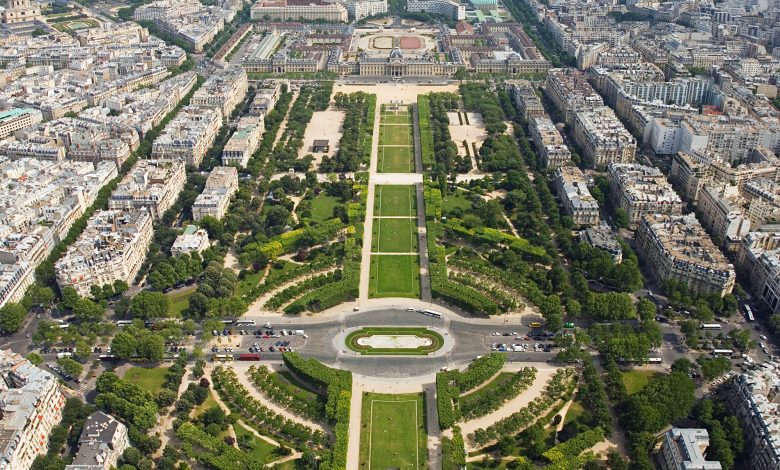
Featured photograph: Champ de Mars from the Eiffel Tower (July 2006), by Diliff, edited by Fir0002. Licensed under CC BY 2.5. Resized for display; archive thumbnails may be cropped.