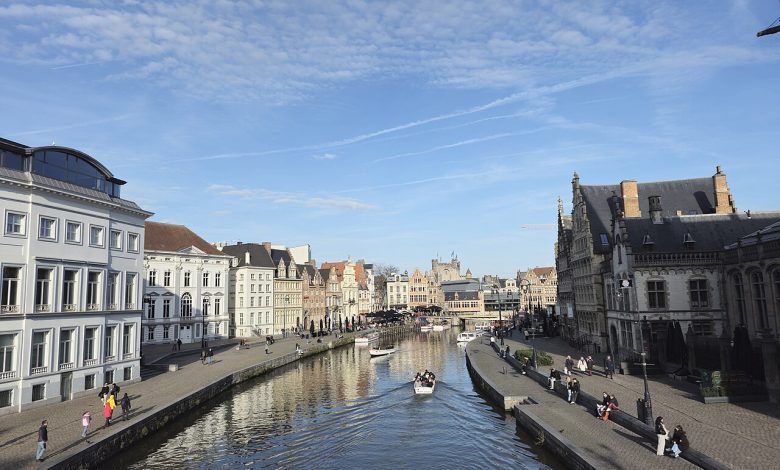
Ghent is a strong choice for a Belgium city break when you want medieval streets and canals alongside everyday student-city life, independent food and museums. Three days is enough to explore the historic centre at a measured pace and add a museum or neighbourhood walk. The key is to keep most visits walkable, then use trams or buses for the arrival station and places beyond the centre.
At a glance
- Allow: two full days for the historic core; three for museums and a slower pace.
- Stay: in or near the historic centre for walking, or by Gent-Sint-Pieters if rail connections are the priority.
- Getting around: walk the central area; check current De Lijn tram and bus routes for longer hops.
- Book first: accommodation and any must-see museum or guided visit; check opening days directly.
When to go and how long to stay
Ghent works throughout the year, but the experience changes with daylight, weather and the local events calendar. For a first visit, choose dates around the experiences you care about rather than assuming one “perfect” month. Check the city’s current calendar if you want a festival, and book accommodation early for event weekends. If rain is forecast, shift the outdoor canal walk around a museum visit instead of treating the day as lost.
Two nights can cover the central landmarks, but three nights gives you room for a museum, a longer meal and a less hurried evening. If your trip is part of a rail itinerary, avoid stacking Ghent, Bruges and Brussels into one day: moving between cities is simple, but each deserves time on foot.
A practical three-day itinerary
Day 1: historic centre on foot
Start around the old harbour quays of Graslei and Korenlei, then follow the streets toward Saint Bavo’s Cathedral and the surrounding squares. Cross the river at an unhurried pace and look for quieter lanes away from the busiest photo stops. Choose one interior visit rather than trying to enter every landmark. Finish with a walk along the water after the day-trip crowds thin, checking current access and any event closures before you set out.
Day 2: choose a museum, then explore a neighbourhood
Pick a museum to match your interests: the official tourism board lists art, design and city-history options, including STAM. Check the museum’s own current opening information before planning around it. Afterward, have a relaxed lunch and explore beyond the central postcard circuit. Let the walk itself be the activity; Ghent rewards pauses in bookshops, cafés and small squares more than a race between landmarks.
Day 3: a flexible local day
Use the final day for a market or independent food stop, a second cultural visit, or a short tram ride to an area you did not reach on foot. If you prefer an organised perspective, book a local guide whose route matches your interests. Keep the afternoon open for a canal-side break or a return to a favourite street rather than adding a distant excursion without checking total door-to-door time.
Where to stay
Historic centre: best for first-time visitors who want to walk to the main sights and return easily between stops. Check evening noise and whether your lodging is inside a low-traffic zone if arriving by car.
Near Gent-Sint-Pieters: practical if you arrive by train with luggage or are making early rail connections. Visit Gent explains the options for continuing from the station; compare the tram ride with the price and location of a central stay.
Before reserving, check the exact address, luggage access, breakfast arrangements and cancellation policy. A beautiful listing may sit up stairs or on a quiet lane with limited late-night services, so read the property details rather than relying on a neighbourhood name alone.
Transport and booking priorities
Ghent’s official tourism office describes the centre as car-free and suited to walking and cycling. For longer journeys, its transport guidance covers buses and trams; check the live operator information for routes, disruptions and tickets on your travel dates. If you arrive at Gent-Sint-Pieters, confirm the station exit and onward route before boarding. Buying a CityCard may be useful if your itinerary includes several participating museums and public transport, but compare its current inclusions with the visits you will actually make.
Reserve only what needs advance planning: accommodation, a specific tour or any timed-entry experience you consider essential. Leave meal choices flexible, and verify seasonal museum hours directly. Do not drive into the centre without checking local access rules, parking and any low-emission requirements.
Common planning mistakes
- Trying to visit Ghent, Bruges and Brussels as one compressed day trip.
- Assuming every museum or historic interior follows the same weekly opening pattern.
- Booking a car-based hotel without checking centre access and parking.
- Planning every hour outdoors without a rain-friendly alternative.
Continue planning: compare this walkable Belgian stay with our Copenhagen guide or three-day Bratislava itinerary, then browse the Europe travel hub to choose another stop.
Featured photo: Daniuu, “Graslei Korenlei”, licensed under CC BY-SA 4.0; hosted in the World Trip Advisor media library.
Official planning links: Visit Gent: getting around, arriving by train, Ghent museums and CityCard terms. Transport, event schedules, museum access and card inclusions can change; reconfirm before travelling.