Matsue in 3 Days: Castle-Town Tea, Canals and Lake Shinji
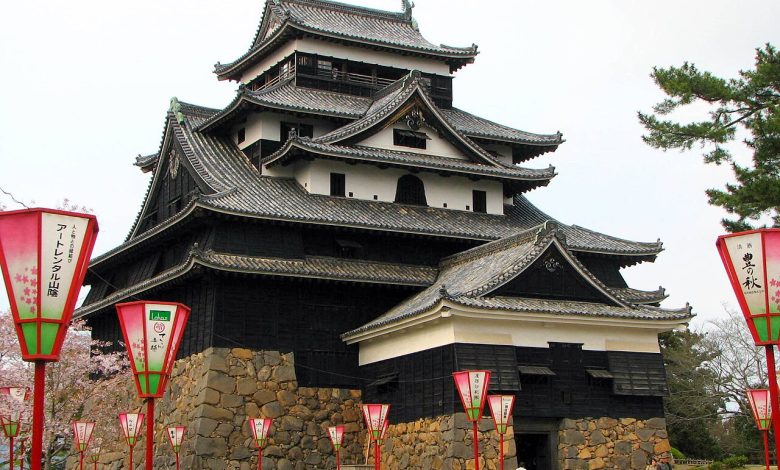
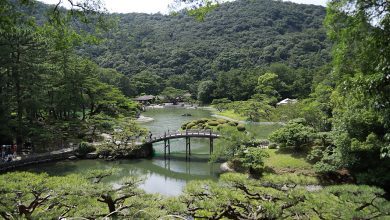
Featured photo: Bernard Gagnon, Wikimedia Commons source, CC BY-SA 3.0. Resized; the theme may crop it for display.
Matsue is a good choice when you want a Japan trip shaped by one city’s daily life. In Shimane Prefecture, castle views, matcha and wagashi sweets sit alongside canals and Lake Shinji. Allow three full days to enjoy these connections instead of treating the city as a quick photograph between trains. This research-based itinerary leaves room for tea, changing weather and an unhurried lunch.
Matsue at a glance
| Decision | Suggested choice |
|---|---|
| Time needed | Three full days; two if you omit an outer-city visit. |
| Best fit | Castle history, tea culture and waterside walks. |
| Convenient base | Near JR Matsue Station or the castle district. |
| Planning priority | Regional arrival connections and your preferred tea experience. |
Why choose this angle now?
Booking.com’s April 2026 research points to interest in exploring beyond headline destinations and spending with independent businesses. This is a global survey signal, not evidence that Matsue is suddenly booming. Its practical relevance is simpler: choose a regional stay where local culture forms the itinerary. Our Japan travel hub helps you compare that choice with a wider route.
When to visit
Spring or autumn is a sensible starting point for walking and sightseeing. Check actual forecasts and holiday dates before booking; blossom and foliage timing varies. Summer can bring heat and humidity, while winter needs warmer clothing and transport flexibility. Rain or strong weather can affect boat outings, so keep indoor visits available.
For approaching storms and other hazards, follow current Japan travel guidance and local warnings. Do not make a sunset or seasonal event the only reason for a short stay.
A three-day Matsue itinerary
Day 1: Castle views and a proper tea pause
Begin with Matsue Castle’s visitor information, checking access and admission before your visit. Decide whether the keep suits your mobility; historic interiors should not be assumed step-free. Give the surrounding streets time rather than immediately moving to another district.
Then try matcha with wagashi. Shimane’s official tea-culture guide explains the legacy associated with Lord Fumai and the local confectionery tradition. A café tasting and a formal tea lesson are different experiences: book the latter if instruction is what you want. Ask about ingredients, language and seating arrangements.
Day 2: Horikawa waterways and Lake Shinji
A Horikawa sightseeing boat offers another perspective on the castle’s moats. Check departures, boarding arrangements and weather on the day. Ask about getting into the boat and low bridges if mobility or headroom matters. Pair the outing with a nearby historical visit, keeping lunch flexible.
Later, walk a suitable stretch beside Lake Shinji. Sunset can be lovely when conditions cooperate, but cloudy evenings are part of the trip too. Choose a comfortable return route and dinner location before it gets dark.
Day 3: Choose depth or an extension
Stay in town for another museum, tea shop and neighbourhood walk, or investigate a separate excursion towards Izumo. Check the full outward and return journey before committing; shrine visits and travel time can occupy the day. Do not add both that excursion and several central attractions just because the map looks compact.
Getting there and choosing a base
The JR West Yakumo guide identifies the route via Okayama and the Yakumo limited express. Confirm current departures, reservations and pass conditions with JR West rather than copy older journey times. Domestic flights via nearby airports are another option; compare the onward transfer as well as the flight itself.
Near JR Matsue Station, arrivals and onward rail travel are simpler. The castle area puts history closer, while a lakeside stay may suit slower evenings. JR Matsue and Matsue Shinjiko Onsen are separate stations. Use the local transport guide to check buses and connections. A rental car is optional for this central itinerary, not an automatic requirement.
Bookings and common mistakes
Reserve accommodation, your arrival connection and any formal cultural experience first. Budget separately for admissions, transport and meals; no fixed daily total fits every traveller. Carry your hotel address in Japanese and prepare dietary requests in writing. Avoid assuming every small business offers English service or accepts the same payment methods.
For another culture-led regional choice, compare our Kanazawa itinerary. If Kyoto is also on your route, use the Kyoto guide to plan it separately rather than squeeze both cities into one day.
Your next step: choose your Matsue base and tea experience, then browse the Asia destination hub for an onward stay.
Sources checked on 6 October 2026. This itinerary reflects editorial planning suggestions, not a claim of personal travel experience.

One Comment