Napier Travel Guide: Art Deco, Ahuriri and Hawke’s Bay
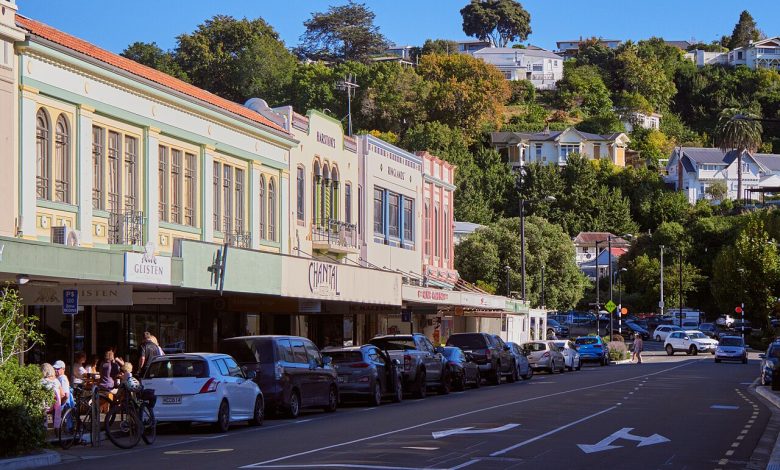
Napier’s buildings make more sense when you start with what happened here in 1931. Give the earthquake and the rebuild their own morning; the façades you pass at lunch then have a story behind them. Use another day for the waterfront around Ahuriri and give yourself one choice beyond town. A winery, a cycle ride and a long lunch are all good reasons to visit Hawke’s Bay. They become less enjoyable when you try to do all three before a fixed departure.
Napier at a glance
| If you want | Plan for |
|---|---|
| Architecture on foot | Stay in central Napier and use the museum and city walk as your first-day anchors. |
| A quieter waterfront base | Choose Ahuriri if the foreshore matters more than walking to the city centre. |
| Wine country | Keep one outing separate from your departure day and arrange a return ride before tasting. |
Before you book
- Check whether the earthquake exhibition or guided walk is available on your dates.
- For a coastal cycle ride, confirm where the bike goes back and choose a shorter route if wind is forecast.
- Decide how you will reach dinner from your accommodation before committing to an out-of-town base.
When to go and how many days to keep
Consider late spring or early autumn if the main plan is to walk and sit outdoors. Summer offers longer evenings but can be hot, and weather can disrupt walking or cycling at any time. A festival stay is a different proposition from a quiet architecture trip: check the official programme before buying flights or a room. Three nights are useful if you want the town, Ahuriri and an outing that requires a ride. Two nights work if the architecture is the priority and you stay central. Check actual weather warnings and event access close to the date.
Suggested itinerary
Day 1: Begin with the rebuild
Visit MTG Hawke’s Bay and check its calendar for the earthquake exhibition and other local stories. This is a good first indoor stop even on a bright day. Afterwards, take the official Art Deco city walk or reserve a guided version if you want more explanation. Look up at lettering, corners and windows rather than focusing only on the photograph at street level. Some of the buildings are workplaces or shops. Treat them as such and check before entering or taking pictures indoors.
Leave part of the afternoon for Marine Parade and dinner near the centre. You need not walk the entire promenade to see how the town meets the sea. Turn back when the wind becomes uncomfortable, then spend longer over a meal instead of crossing the city for one more building.
Day 2: Ahuriri by bus, on foot or by bike
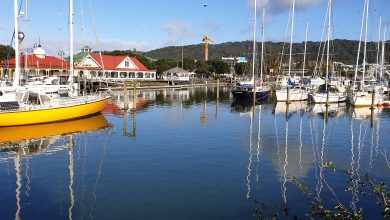
Choose Ahuriri for a separate waterfront day. Use the local bus planner or arrange a ride if the outward and return routes do not fit. The Hawke’s Bay Trails Water Ride description gives a sense of how the port, foreshore and Marine Parade connect. Pick only the section that matches your riding experience and wind conditions. If renting, confirm helmet, lights, return location and what help is available if a bike breaks down.
If you would rather walk, pick a single foreshore stretch and have lunch nearby. Do not assume the coast is safe for casual swimming. Learn the local evacuation route before spending time by the shore; New Zealand’s Civil Defence tsunami guidance explains when to move away from the coast and follow official instructions. An indoor visit back in town makes a reasonable substitute when the weather rules out the shore.
Day 3: Wine country or more time close to town
Choose a named winery or a local food outing if this is the part of the region you want to understand. Confirm tasting availability and a return ride before paying, and plan for a designated driver or booked transport if anyone is tasting. If you are leaving that day, pick a shorter local visit and eat in town. For a non-drinking visit, choose a maker, gallery or section of a cycling route rather than assuming every organised outing has the same focus.
Where to sleep and what to reserve first
- Festival weekend: Check street closures and hotel access before choosing a room or parking space.
- Wine outing: Agree on pickup, the last tasting and the return before reserving individual stops.
- Early departure: Put your last meal and any luggage pickup close to your transfer point.
Stay in central Napier for the architecture, museum and meals on foot. Choose Ahuriri if the foreshore is the main draw and you have checked access to the city. If flying, verify your airport transfer and the exact hotel address; if arriving by intercity coach, confirm the stop before making a tight connection. Ask about noise and parking during an event. Save the museum opening information and book any special walk or transport after the room and arrival are settled.
Before locking in a cycling day, look at the out-and-back route and ask how exposed the last section is. Use the sheltered part first if the wind is marginal, and plan where you can end the ride early. It is easier to add distance when conditions are good than to arrange an unexpected pickup later.
Your next step: choose a base for the evenings you want, then reserve just one paid regional experience. Compare a more inland New Zealand stop in our Palmerston North museum and river guide, a northern harbour stay in our Whangārei guide, or browse the Oceania hub for onward ideas.
For a guided architecture walk, ask whether the route is entirely outdoors and where the group finishes. Choose a tour that leaves room to revisit one street in your own time, then plan the next activity from the actual finish point rather than the starting address.
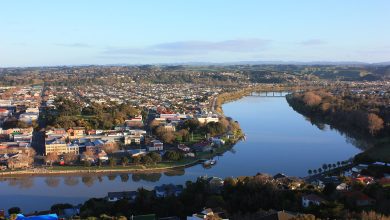
Featured photograph: Napier, Part V – Napier9444.jpg by lumoplank, Wikimedia Commons, CC0. Resized for web.