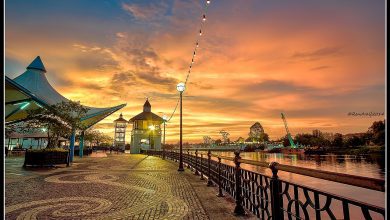
Sibu in 3 Days: Foochow Food, Markets and Sarawak River Life
Sibu is a good choice when eating, markets and living heritage matter more than a resort pool. This Sarawak river town rewards a few unhurried mornings: breakfast, a market circuit, a cultural stop and time beside the Rajang, also written Rejang. Three days gives you room for that rhythm without making an ambitious upriver expedition the price of enjoying the town.
Why make food the organising idea?
Tourism Malaysia’s Visit Malaysia 2026 launch emphasises cultural appreciation and gastronomy. That is a national campaign direction, not proof of a surge in Sibu bookings. The local fit is stronger evidence for this itinerary: Sarawak Tourism describes Sibu’s Foochow heritage, markets and distinctive food. Choose it for an interest you actually have, rather than because a trend report promises discovery.
When to visit and how many nights
Sibu is warm, humid and rainy throughout the year. The tourism board’s town guide flags heavier rain around November to February. Malaysia’s meteorological service places the northeast monsoon broadly in November to March. These are planning patterns, not a promise of dry weather outside those months. Check METMalaysia’s weather information before outdoor excursions.
Book three nights if you want two full days plus an arrival or departure block; add time for a separately arranged community visit. Travelling now in the wetter period favours a central base, flexible transport and cultural stops. Carry light rain protection, shoes with grip and a bag that keeps your phone dry. Do not schedule a river outing as the only possible highlight.
Day 1: Central Market and waterfront orientation
Begin at Sibu Central Market, where produce, everyday shopping and food provide context for the town. Go with curiosity rather than a camera-first checklist. Ask vendors before photographing them, buy something if you linger at a stall, and let breakfast determine the next stop. Confirm which food sections are operating rather than assuming every stall shares one timetable.
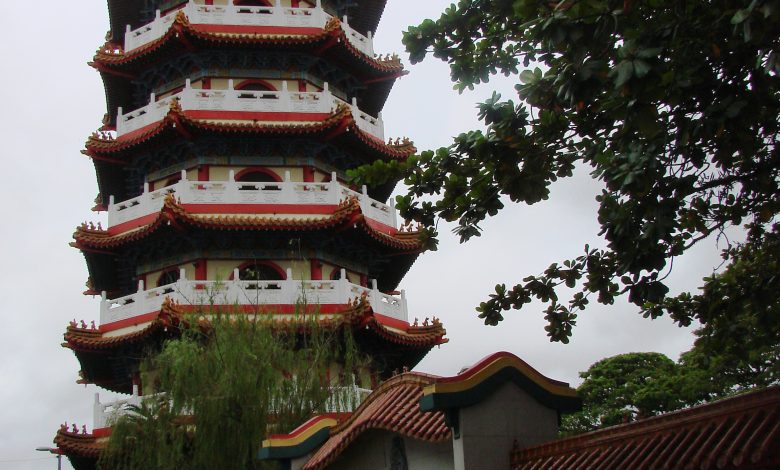
Continue towards the riverfront and Tua Pek Kong Temple, respecting worship and any access instructions. Keep the afternoon light, especially after a flight. Return to the esplanade when conditions are comfortable, then choose a proper meal rather than racing between several snack lists. The point is to learn a little about what you are eating.
Day 2: Foochow heritage and food
Use the Sibu Heritage Centre as a starting point, checking current opening arrangements locally. Then explore a manageable heritage route. Sarawak Tourism’s Sibu cultural overview explains Sungai Merah and the memorial sites associated with early Foochow settlement. Arrange transport for outlying stops instead of assuming the entire heritage story lies within one easy walk.
Make time for kompia, the local bun highlighted by the tourism board. Ask about fillings and ingredients, particularly if you avoid pork, have allergies or need halal preparation; a dish name alone does not establish how every kitchen makes it. Keep a short list of foods to try, with gaps for ordinary meals. Food-focused travel becomes tiring when every hour is another compulsory tasting.
Day 3: A guided visit or a second town day
If a longhouse or rural visit interests you, book through a reputable local operator and establish community permission, the actual programme, transport and return arrangements beforehand. Ask who hosts the visit and what etiquette or photography rules apply. A community is not an attraction you should enter unannounced, and no cultural activity should be treated as guaranteed without confirmation.
Otherwise, keep the day in Sibu: revisit the market, choose another heritage stop or spend longer over lunch. Avoid stacking a weather-dependent boat journey before an evening flight. For another food-led Southeast Asian city, compare our Hanoi itinerary when deciding the style of a future trip.
Getting there, staying central and budgeting
Sibu has its own airport; use the Sarawak transport ministry’s airport information for orientation, then check actual flights with the carrier. Arrange a confirmed airport-to-hotel transfer and clarify pickup and payment. Short central walks can be combined with trusted rides for more distant visits. Do not rely on an old blog’s upriver passenger-boat timetable.
Stay near the central market and riverfront if those are your daily priorities. Compare the exact street, noise, reception hours and return access after dinner. A cheaper room farther away can add repeated transport costs. Ask for total activity prices, including transfers and any guide charges, before comparing offers.
Checks before booking
Review current Malaysia advice, including region-specific information for any wider Borneo route. FCDO warns about overloaded or poorly maintained passenger boats: check life jackets and decline an unsuitable vessel. Follow local weather warnings and protect belongings in busy markets.
Your next step: choose two food mornings and one cultural priority, then ask your accommodation to confirm transport and current access. Use the Asia hub and our Luang Prabang guide to compare another river-city holiday without treating them as a simple same-day connection.
Sources checked 1 November 2026; reconfirm openings, fares and weather for your dates.
Photo: Michael Goodine, Tua Pek Kong Temple, Sibu, CC BY 2.0, via Wikimedia Commons. Resized/recompressed display copy; Commons version has adjusted contrast.