Sapporo 4-Day Itinerary: Food, Seasons and Otaru Day Trip
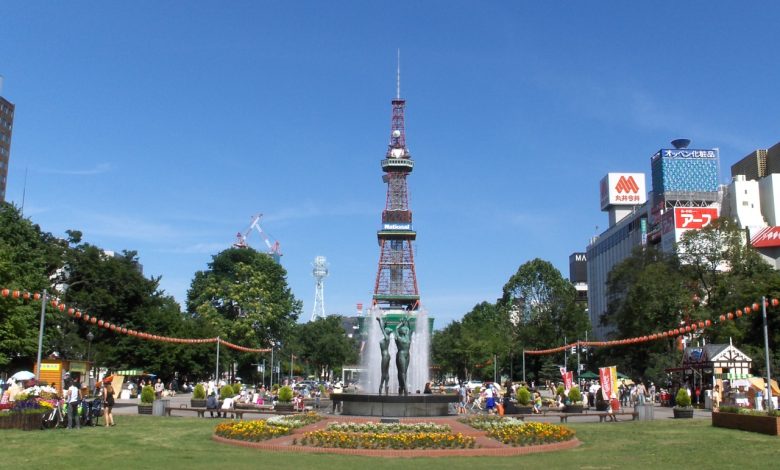
Sapporo 4-Day Itinerary: Food, Seasons and Otaru
This practical Sapporo 4-day itinerary combines the city centre, local food, one weather-dependent experience and an Otaru day trip without turning every day into a long transfer. Sapporo works in every season, but winter snow, summer walking conditions and festival demand change the order. Choose the seasonal outing first, then protect it with an indoor alternative.
Sapporo itinerary at a glance
| Day | Area | Main plan |
|---|---|---|
| 1 | Sapporo Station and Odori | City orientation, central sights and Susukino dinner |
| 2 | Market and city viewpoint | Food, one museum and Mount Moiwa if conditions permit |
| 3 | Seasonal Sapporo | Snow activity, guided walk, park or indoor alternative |
| 4 | Otaru or Sapporo buffer | Rail day trip or recovery day after disruption |
Stay near Sapporo Station for airport and day-trip connections, Odori for central walking, or Susukino when evening food matters most. Four days allow one flexible block; three days work if you remove the seasonal excursion or Otaru.
Day 1: Sapporo Station, Odori and Susukino
Use the central grid for orientation
Start around Sapporo Station and walk south through the underground or surface route toward Odori Park. Add the Clock Tower and former Hokkaido Government Office area only after checking current visitor access. Odori divides the centre and makes a useful reference point for later subway journeys.
Finish with food rather than another attraction
Continue through Tanukikoji toward Susukino and select one dinner priority: miso ramen, soup curry, jingisukan or seafood. Verify queues, reservations and allergy information directly. Sapporo’s food culture is better experienced through a proper meal than five rushed samples across distant districts.
Worked example: a winter visitor arriving before noon leaves luggage at a Sapporo Station hotel, uses the underground pedestrian route toward Odori, visits one central interior and returns to Susukino for an early reserved dinner. They do not schedule Mount Moiwa on the airport-transfer day.
Day 2: Market, museum and Mount Moiwa decision
Choose a reputable morning market and one collection
Visit Nijo Market or another established food market after checking its current trading hours. Then choose one museum or cultural attraction that matches your interest rather than crossing the city for several short visits. Market vendors and restaurants operate independently, so one listing does not guarantee every stall is open.
Use a weather test for the viewpoint
Mount Moiwa can be worthwhile when visibility and operations are suitable. Check the ropeway or access operator on the day, including last return, maintenance and weather notices. If conditions are poor, replace it with an indoor collection, café route or neighbourhood walk rather than forcing a paid viewpoint with no view.
- If snow or wind disrupts access: use the indoor alternative and move the viewpoint once.
- If the group has limited mobility: verify every lift, transfer and final walking section.
- If dinner is reserved: set a firm turnaround time before leaving the centre.
- If visibility is excellent: keep the afternoon light so the viewpoint is not rushed.
Day 3: Choose a seasonal experience safely
Winter requires footwear, layers and transport buffers
The official Visit Sapporo winter guidance recommends removable layers and anti-slip footwear because interiors are heated while streets can be icy. Use underground pedestrian routes when they improve safety, especially with luggage. Keep the airport-transfer day free of optional rural excursions.
Forest walks require wildlife and condition checks
The official Sapporo walking itinerary advises checking bear sightings and learning bear precautions before forest routes; it recommends guided hiking in the snowy season. A wooded hill near a subway stop is still wildlife habitat. Respect closures, carry appropriate footwear and confirm daylight and return transport.
In greener months, choose one park, short trail or viewpoint appropriate to conditions. In winter, consider a professionally arranged snow activity or a fully urban alternative. Do not improvise an unfamiliar snowy trail from a summer map.
Day 4: Otaru or a slower Sapporo day
Use the direct rail corridor but check the actual train
JR Hokkaido’s New Chitose–Sapporo–Otaru information shows direct services on parts of the corridor, but not every train from Sapporo continues to Otaru. Check the destination display, live timetable and return. In winter, allow for delays and avoid the final possible train when an evening reservation matters.
In Otaru, focus on the canal area, historic shopping streets and one meal. Do not assume that glass, music-box or museum businesses share the same closing day. If weather disrupts rail service, use Day 4 for a second Sapporo museum, café route or Shiroi Koibito Park after checking access.
Know the disruption alternative
JR Hokkaido’s disruption guidance tells passengers to check official operation information and consider buses or other routes. Alternative transport may become crowded and can also be suspended by weather. A fallback is not guaranteed transport; protect the flight with an earlier airport journey.
Where to stay, transport and seasonal timing
| Area | Best for | Trade-off |
|---|---|---|
| Sapporo Station | Airport, Otaru and onward rail | Less nightlife at the door |
| Odori | Central walking, parks and festivals | High demand during major events |
| Susukino | Restaurants and evening atmosphere | Noise and a longer station transfer |
| Jozankei | Hot-spring stay outside the centre | Not a substitute for a central city base |
Check the exact exit, luggage route, lift, room heating and cancellation conditions. IC cards are useful where accepted, but some longer Hokkaido journeys require separate tickets. Winter festivals and peak snow dates need earlier accommodation booking; spring and autumn events have narrower seasonal windows.
For another Japanese craft city, compare our Kanazawa guide. Continue with the Japan destination guide or Tokyo travel guide before adding a flight or long rail segment.
Sapporo booking checklist
- Step 1. Choose the seasonal experience that would be most disappointing to miss.
- Step 2. Book a base near the station, Odori or Susukino according to the evening plan.
- Step 3. Reserve festival accommodation, guided snow activities and essential restaurants early.
- Step 4. Identify one indoor replacement for every weather-dependent outing.
- Step 5. Check the live JR train destination and return for Otaru.
- Step 6. Protect the airport day with an earlier service and a disruption alternative.
- Step 7. Recheck weather, bear alerts, closures and transport 48 hours before travel.
- Carry: layers, weather protection, offline tickets and footwear suited to the season.
- Avoid: snowy forest walks without guidance, relying on the final train and adding an excursion after a flight.
- Allow: extra winter walking time, platform checks and a full meal without rushing.
Sapporo 4-day itinerary FAQ
Are four days enough for Sapporo?
Yes. Four days cover central Sapporo, food, one seasonal outing and Otaru while retaining a weather buffer.
Can I visit without a car?
Yes. Subway, tram, buses and JR trains cover this itinerary. A car becomes more useful only for multiple rural Hokkaido sites.
Is Otaru an easy day trip?
It is practical by JR train, but check the actual destination and winter operation. Not every service continues from Sapporo to Otaru.
Is Sapporo only a winter destination?
No. Summer and autumn suit parks, food and outdoor access. Winter adds snow experiences but requires footwear, buffers and disruption planning.
What should I book first?
Book accommodation during major festivals, then the defining seasonal activity and any restaurant that matters. Keep ordinary city walks flexible.
Last reviewed: 15 November 2026. Transport, weather, wildlife alerts and seasonal operations can change; verify official sources before travel. Featured image: Odori Park photo by Daigaku2051, Wikimedia Commons, CC BY-SA 3.0.
3 Comments