Gedi Ruins in Kenya: A Half-Day Trip from Watamu or Malindi
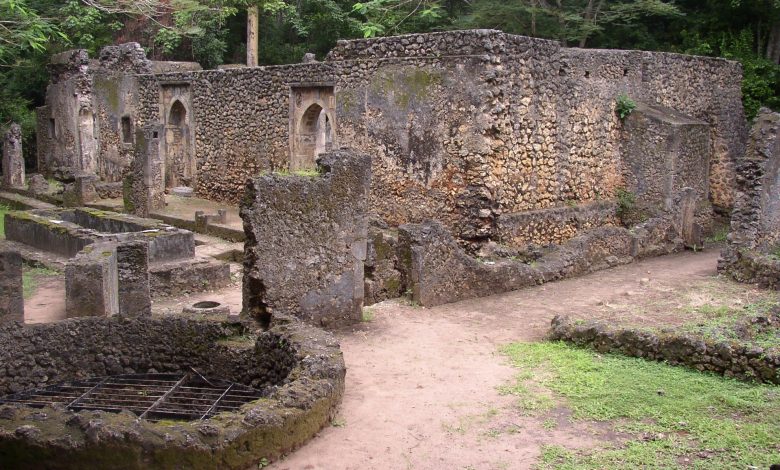
Give the Gedi Ruins half a day if you are staying in Watamu or Malindi. Start with the museum and the remains of the Swahili town, then return to your coastal base before adding a second outing. If you are coming from Mombasa, treat Gedi as part of an overnight trip unless you are happy to spend much of the day on the road.
UNESCO inscribed the Historic Town and Archaeological Site of Gedi in 2024. Kenya’s April 2026 tourism report documents broader tourism activity in 2025; it does not establish how many people visited Gedi. The reason to make time for this stop is the combination of an excavated Swahili town and the forest that now surrounds it.
Watamu or Malindi: which base makes sense?
Stay in Watamu if Gedi is one part of a beach holiday. It is easier to keep the ruin visit and a beach afternoon separate when you are based nearby. Ask your accommodation about the road pickup, the expected travel time and the cost of having a driver wait. If your hotel offers a return transfer, compare it with arranging both legs separately.
Use Malindi if your onward transport or other plans are based there. The National Museums of Kenya visitor information describes Gedi as a short road trip from Malindi. Save the museum entrance pin and tell the driver you want the archaeological site, since signs and listings use both Gedi and Gede. Arrange the return before being dropped off.
How to spend half a day at Gedi
Start at the museum and get your bearings
Check in at the entrance and ask which paths are open. A guide can help you recognize features you might otherwise walk past, such as the wells or the layout of houses and public spaces. Agree the cost and length before starting. If you go on your own, take a few minutes with the interpretation at the museum to place the ruins within the history of the East African coast.
Walk the town, then leave time to look closely
Allow time for the Great Mosque and the domestic buildings rather than taking a photograph at the first wall and moving on. Notice how the stone walls divide interior rooms from courtyards. Gedi was a town shaped by regional trade and Swahili culture, not simply an isolated set of monuments. Stick to the visitor route and do not climb on walls or dislodge anything from the site.
Keep the afternoon flexible
Have lunch back in Watamu or Malindi. If the weather and your group suit it, use the remaining time for an easy coastal walk or an activity you have checked in advance. Do not book a boat excursion immediately after the museum unless you know the road journey, tide or departure time and cancellation arrangements all work. A slower lunch is a useful alternative when the rain sets in.
Best time, opening and entry costs
January or February is a useful starting point if your coast dates are flexible. The Kenya Meteorological Department’s climate report describes how seasonal monsoon winds affect coastal conditions. Check the local forecast, especially before adding a boat trip. Go early in the day if heat is a concern, and allow more time after rain for uneven paths. The forest gives some shade, but it is still an outdoor archaeological site. Bring water, sun protection, shoes with grip and an insect repellent suited to you. If mobility is a concern, ask about path surfaces and steps rather than assuming that access to the museum and access around the ruins are the same.
The museum publishes opening information and the authority maintains a 2026 admission fee notice. Check your visitor category, payment method and any separate charge for a guide before leaving. Check the current regional travel advice and your own government’s advisory before booking a coastal itinerary. Access and advice can change independently of the museum’s hours.
Common mistakes to avoid
Keep the beach, the museum and any longer transfer as separate commitments. Ask where your driver will wait, particularly if you might finish earlier than planned. Photograph the entrance sign or save the pickup pin before walking away. If you are combining Gedi with another outing, tell both providers the plan and allow enough time to get lunch and water between stops.
Booking checklist
- Check the museum calendar and current fee for your visitor category.
- Confirm your driver’s return pickup and the entrance pin.
- Bring water and shoes with grip; keep the coast outing separate.
If you only have a morning
Keep the visit in one block. Have breakfast before leaving, bring water and put the museum first so you can adjust the length of the walk. If your onward transfer is fixed, agree a pickup time that leaves room for traffic. If the ruins are the reason for stopping in this part of Kenya, leave the following morning open so you can shift the visit if conditions change.
Your next step: Choose your base, check the museum and arrange a return ride. If Gedi is one stop on a bigger trip, read our Nairobi guide, compare a different coast trip in our Zanzibar guide and browse the Africa travel hub.
Featured photograph: Mgiganteus, source photograph on Wikimedia Commons, CC BY-SA 3.0. Display size may be resized by WordPress.