Antarctica Travel Guide: Choose a Cruise with Shore Landings
Antarctica Travel Guide: Things to Do in 2026

Start with an Antarctic Peninsula voyage from Ushuaia if you want a first expedition with possible shore landings. Compare the exact ship and departure, not just the route map. Wind, sea ice and site rules decide whether passengers can go ashore on any given day.
When to visit
Tourist sailings normally operate during the austral summer, when there is more daylight and expedition ships can reach coastal landing sites. Early-season trips may offer snowier scenery and active penguin colonies; later sailings can bring different wildlife behaviour and more open-water conditions. Exact sightings and landings are never guaranteed. Check the operator’s current itinerary and the official IAATO visitor information before booking.
Compare Antarctica expedition routes
| Route | Why choose it | What to check |
|---|---|---|
| Antarctic Peninsula from Ushuaia | A first voyage focused on ice, coastal scenery and potential landings | Embarkation time, sea days and how landing groups rotate |
| Peninsula with South Georgia or the Falklands | More time to explore different habitats and islands | The exact ports, extra sea days and how much of the itinerary is in Antarctica |
| Scenic sailing without landings | Viewing from the ship, with no need to plan for shore access | Whether the cabin or public decks suit your viewing needs and expectations |
Read the route map alongside the daily plan
Mark the embarkation and disembarkation ports, then separate sea days from days when shore activities are possible. An itinerary can show several prospective landing sites for a single day. Treat those as options the team may choose between. If time on shore matters to you, ask the operator how many groups typically rotate and what guests do while waiting for their turn.
How long do you need?
A shorter sailing may focus on the Antarctic Peninsula, while longer voyages can add the Falkland Islands, South Georgia or extra time for weather delays. Plan for at least 10–12 days if Antarctica is the main purpose of the trip, and avoid connecting an international flight immediately after disembarkation. Build a buffer night in Ushuaia whenever your schedule allows.
Choose the right ship and route
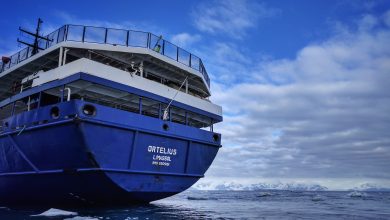
Compare expedition vessels by passenger capacity, number of expedition staff, landing craft, medical facilities and the operator’s environmental procedures. A smaller ship may provide more flexible shore operations, but no vessel can promise a particular bay or wildlife encounter. Ask whether kayaking, camping or photography programmes require separate booking, fitness, equipment or additional fees.
Review the cancellation terms and medical evacuation coverage. Travel insurance should explicitly cover expedition cruising and the activities you select. If you are prone to seasickness, discuss preventive options with a healthcare professional before departure.
A realistic first itinerary
Days 1–2: Ushuaia
Arrive early, collect any expedition clothing and keep medicines, documents and waterproof layers in hand luggage. Use the spare time for a briefing or a short local walk rather than a tightly timed excursion.
Days 3–4: Drake Passage
The crossing can be rough or calm. Attend natural-history lectures, learn the ship’s landing procedures and keep plans flexible. Layers, waterproof trousers, warm gloves, a hat, sunglasses and sunscreen are more useful than heavy cotton clothing.
Days 5–9: Peninsula landings
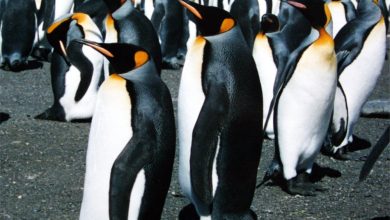
Daily plans change with conditions. Follow staff instructions, stay on marked routes and keep the required distance from animals. Do not approach penguins or seals, block their paths, or leave personal items on shore. Zodiac cruises may provide excellent scenery when a landing is not safe.
Days 10–12: Return
Keep the final day open for disembarkation and transport to the airport. Weather can affect arrival time, so avoid a same-day onward international connection.
What to pack
Pack moisture-wicking base layers, an insulating mid-layer, a waterproof outer shell, waterproof trousers and comfortable warm socks. Operators often provide or loan expedition boots, but confirm sizing in advance. Add sunglasses, high-factor sunscreen, lip balm, a refillable bottle, spare camera batteries and a small dry bag. Pack light enough to manage transfers without help.
Responsible travel and biosecurity
Clean mud, seeds and organic matter from footwear, pockets, bags and clothing before boarding. Follow the crew’s boot-washing and equipment inspection procedures. Follow your operator’s rules about food ashore and leave stones, feathers and other natural objects where you find them, and do not fly a drone unless the operator and relevant authorities expressly permit it. Antarctica is governed by strict environmental rules; responsible behaviour protects wildlife and future access.
Booking checklist for your first expedition
- Step 1: Confirm the landing policy. Ask whether the exact vessel and departure include planned shore operations. IAATO’s operating rules set limits on how many visitors may be ashore at once, and individual sites can impose tighter rules. Check the Antarctic Treaty Secretariat visitor guidance for current rules.
- Step 2: Check how you will board a Zodiac. Describe any mobility needs and ask about steps, crew assistance and footing at wet landings. Request an example of what you can do from the ship if you opt out.
- Step 3: Compare the complete booking. Note which transfers, meals, boots and activities are included. Ask which optional excursions need separate reservations and what happens to their fees if weather cancels them.
- Step 4: Confirm the insurance wording. Share the itinerary and activities with your insurer and check the policy against the operator’s written requirements. Keep both documents accessible offline.
- Step 5: Build in time at both ends. Work backwards from the embarkation deadline and forward from disembarkation. Check the cost of changing your onward flight before committing to a tight connection.
Check whether your ship can land passengers
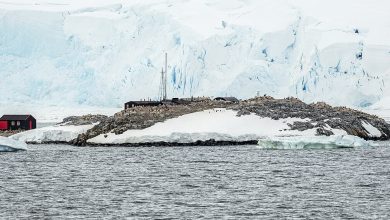
The Antarctic visitor guidelines say ships carrying more than 500 passengers cannot make landings and generally cap passengers ashore from a vessel at 100 at a time, with lower limits at some sites. That makes the rotation policy useful to know even on a ship that can land. Find the vessel in the IAATO vessel directory, then ask how guests rotate between shore, Zodiac cruising and time aboard. For one example of what can change, see our Port Lockroy landing guide.
Before booking: Compare two departures on a single sheet. Write down your shore access, mobility needs, cabin terms and both flight buffers. If a particular landing is the reason for the trip, decide whether you would still take the voyage without it.
Frequently asked questions
What happens if the expedition team cancels a landing?
The team may switch locations, run a Zodiac cruise, stay aboard for wildlife viewing or change the day’s order. Ask for an example from a past sailing if you want to know how the operator handles a full day when conditions prevent going ashore.
What should I clean before boarding?
Check boot treads, bag seams, pockets, cuffs and hook-and-loop fasteners. Remove any dirt, seeds or plant material before packing and repeat the inspection when staff ask. Use the IAATO visitor guidance alongside the briefing for your sailing.
Which itinerary is easier to compare as a first-time traveller?
Start with a Peninsula-focused voyage and compare it with one longer departure. Put the total days away, likely shore days and onward connections on the same page. If your main interest is a specific island or wildlife habitat, see how many days the longer voyage actually allocates to it before deciding.
Before you pay a deposit
Confirm the ship, route, sailing dates, cabin terms, inclusions, transfer arrangements, insurance requirements and emergency procedures in writing. Check passport and transit requirements with official authorities for your nationality. For a focused comparison, read our first Antarctica expedition cruise guide and the new South Georgia expedition guide. Then browse the Antarctica travel section for related planning ideas.
2 Comments