Carcassonne in 2 Days: Ramparts, Old Town and Rail
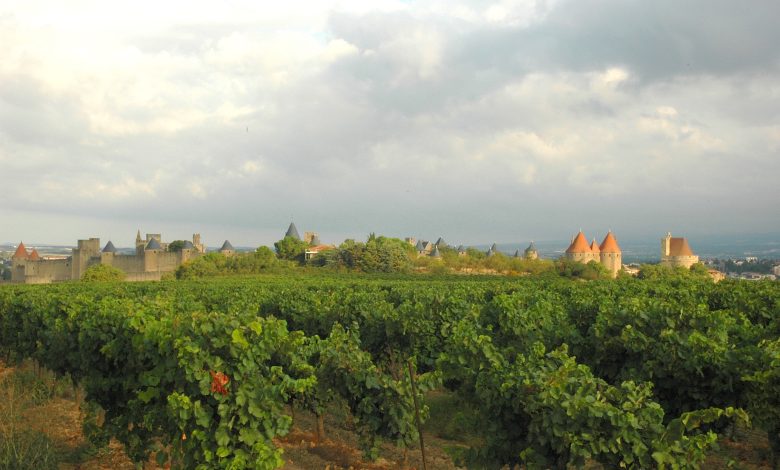
Give Carcassonne one night and two days if you want to see the fortified Cité and the lower town without rushing back to the train. Stay in the Bastide Saint-Louis for an easier rail arrival, or near the Cité for a short walk to the walls in the morning. Book the castle and ramparts around your actual arrival time, not the earliest slot on the calendar.
Carcassonne at a glance
| Your priority | Best starting plan |
|---|---|
| The castle and walls | Give the Cité a full morning and verify current rampart access. |
| Easy arrival by rail | Stay in the lower town and arrange the first uphill walk after dropping your bags. |
| A quieter start | Stay overnight so you can walk through the area before your timed visit. |
The Historic Fortified City of Carcassonne is a UNESCO World Heritage site. The paid castle and ramparts visit is only one part of the broader Cité. The distinction matters when you compare tickets: a walk through the streets and a route along the monument’s ramparts are different experiences.
In its 2025 press kit, France’s Centre des monuments nationaux recorded 643,882 visitors to the castle and ramparts in 2024. The figure measures visits to the monument, not everyone who came to the city. If the walls are your priority, check timed availability before choosing an inflexible train fare.
Best time to visit Carcassonne
Look at spring or autumn if you want a walking trip and have flexible dates. In summer, plan the uphill walk and exposed stretches earlier if it is hot, then use the afternoon for a shaded stop. In winter, confirm how much daylight you have and whether the stops that matter to you are open. Check local event calendars before assuming a particular weekend will be quiet.
Day 1: Arrive by train and walk from the lower town
Check SNCF’s Toulouse–Carcassonne route planner for current trains and fares if travelling from Toulouse. Compare the actual departure station and any change shown on your ticket. Drop your bags before heading uphill if your room is not ready. Ask your hotel where a taxi can stop if you are staying inside or near the Cité.
Start around the Bastide Saint-Louis. Walk toward the Aude and cross Pont Vieux if the route is open and suitable for your group. This gives you a view of the walls before you enter the Cité. Keep the rest of the afternoon unbooked: wander the lanes, look at the approach to the castle and decide how you want to reach it the next morning. Choose dinner near your lodging if you would rather avoid another uphill return.
Day 2: Castle, ramparts and a short return to the station
Check the official monument guide for today’s hours, ticket types, security rules and route information. If you want the ramparts, ask which sections your ticket covers and whether there are stairs or closures that affect your route. A slow walk with time to look out over the town is more useful than adding a second timed visit before you finish the first.
After the castle, take a break before deciding on the Basilica of Saints Nazarius and Celsus or another walk in the Cité. Confirm access around services rather than treating it as an always-open museum. Then leave time to collect luggage and get back to the station. On a same-day trip, cut the lower-town walk first if your return train is fixed.
Which side of town makes the overnight easier?
Choose the lower town if you want a simple first or final train connection. Check luggage storage if you plan to cross the bridge before your room is ready. Choose the Cité side if you want an early walk by the walls, but ask about luggage drop-off before booking. If your party has different walking speeds, agree on a meeting point outside the monument. The public streets and the paid rampart circuit make it possible to spend different lengths of time in the same area without separating for the whole day.
What to book first and common mistakes
- Start with the train and the main visit. Check whether the opening calendar and travel schedule work together before buying two inflexible tickets.
- Check the walking route to your room. The climb and uneven surfaces matter more with bags. If stairs are a concern, confirm access at both the accommodation and the monument.
- Keep a weather alternative. If exposed walls are closed or the weather turns, spend more time on the streets and use the official local tourism guide to choose another stop.
Your next step: Choose an overnight or a day trip, then compare one train and one castle slot with a margin between them. For more car-free planning, read our Troyes itinerary, compare the Provence route planner or browse the Europe travel hub.
Featured photo: GuidoR / Wikimedia Commons (CC BY 3.0; scaled for display).