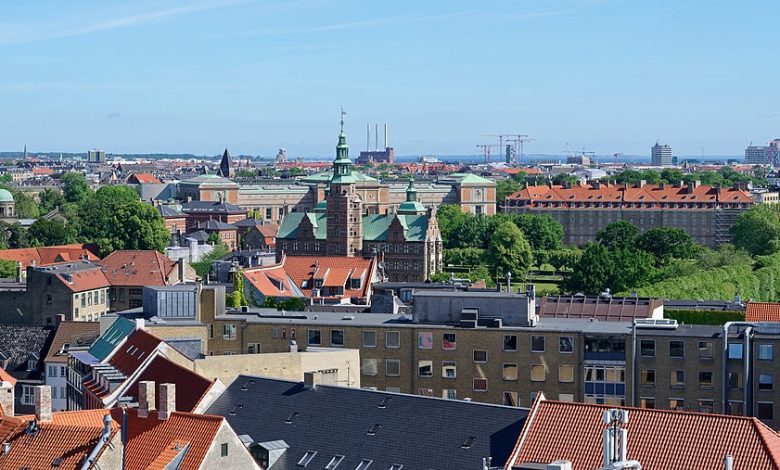
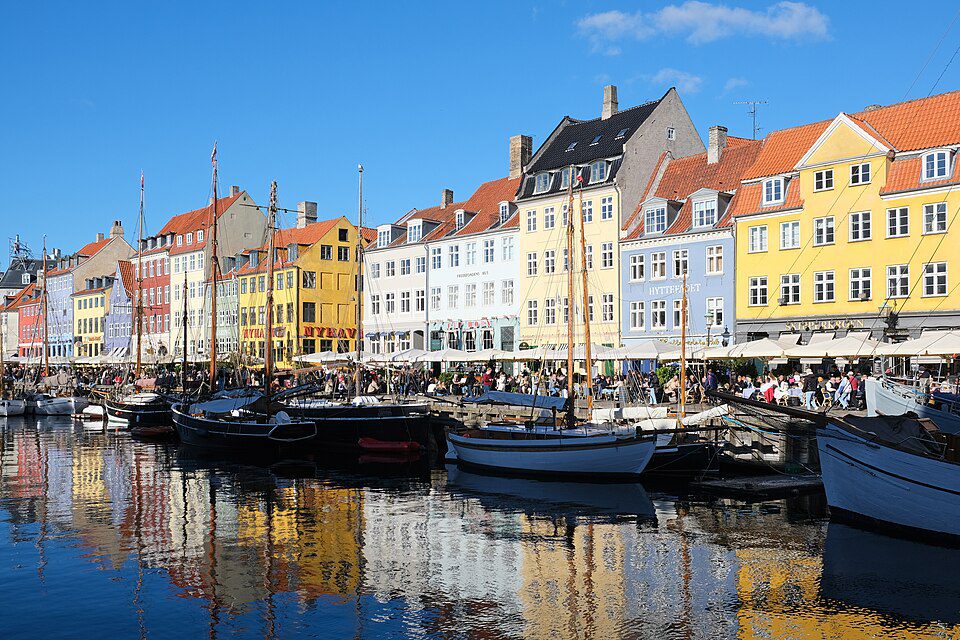
Copenhagen is an excellent short city break because its central sights are close together, but the best plan is not a checklist race. Choose two or three neighbourhoods per day, use walking for the compact centre and keep one flexible indoor option for rain. This practical update corrects the common “Nyhaven” spelling to Nyhavn and focuses on decisions that affect time and cost.
How many days?
Two full days cover the historic centre and one or two headline attractions. Three days gives you time for a neighbourhood, a slower meal and a museum without rushing. Four or five days can add a day trip such as Helsingør or Dragør; check the official VisitCopenhagen itineraries for current suggestions and transport links.
A balanced three-day plan
Day 1: old centre and harbour
Start around City Hall Square and walk through the historic centre to Christiansborg and the Round Tower. Continue to Nyhavn, then choose a canal cruise or a waterfront walk. Finish in Christianshavn rather than crossing the city repeatedly. Reserve timed entry for any attraction that requires it and check its official site for the current opening information.
Day 2: choose your interests
Art and design travellers can pair a major museum with a design shop or gallery. Families may prefer a generous block for Tivoli Gardens; verify seasonal opening dates directly because its calendar changes. If you choose Rosenborg Castle, plan nearby King’s Garden and allow time for security or bag checks. Our Paris three-day itinerary offers another example of grouping sights by area.
Day 3: neighbourhood day
Pick one district instead of trying to “see Copenhagen” in a morning. Vesterbro works for cafés and food halls; Nørrebro suits independent shops and a diverse restaurant scene; Østerbro is calmer and close to parks; Christianshavn combines canals with residential streets. The official neighbourhood guide is useful for matching an area to your interests.
Getting around
Walking is effective within the centre. For longer hops, Copenhagen’s metro, buses and trains are integrated into the city’s public-transport system; use the official journey planner on VisitCopenhagen’s transport page and check disruption notices on the day. Cycling is a practical option for confident riders, but use marked lanes, signal clearly and do not assume a casual visitor can keep up with commuter traffic. Ask your rental shop about lights, locks and insurance.
Where to stay
Choose accommodation by the pattern of your days. Indre By minimises walking to classic sights but can feel busy. Vesterbro is convenient for the station and evening food. Nørrebro offers a more local atmosphere but may mean longer rides to the harbour. Christianshavn is scenic and central, while Østerbro is quieter. Before booking, check late arrival instructions, lift access, luggage storage and whether breakfast hours fit your plans.
Should you buy a Copenhagen Card?
The Copenhagen Card can bundle attractions and public transport, but its value depends on how many included sites you will actually visit. Compare the current price and inclusions with individual tickets, and confirm whether a favourite attraction or day trip is covered on your travel dates. Do the calculation before arrival; convenience is useful, but a card is not automatically cheaper.
Small planning mistakes to avoid
- Booking a hotel far from your preferred evening area and paying for repeated transfers.
- Scheduling Tivoli, a museum and a day trip on the same day.
- Relying on old blog opening hours instead of official attraction calendars.
- Underestimating wind and rain beside the harbour; carry a light waterproof layer.
- Hiring a bike without understanding lane rules or returning it after dark without lights.
Save attraction confirmations offline, keep one unscheduled café or museum slot each day and check local event listings before you travel. For more destination planning, browse the Europe collection and compare how our Istanbul neighbourhood guide handles the “where to stay” decision.

3 Comments