Lüderitz in 3 Days: Harbour Walks, Kolmanskop and Desert Photography
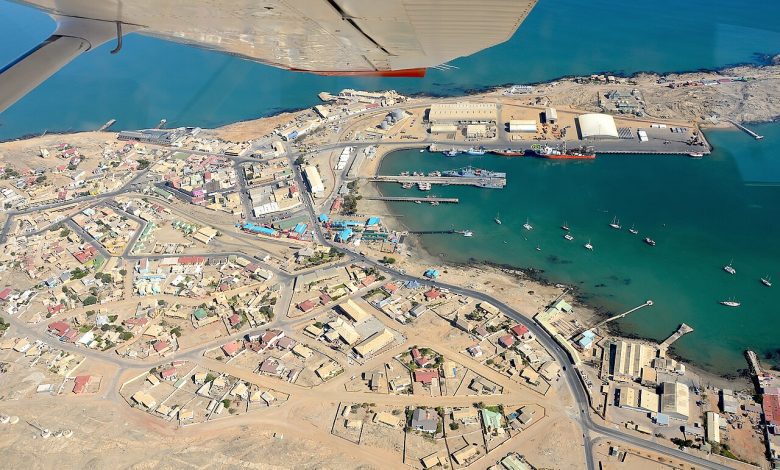
Featured photograph: Olga Ernst and Hp.Baumeler, Wikimedia Commons; CC BY-SA 4.0. Archival photograph taken in April 2017, resized for this article. The image does not establish present-day conditions.
Lüderitz is a deliberate detour, not a place to bolt onto a Namibia itinerary because there is a gap on the map. The harbour, desert setting and nearby Kolmanskop reward travellers who want to look closely: at architecture, light, abandoned interiors and the history behind them. Give the area three days rather than arriving tired, taking one photograph and driving away.
At a glance: three days, with travel time separate
Plan roughly three nights if road transfers take substantial parts of your arrival and departure days. Stay in one base, use one morning for Kolmanskop and leave another for a suitable coastal outing. This is not a beach-resort schedule. Pack layers, sun protection and a way to protect camera equipment from blowing sand.
| Day | Main plan | Fallback |
|---|---|---|
| 1 | Harbour and central streets | Short orientation walk after the transfer |
| 2 | Kolmanskop guided visit or extended photo access | Swap with day three if access and your ticket allow |
| 3 | Coastal outing from Lüderitz | Town history, architecture and a long lunch |
Timing: choose conditions over a perfect-season promise
The coast and inland desert can feel very different on the same journey. Do not use a warm inland forecast to decide what to wear beside the Atlantic. Check current local weather, wind and road information shortly before travelling, and keep an alternative indoor or town-based plan.
Consult the Namibia Tourism Board for wider trip planning and the current official safety and road advice. A good photographic forecast does not remove the need for sensible driving hours, fuel planning and insurance that covers your intended activities.
Day one: settle in and understand the harbour town
After checking in, take a short walk through central streets and along suitable public waterfront areas. Ask your accommodation which routes are appropriate that day. Keep valuable equipment discreet and avoid leaving it in a parked vehicle. An early evening is a better decision than an ambitious drive after a long transfer.
Approach colonial-era buildings as historical subjects rather than scenery without context. Ask museums or qualified guides how local stories are presented and whose experiences are included. If a site is closed or access is unclear, photograph from an authorised public viewpoint instead of entering private property.
Day two: Kolmanskop, with the right access
Make this your planned photography morning. Use the Kolmanskop operator’s booking information to confirm the ticket or permit that matches your intended visit. Its page currently contains differing opening-hour statements; verify your chosen date and access category directly before paying. A standard visit and extended photography access should not be treated as interchangeable.
Stay within authorised areas and obey barriers. Abandoned buildings are not a playground: watch footing, keep away from unstable features and avoid moving objects or damaging interiors to improve a composition. Ask about tripod use and commercial photography requirements when relevant. Bring water and protect your eyes and equipment from sand.
Return to town with time to eat, rest and review photographs. You do not need an additional long excursion to make the day worthwhile. A guided interpretation of the mining settlement can add more than another hour of repeating the same doorway shot.
Day three: a flexible coastal day
Choose a locally advised coastal route or a reputable guided outing, confirming road suitability, permission and return arrangements. Any boat trip depends on the operator and conditions; do not build the final day around guaranteed wildlife sightings. If conditions are poor, use the day for local history, a meal and a slower look at town.
Do not turn an unmarked track into an adventure because an offline map shows a line. Restricted areas and private access need explicit permission. Keep a realistic margin before the next long transfer instead of planning a sunset finish followed by unfamiliar roads after dark.
Where to stay, transport and booking priorities
Compare central accommodation for meal access with properties farther out for space and parking. Ask about heating, secure parking, stairs and breakfast times. Confirm your complete transport plan before reserving a non-refundable room; this guide does not promise flights, bus frequencies or a particular drive time.
Book the base, transfers and required site access first. Compare total costs including fuel, guiding, permits and cancellation terms. No fixed prices are quoted. Save your confirmations offline and agree a contact plan for remote road sections.
How to plan the photography day
Choose a tour or an extended-access permit
If you want the settlement’s history, start with a guided visit and leave time afterwards to look back at one or two buildings. If the trip hinges on early or late light, ask the operator which permit covers those hours, how gate access works and when you must leave. The operator lists separate rules for extended amateur access, says night photography is prohibited and does not allow drones. Confirm the details for your date before relying on an early start.
Work with one subject at a time
Try three frames of an authorised building: a wide view that shows how sand has gathered, a doorway or window that gives the scene scale, and a detail such as peeling paint. Then put the camera down and look at where you are standing. A sharp image is worth less than keeping clear of unstable floors and walls. In wind, leave the spare lens in its bag and work from a sheltered, permitted position.
Booking checklist for three days in Lüderitz
- Step 1: Check your driving day. Note where you can refuel, save the route offline and plan to arrive with daylight to spare.
- Step 2: Confirm the permit. Ask where to collect it, which gate to use and whether the ticket can move to another date.
- Step 3: Plan the coastal day last. Ask the operator for the departure point, expected return and weather cancellation terms before you pay.
- Step 4: Set a backup. Pick a short town route and an indoor stop with confirmed access. Keep this option near your accommodation so it still works in poor weather.
Frequently asked questions
Can the first day include Kolmanskop?
Only if the drive, ticket and arrival time give you a comfortable margin. For a long transfer, keep the first afternoon in town and give Kolmanskop the next morning.
Does the Kolmanskop permit cover the surrounding mining area?
No. The operator limits access to Kolmanskop itself. A route shown on an offline map does not grant permission to continue past the site boundary.
Continue planning
Fit this detour into the wider Namibia route guide, compare a separate southern Africa city stay with Cape Town in five days, or browse the Africa planning hub before committing to another travel leg.
Featured photograph: Olga Ernst and Hp.Baumeler, Wikimedia Commons; CC BY-SA 4.0. Archival photograph taken in April 2017, resized for this article. The image does not establish present-day conditions.

One Comment