Ōamaru in 3 Days: Victorian Streets, Steampunk and Penguins
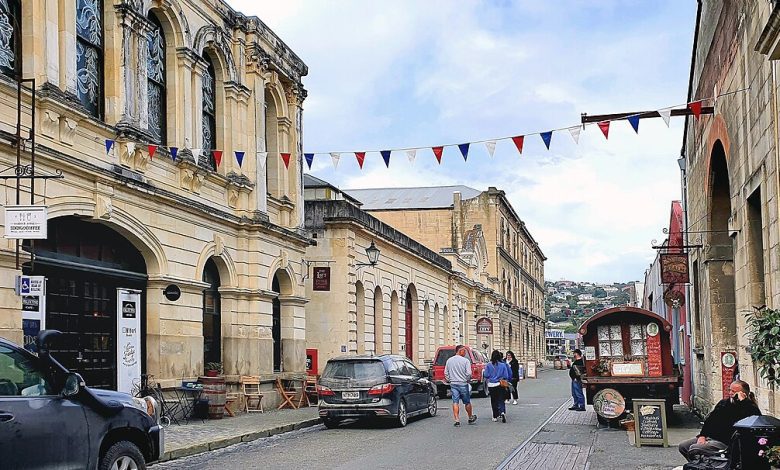
Featured photograph: Bernard Spragg. NZ, Wikimedia Commons; Public Domain Mark. Archival photograph taken in May 2022, resized for this article. The image does not establish present-day conditions.
Ōamaru rewards travellers who stop overnight instead of treating every South Island town as a photo break. Its pale limestone streets give you a place to wander, while creative shops and evening penguin viewing provide two very different reasons to stay. Three days allow a modest town itinerary without squeezing another long drive into the middle.
The angle fits the interest-led travel discussed in Expedia’s current Unpack ’27 research: choose a place around something you enjoy, whether that is architectural photography, making things or wildlife. That broad research does not establish demand for Ōamaru. Here, the useful question is whether your South Island route has room for a slower, focused stop.
At a glance: who should stay, and for how long?
Allow two or three nights, depending on arrival time. This guide assumes three unhurried days and an overnight stay after penguin viewing. It suits travellers interested in small-town heritage and the coast; it is less suitable if your priority is alpine hiking every day. Keep a warm layer and rain jacket accessible rather than buried in the car.
Best time: plan the evening first
Choose dates around your wider New Zealand trip, then check daylight, forecasts and the colony’s booking calendar. Summer gives longer daylight, but an outdoor evening can still feel cold. Cooler months may suit a quieter town visit, with shorter days shaping driving plans. Consult MetService before travel rather than relying on a seasonal label.
Penguins are wild animals, so numbers and timing vary. The colony’s official viewing page explains that return times follow sunset and change during the year. Book for your date; do not copy a start time from an old itinerary.
Day one: limestone streets and the harbour
Begin in the Victorian Precinct, leaving time for galleries, independent shops and a café break. Take photographs from public areas and ask before photographing people or workshop interiors. Follow the streets towards the harbour, then return for an early meal rather than promising yourself a distant attraction before nightfall.
The regional tourism guide is a useful way to compare heritage visits and food stops. Choose one indoor option if the weather turns. Opening days differ between small businesses, so a particular shop should be a possibility rather than the entire reason for your arrival day.
Day two: creative interests and penguin viewing
Give the morning to Steampunk HQ or another creative stop that matches your interests, checking current admission and accessibility directly. An interactive attraction is a different experience from simply admiring buildings outside; decide which matters before buying tickets. Keep the afternoon flexible and eat before your evening booking.
For the colony visit, follow the staff’s instructions and biosecurity measures. Its evening rules prohibit cameras and filming devices, including bright electronic screens. Daytime entry has different photography arrangements. The distinction matters: this is a wildlife experience, not an opportunity to light up birds for a photograph. Arrange a straightforward return to your accommodation.
Day three: leave room for the town
Return to a gallery, enjoy a longer breakfast or walk a suitable local route after checking conditions. Avoid adding a major regional drive merely to fill the page. If travelling onward today, give that journey its own time allowance and finish sightseeing early enough to drive in daylight.
Transport, accommodation and spending decisions
If you are travelling with children or someone who tires easily, build a rest break between the afternoon visit and the evening session. Ask the accommodation about a suitable meal time and whether a taxi can be arranged for your return. Travellers with mobility needs should request specific information about steps, seating and accessible toilets from each operator. A central address alone cannot establish that a whole day will be accessible.
A central base makes the heritage streets easier to explore on foot. Check the actual walking route, gradients and distance to evening viewing before choosing solely by map proximity. Motels farther from the centre may suit drivers; confirm parking and kitchen facilities. Without a car, verify current intercity stops and onward services before paying for accommodation.
Reserve transport, your preferred penguin session and accommodation first. Compare complete room and ticket costs, including cancellation terms; no fixed prices are quoted here. Budget separately for meals and optional attractions. Three thoughtful bookings are more useful than a prepaid list that leaves no weather flexibility.
Continue planning
Compare Dunedin’s heritage and peninsula guide for a separate onward stop, use the New Zealand planning guide to check your overall route, or explore the Oceania destination hub before choosing your next trip.
Featured photograph: Bernard Spragg. NZ, Wikimedia Commons; Public Domain Mark. Archival photograph taken in May 2022, resized for this article. The image does not establish present-day conditions.