Bizerte in 2 Days: Old-Port Walks, Seafood and a Northern Tunisia Base
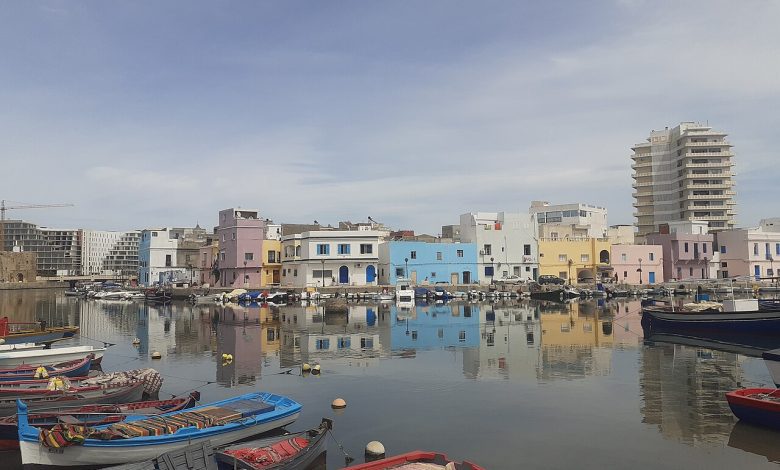
Bizerte suits a short northern Tunisia stay built around an old harbour, a medina walk and time at the table. The useful decision is whether to sleep here or make a day excursion from Tunis. One night gives the city room to breathe; two nights make sense if the coast is a major part of your plan. Neither requires a rushed circuit of every archaeological site in the north.
At a glance: town stay or beach stay?
Choose a central address when walking, food and the old port are the priorities. Choose a coastal hotel when beach facilities matter more, then check the journey into town. “Bizerte” in a booking description does not tell you the exact beach access or how easily you can get back after dinner.
The Tunisian National Tourist Office’s regional guide introduces the old harbour, kasbah and medina alongside the wider region. Use it to shortlist interests, then keep this two-day trip focused on the city and one optional outing.
Best time: decide what the second day is for
Compare spring and autumn for a town-walking holiday with breaks outdoors. Tunisia’s official climate guidance describes hot, dry summers and cooler, wetter winters in the north. That broad pattern is not a forecast for your dates.
A summer visit needs shade, water and time away from the midday heat. A winter break can still work for food and streets, but should not depend on a beach day. For swimming, follow local conditions and warnings rather than using sunshine as evidence that the water is safe.
Day one: start at the old harbour
Arrive early enough to leave luggage and make an easy first circuit beside the old port. Take a café break before entering the medina; it is worth slowing down to understand how the waterfront and older streets connect. Keep working quays and boat access clear.
Walk through the kasbah area and choose a modest route through the medina and souks. A local guide can add historical context if that is your main interest. Ask about current access before expecting a fort or museum interior to be open, and respect restrictions at religious sites.
Make lunch part of the day. The tourism board highlights seafood, including grilled fish and fish couscous. Ask what is available, how the portion is priced and which accompaniments are included before ordering. Confirm ingredients and allergens directly; a dish name is not a reliable dietary guarantee.
Day two: keep one manageable choice
For a city-focused visit, return to the streets you enjoyed, add a confirmed cultural stop and leave time for an unhurried meal before departure. A second pass often gives you more than adding a distant attraction simply because it appears on a regional map.
If the weather and your interests favour the coast, choose one suitable beach area with confirmed transport both ways. Ask about facilities, local conditions and the pickup arrangement. Keep the city plan as an alternative. Do not build a day around an isolated cove without checking access and a dependable return journey.
Ichkeul and Dougga appear in regional tourism material, but they require separate logistics and current access checks. They are not automatic additions to this two-day outline. Add time if a specialist nature or archaeology excursion is the real reason for travelling.
Getting there from Tunis
Tunis-Carthage is the airport to compare for an international arrival. Check the complete journey to your actual hotel, including arrival time, baggage and any connection. For a short stay, a prearranged transfer may be worth comparing with public transport for convenience rather than assuming either is always better value.
If using public transport, confirm the current departure point, service and return arrangements locally. No train frequency, fare or guaranteed journey time is quoted here. Plan intercity travel in daylight where practical, and leave enough margin before a flight from Tunis.
Where to stay and what to book first
Book the room location and arrival transfer first. Then reserve a guide or activity that has limited availability. For a guesthouse in an older building, ask about steps, bathrooms, cooling or heating and luggage access. For a beach property, check whether facilities operate during your stay.
Read current Tunisia travel advice, including regional restrictions, before choosing excursions. The advice warns about terrorism and specific higher-risk areas; this city guide is not an assurance of safety. Avoid demonstrations, follow local instructions and do not photograph government or military sites.
Compare another unhurried North African coastal stop in our El Jadida guide, explore a different harbour-and-desert combination in Lüderitz, or use the Africa hub. These are separate trip ideas. Start by choosing a town or beach base, then confirm the transport that makes it practical.
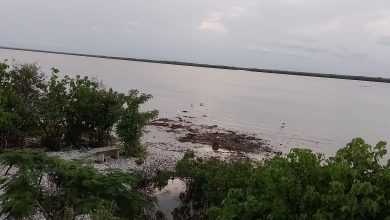
Featured photo: Youssefbensaad / Wikimedia Commons, CC BY-SA 4.0. Resized; licence retained.

One Comment