Quedlinburg in 2 Days: Half-Timbered Streets and the Reopened Stiftsberg
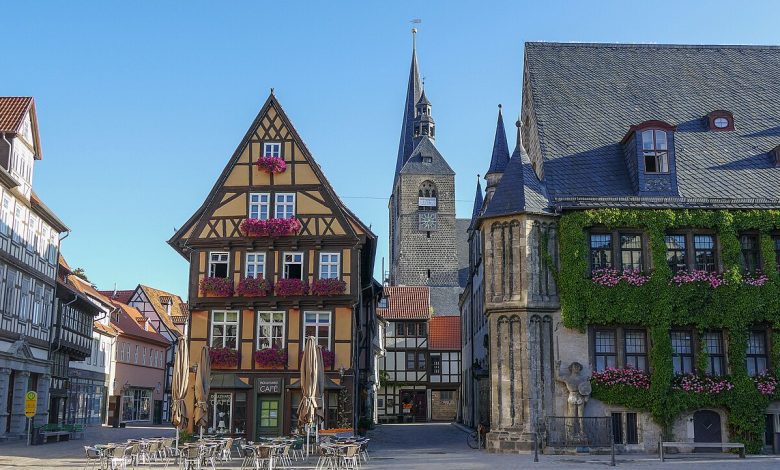
Quedlinburg makes a strong two-day stop when you want architecture and history without spending the whole visit moving between sights. Its market square is a starting point, not the entire experience: the streets, courtyards and uphill heritage quarter deserve time on foot. Stay overnight, choose one substantial museum visit and leave room for a meal that is not squeezed between trains.
Why plan the Stiftsberg now?
A concrete change makes older guides worth checking. In a notice dated 1 October 2026, the Stiftsberg partners announced the Castle Museum’s reopening on 3 October 2026, completing the combined route through the museum, Collegiate Church and Treasury. That is a reason to plan a proper visit, rather than assume the earlier renovation arrangements still apply.
Reopening does not mean every room, tour or time slot is available whenever you arrive. Check the current visitor page before choosing the museum day. The opening-day free admission described in the announcement was specific to 3 October; do not treat it as the ongoing ticket policy.
At a glance: two days or a day trip?
One day can introduce the old town. Two days allow a guided walk, the Stiftsberg and time to notice the buildings away from the busiest square. Add another night only if a separate Harz excursion is a priority; the wider region should not swallow the town stay by accident.
UNESCO’s listing explains the significance of the timber-framed town and St Servatius, a major Romanesque church. Come for that variety of architectural history rather than expecting every building to belong to one period.
Day one: streets first, explanations second
Arrive with enough daylight to settle in and walk to the market square. Make a first circuit without turning it into a hunt for a fixed number of façades. Look at differences in timber framing, doorways and rooflines, and allow the route to lead beyond the most photographed corners.
Then join a walking tour if you want the buildings connected to the town’s history. Use the official tourist-information service to check language, meeting point and the actual date. Choose an indoor stop or café break if the weather turns. Save the evening for dinner and a short familiar route back to your accommodation.
Day two: give the hill its own morning
Make the Stiftsberg the day’s main commitment. The redesigned museum interprets the abbesses and their role in the place’s history, alongside the church and treasury. Book any guided component you particularly want, and ask which parts are included in the ticket you are buying.
The operator describes accessibility improvements, but your needs still deserve a specific answer. Ask about the approach from your hotel, lifts, seating and any sections with restrictions. The route through town can include gradients and uneven surfaces even when a museum has step-free arrangements.
After lunch, keep time for another neighbourhood walk or a return to a shop you noticed yesterday. If continuing by train, choose the last sightseeing stop according to the station journey and luggage collection, rather than relying on a rushed final connection.
Best time and where to stay
Compare late spring or early autumn for a walking-focused stay, while allowing for rain and cooler evenings. Summer brings longer daylight; winter makes short outdoor circuits and indoor breaks more important. Pack footwear that handles wet paving rather than choosing shoes solely for photographs.
Advent travel is a different proposition: check the town’s current event calendar and book accommodation around the specific market dates. A winter weekend is not automatically quiet or inexpensive. For any season, choose an old-town address if evenings on foot matter, and ask about stairs, luggage access, parking and breakfast before reserving a historic building.
Transport, booking priorities and common mistakes
Compare the complete rail journey in Deutsche Bahn’s current planner, including regional connections, works and the return trip. No departure time or fare is assumed here. A car is useful for a wider regional circuit but can add parking and access questions to a compact town visit.
Confirm the museum day first, then room and transport. Carry a weather alternative, check current Germany travel advice and keep belongings close in stations and crowded events.
Use our Berlin guide for a separate city stay, compare another German urban break in Munich, and browse the Europe hub for wider planning. Start with two questions: which day can you visit the Stiftsberg, and can your chosen room keep the rest of the stay comfortably walkable?
Featured photo: Heigeheige / Wikimedia Commons, CC BY-SA 4.0. Resized; licence retained.


One Comment