Linares in 3 Days: Maule Crafts, Market Food and a Rural Chile Base
Linares is a practical base for travellers interested in Maule’s craft traditions and rural life rather than a packed list of national landmarks. Spend a day in town, arrange a respectful visit to makers around Rari, and leave one day for countryside or an easier cultural alternative. Three days gives those experiences room; it does not turn the whole Maule region into a convenient day trip.
The attraction is a specific interest. Sernatur’s recent municipal-tourism programme includes Linares, while current craft research highlights the horsehair weaving of nearby Rari. Those are reasons to investigate a cultural visit, not evidence that the city is suddenly a tourism hotspot. Start with the people and collections you want to understand, then organise the transport.
Choose the season for your actual plan
For town walks and a rural visit, consider spring or autumn first, then compare the forecast with your intended outings. Summer requires more attention to heat, shade and booking popular rural stays; winter can make a museum-led break more appealing than an ambitious foothill itinerary. Chile Travel’s Maule planning information distinguishes seasonal outdoor experiences and the need for layers.
Allow three nights if you want two full days plus arrival or departure time. Add another night for a serious nature excursion instead of squeezing it between a workshop visit and a train. Review our Chile guide before combining this inland stay with the coast or far south.
Day 1: Plaza, cathedral and the craft museum
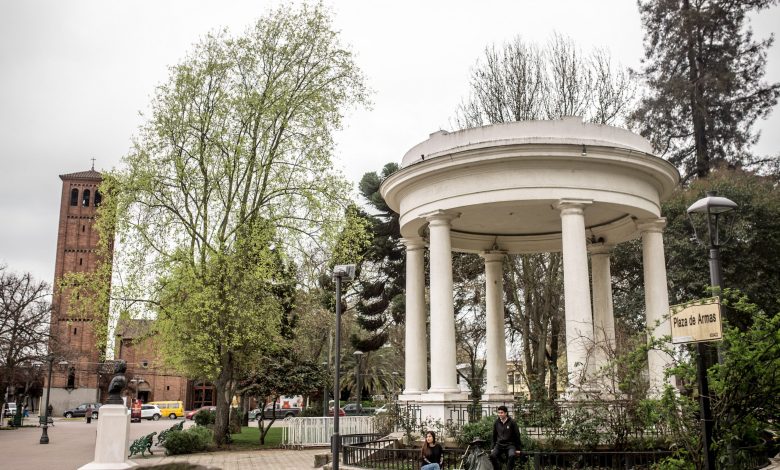
Begin at the Plaza de Armas and San Ambrosio Cathedral area. Use the national domestic-tourism guide for orientation, then make time for the market and lunch. Respect worship and check current access before entering the cathedral; an architectural stop should not disrupt a service.
Give the Museo de Arte y Artesanía de Linares a substantial afternoon block. It provides context for Chilean art and popular craft, including work associated with the surrounding region. The museum’s visitor page, checked on 1 November 2026, lists Tuesday–Saturday opening and free general admission without a reservation. Groups are asked to arrange visits in advance.
Check holiday closures and the current programme before fixing the day. Bags and umbrellas must be left as directed at reception, and flash photography is prohibited. Ask about access assistance if needed. Seeing the museum before buying craft can help you recognise materials and technique rather than choosing only by colour or price.
Day 2: Rari with permission and time
Arrange transport to Rari and confirm a maker visit rather than assuming a demonstration will happen whenever you arrive. Fundación Artesanías de Chile explains the local tradition of weaving fine horsehair into small, intricate objects. This is skilled work embedded in living households and businesses, not an open-air performance awaiting visitors.
Ask whether there is a visit fee, how purchases are handled and what photography is welcome. If you buy, request the maker’s name, material details and packing advice. Allow a proper conversation and avoid bargaining as if careful handwork were interchangeable with a factory souvenir. A local guide can help with language and context if you do not speak Spanish.
Keep the remainder of the day flexible. The official Colbún–Rari overview can help identify nearby possibilities, but choose one additional stop only after checking access and the return ride. A thermal facility needs its own operating and booking check; the regional label does not guarantee walk-in admission.
Day 3: Countryside, foothills or another town day
The Cajón del Río Achibueno is an option for travellers whose main interest is nature. It is a separate excursion requiring route, weather and activity planning. Confirm road conditions, the operator’s current registration, suitable equipment and the return time. Do not turn a scenic river photograph into an assumption that swimming, hiking or driving is safe that day.
If conditions are unsuitable, stay with markets, another cultural visit and a slower meal in Linares. You can also use the day to prepare onward travel. Compare our Chillán guide if food and architecture appeal more than a remote outing; choose enough nights rather than rushing through both cities.
Rail arrival and a sensible base
EFE’s Linares information confirms rail access on the Santiago–Chillán corridor. Search actual tickets for the correct date, station and baggage allowance. Allow separately for the journey from Santiago airport to the departure point; a rail connection is not an airport transfer.
For this itinerary, a central hotel simplifies evening meals and the first day’s walking. Confirm reception hours, luggage storage and station pickup if useful. A rural lodge may suit relaxation, but it adds transport to museum and market visits. Compare total costs including the Rari vehicle and guiding before deciding where the best value lies.
Before committing money
Reserve arrival transport and lodging first, then a confirmed craft visit. Keep the nature day flexible and use current Chile safety advice, weather warnings and local access notices. Avoid demonstrations and leave valuables secured rather than unattended in a sightseeing vehicle.
Your next step: place the museum on an open day, confirm one Rari appointment and price the complete return journey. Browse the South America hub before adding another region to this short stay.
Sources checked 1 November 2026. Reconfirm openings, transport and activity access before travel.
Photo: Cosgoto, Plaza de armas de Linares, CC0 1.0, via Wikimedia Commons. Resized/recompressed display copy.




One Comment