Paramaribo in 3 Days: Wooden Heritage, Food and River Planning
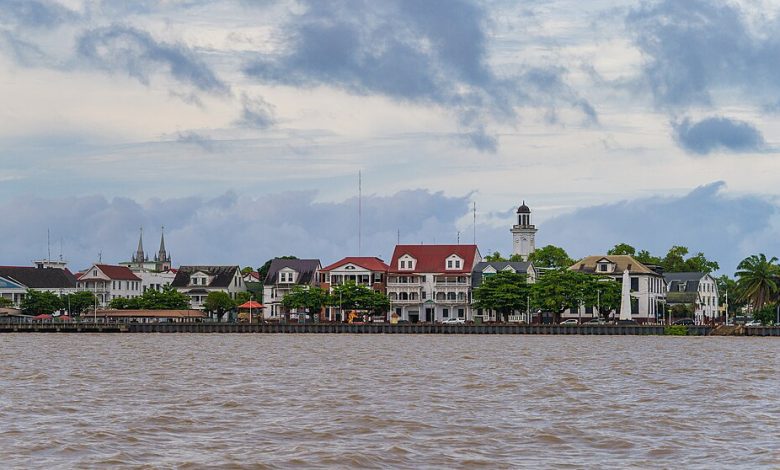
Featured photo: Rafaeljantz, Wikimedia Commons source, CC BY-SA 4.0. Resized; the theme may crop it for display.
Paramaribo rewards a slower city visit: wooden buildings, riverfront streets and food shaped by Suriname’s many communities. Allow three full days for the historic centre, cultural visits and one carefully planned river-region excursion. Add separate nights for travel into the interior; a short capital stay is not a complete Suriname expedition.
Booking.com’s April 2026 research points to weather-aware travel choices. It does not establish growing demand for Paramaribo. This research-based guide applies the idea through morning walks, flexible afternoons and deliberate seasonal planning.
Paramaribo at a glance
| Decision | Practical starting point |
|---|---|
| Days needed | Three full days plus arrival and departure time. |
| Useful base | A well-reviewed central hotel with reliable transfer arrangements. |
| Main constraint | Heat, rainfall and the logistics of any river outing. |
When to visit: drier does not mean cool
The Suriname Hospitality and Tourism Association describes broadly drier periods from early February to late April and mid-August to early December. Seasonal boundaries vary, and Paramaribo remains tropical. Rain protection and drinking water belong in your day bag even in a drier period.
Plan walking for the morning, with indoor visits or a long lunch during the hottest part of the day. Current Suriname travel guidance highlights flooding risk during heavy rains. Confirm access and cancellation arrangements for excursions rather than assume a season label guarantees a clear route.
Day 1: Wooden heritage and the riverfront
Begin with the UNESCO-listed historic inner city, where European urban influences meet local materials and building techniques. Walk along Waterkant and around the Fort Zeelandia area, leaving time to notice the wooden architecture rather than rushing between landmarks.
A knowledgeable local guide can explain the buildings through colonial rule, enslavement and the city’s changing communities. Confirm museum access for your date before paying for a tour that promises interiors. The Presidential Palace and religious buildings are not automatically open simply because their exteriors appear on a sightseeing route.
Day 2: Living culture and food
Choose a museum or cultural visit that interests you, then leave the rest of the day for a manageable food route. Suriname Travel’s city overview describes museums relating to Afro-Surinamese dress and Hindustani heritage. Check opening arrangements directly rather than attempt every venue in one day.
The city’s food reflects, among others, African, Indian, Javanese and Chinese influences. Pick two different meal experiences, ask what ingredients are used and check dietary requirements carefully. A busy kitchen, clear menu and food prepared appropriately matter more than an impressive list of dishes to photograph.
When visiting a place of worship, ask whether visitors may enter, dress respectfully and follow photography requests. A building’s presence on the same street as another community’s landmark is an invitation to learn, not permission to enter during worship.
Day 3: Commewijne or a flexible city day
A guided visit to Commewijne can broaden the trip with river landscapes and historical sites. Ask for the exact stops, road or boat arrangements, return time and interpretation of plantation history. Avoid tours that reduce that history to attractive houses without discussing the people who lived and worked there.
For a boat outing, ask about life jackets, boarding conditions, weather changes and cancellation terms. Wildlife sightings are not guaranteed. If conditions or the available tour do not suit you, keep a second city day for a museum and relaxed lunch instead of forcing the excursion.
Where to stay, transport and money
Choose a central hotel with recent reviews, clear room details and an arrival-transfer service you can verify. Ask about air conditioning, stairs and evening transport if these affect your comfort. A room’s price alone cannot tell you how useful its location will be.
Arrange a licensed taxi through your hotel or a recognised service; current UK advice recommends official ranks or booked taxis rather than street hailing. Avoid isolated areas, including secluded parts of the Palmentuin. Carry limited cash and confirm card acceptance with your accommodation and excursion provider.
Booking priorities and common mistakes
Check entry requirements for your nationality through the relevant authorities, then book accommodation and transfers. Confirm museum days and one excursion next. Avoid tight onward connections, carrying unnecessary valuables or treating a river outing as an unplanned walk.
Continue planning
Compare the pace of this visit with our Buenos Aires three-day guide or Valdivia rivers and markets itinerary. These are alternative South American city trips, not neighbouring stops.
Your next step: choose your dates and verify transfers, then explore the South America destination hub before adding another destination.
Research checked on 5 October 2026. This itinerary is an editorial suggestion, not a first-hand visit account.


2 Comments