Trier in 2 Days: Roman Sights, Regional Food and Rail Planning
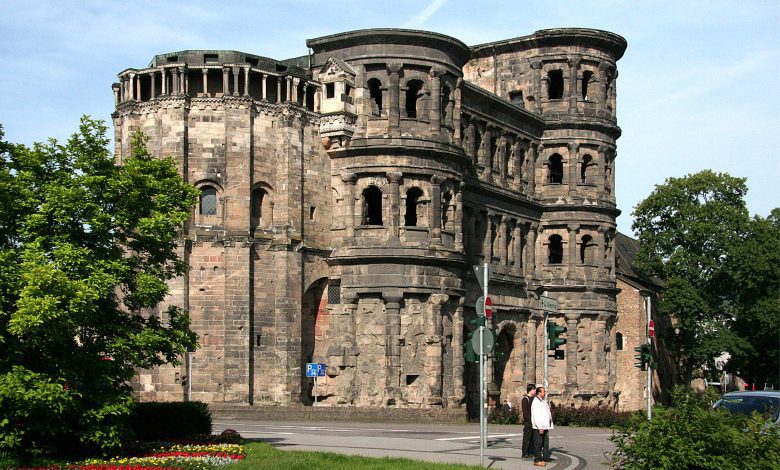
Trier makes sense when you want Roman history without spending a whole journey moving between major capitals. Its stone gate, churches and archaeological sites sit alongside an ordinary working city of cafés, shops and neighbourhood restaurants. Two full days let you do more than photograph the Porta Nigra and leave.
The German National Tourist Board’s 2026 campaigns connect cultural city breaks with regional food and smaller-city experiences. That is a useful editorial reason to consider Trier, not evidence that its bookings are rising. Choose it because the trip fits your interests and route.
When to go, and how long to stay
Late spring or early autumn is a sensible starting point for walking and outdoor ruins. Bring a rain layer in any season and keep a museum option available. Summer offers longer sightseeing days; winter needs a tighter plan because daylight and monument hours are shorter. Check the local event calendar before assuming an ordinary weekend will be inexpensive.
Allow two full days and preferably three nights if arriving late. A single day suits a selective Old Town visit. Add a third day only if you genuinely want a separate Moselle outing; vineyards, boat trips and tastings require their own transport and availability checks.
Day one: the gate, market and cathedral quarter
Begin at Porta Nigra, then walk into the centre toward Hauptmarkt. Decide whether you want to enter the gate rather than treating every monument as an obligatory paid stop. The tourist office’s current listing notes restoration scaffolding while visitor access continues. Check what can be seen before buying admission.
Continue to the cathedral and Church of Our Lady, allowing for worship and access restrictions. Leave room for a proper lunch instead of collecting interiors all day. Later, choose the City Museum Simeonstift if urban history interests you, or take a slower walk through the streets around the centre. The museum and cathedral are different kinds of visit; you do not need to cover both exhaustively.
Day two: choose your Roman-history depth
Give the Imperial Baths and archaeological museum area the stronger part of your day. Use a current city map to decide whether to add the amphitheatre or a riverside walk. Outdoor archaeological remains can demand more walking and concentration than their map symbols suggest, especially in rain or heat.
Read the Imperial Baths visitor information and compare individual admission with the currently available AntikenCard options. A combined ticket is valuable only if its included sites match your route and opening days. These are archaeological remains, not a functioning thermal spa.
Getting there: check the temporary rail timetable
Trier Hauptbahnhof is the city’s main rail and bus connection point. The official rail page, checked 29 October 2026, warns of partial closures and replacement buses on routes toward Koblenz and Saarbrücken/Mannheim through 4 December 2026. Replacement stops may differ from station locations. Check your dated journey in DB Navigator before booking an inflexible onward connection.
For the central sights, start with walking and use local buses when useful. A rental car is more relevant to a separate regional excursion than the compact sightseeing days described here. If arriving by car, compare parking access and costs with your hotel before choosing a room inside the centre.
Where to stay and what to book
Stay near the Old Town for evenings on foot, or between the station and centre if luggage and rail arrival matter more. Check lift access, stairs, noise and the actual walk to your accommodation. A slightly cheaper room can lose its advantage if every meal requires another journey.
Reserve accommodation after checking transport, then book any particular guided tour or tasting you would regret missing. Compare complete room totals and cancellation terms rather than relying on a generic daily budget. For food, look for regional menus and ask about Moselle, Saar or Ruwer wines if you drink; a satisfying visit does not depend on alcohol.
Common mistakes and your next step
Avoid promising yourself every Roman site, a vineyard visit and a long transfer on the same day. Keep valuables secure around transport hubs and review the current Germany travel advice before departure.
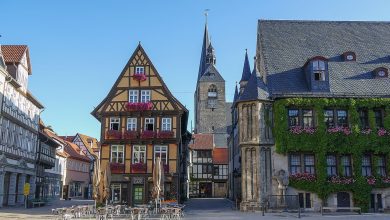
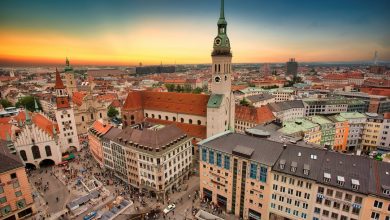
For another historic German town, compare Quedlinburg; for a larger city break, read our Munich guide. Use the Europe hub to plan the wider journey. Next step: check your dated arrival train and choose two priority Roman sites before reserving your Trier stay.
Photo: Lothar Spurzem / Wikimedia Commons, CC BY-SA 2.0 DE. Display copy automatically scaled and optimized by WordPress.