Switzerland Trip Advisor | Skiing, Hiking & Scenic Train Rides
Switzerland Travel Guide: Things to Do in 2026
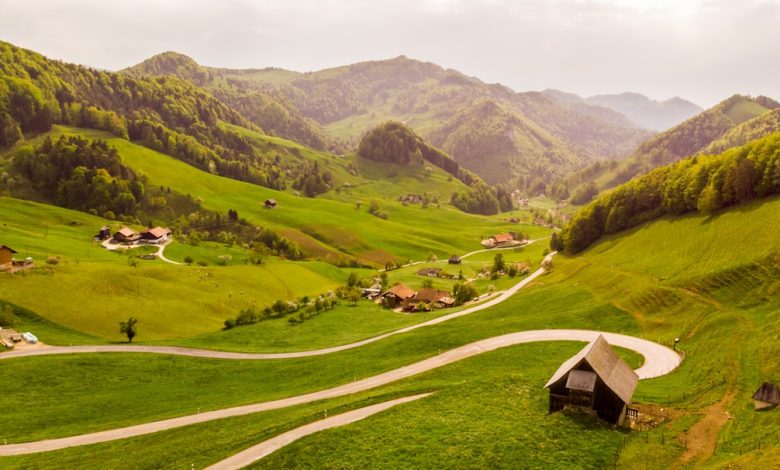
Switzerland is easy to navigate by public transport, but distances, mountain weather and seasonal operations still shape a good itinerary. The simplest first trip is to choose one city or lake base and one mountain region, then travel between them without changing hotels every night. Four or five days suits a focused visit; a week gives more room for either hiking or winter sports.
Choose your route around the season and your interests
| If you want… | Build around… | Check before booking |
|---|---|---|
| City culture and lakes | Zurich, Lucerne or Bern, with a nearby day trip | Museum days, local transit and whether your hotel base reduces transfers. |
| Marked walks and mountain scenery | One alpine region such as the Bernese Oberland, Valais or Graubünden | Trail status, cableway operations, snow and forecast for the specific route. |
| Skiing or snowboarding | A resort chosen for your ability, lessons and access | Opening dates, snow report, lift operations and the resort’s current piste map. |
| Scenic rail travel | A route-linked itinerary rather than a checklist of distant towns | Current timetables, any required seat reservations and pass coverage. |
A comfortable five-day plan
- Day 1: arrive and settle. Stay near a station or central transit, take an easy walk and avoid a long onward connection after an international flight.
- Day 2: city or lake day. Explore one historic center, waterfront or museum cluster. Check opening days and reserve only the activities that require it.
- Day 3: move to a mountain base. Travel in daylight and leave time for check-in. If the weather is poor, use a village, museum or lower-elevation option.
- Day 4: one outdoor objective. Pick a route appropriate to your experience, fitness and equipment. Check the trail description, official map, transport back and local conditions before setting out.
- Day 5: flexible morning and departure. Do not schedule a high-mountain excursion immediately before a flight or international train.
For seven days, add a second day in the mountain region or a third base only if it changes the experience meaningfully. A single base can work well for a short city break; a multi-region trip is more rewarding when transfer times are treated as part of the itinerary.
Transport and passes: compare before you buy
Use the SBB timetable to plan point-to-point journeys and check live departure information. A Swiss Travel Pass can simplify extensive travel, but it is not automatically the cheapest choice for every short itinerary. Compare the pass with individual tickets and check the validity map for mountain railways, boats and local transport on your exact route. Some attractions or mountain services may require a separate ticket or reservation. SBB notes that the pass is for visitors whose permanent residence is outside Switzerland and Liechtenstein; carry the original passport or ID required for inspection.
For a city-focused trip, choose lodging near a station or tram/bus stop. In mountain areas, confirm how you will reach the hotel with luggage and whether the final lift or bus operates when you arrive. A rental car can help for rural stops, but it is not essential for a rail-based route and may add parking and winter-driving decisions.
When to go and how to stay safe outdoors
There is no single “summer hiking season” for every altitude. Lower walks may be accessible while high routes still have snow or closed facilities; winter paths and ski areas also open on their own schedules. Check the official trail and lift status close to departure, watch the forecast, and carry layers, water and a charged phone. Use marked trails and choose a route that matches your experience; SwissTopo explains the difference between hiking and alpine trail markings.
For snow sports, confirm the resort’s operating dates and current conditions directly before purchasing non-refundable travel. If a route is closed or the weather changes, take the safer alternative rather than pressing on for a viewpoint.
Make the rail-pass decision after choosing your route
Write down every planned travel day, including the journey from the airport and the final trip back. Price the same route as individual tickets, then compare the pass that actually covers those days. Separate the cost of mountain excursions and seat reservations from the base rail fare: an included railway journey does not mean every panoramic seat or summit trip is included.
SBB offers consecutive-day and Flex versions of the Swiss Travel Pass. A stay with several days in one city may suit a different arrangement from a trip that changes regions frequently. Before paying, check the current validity map and the terms for each excursion on SBB’s official pass page. Keep a weather-dependent mountain day movable rather than buying every excursion for a fixed date.
Booking checklist
- Set the season and choose one or two regions.
- Book accommodation around stations or the transport serving your planned activities.
- Compare rail tickets and passes after the route is fixed.
- Reserve limited-capacity experiences only through the official operator.
- Recheck trail, lift, weather and timetable notices just before travel.
Continue planning: choose your two bases first. If you are comparing another compact alpine-and-coast holiday, read our Slovenia five-day itinerary, then browse the wider Europe travel hub or our Paris three-day plan.
Sources checked: SBB Swiss Travel Pass guidance, SBB advice for visitors, Switzerland Tourism hiking information, and swisstopo trail classifications. Verify specific pass coverage, operating dates and route conditions before booking.