New Zealand Itinerary: 7, 10 or 14 Days by Island
New Zealand Travel Guide: Things to Do in 2026

Start with one decision: how much of your New Zealand trip do you want to spend changing bases? With seven days, stay on one island. With ten days, combine a short North Island stay with one South Island region if flights line up. With two weeks, a slower route on both islands becomes easier. This New Zealand travel guide shows what to keep, what to cut and where to leave room for weather.
Choose your New Zealand itinerary
| Time available | Route to consider | What to leave for another trip |
|---|---|---|
| 7 days, North Island | Auckland and Rotorua, with an optional Taupō outing | Adding both the Bay of Islands and Wellington |
| 7 days, South Island | Queenstown and Te Anau, with a day for Milford Sound | The West Coast glaciers and a long drive to Christchurch |
| 10 days, two islands | Auckland, Rotorua, Queenstown and Te Anau, with a flight between islands if available | Trying to see the full length of both islands |
| 14 days, two islands | Auckland and Rotorua, then Queenstown, Te Anau and one extra South Island base | A second outlying region if it costs the weather buffer |
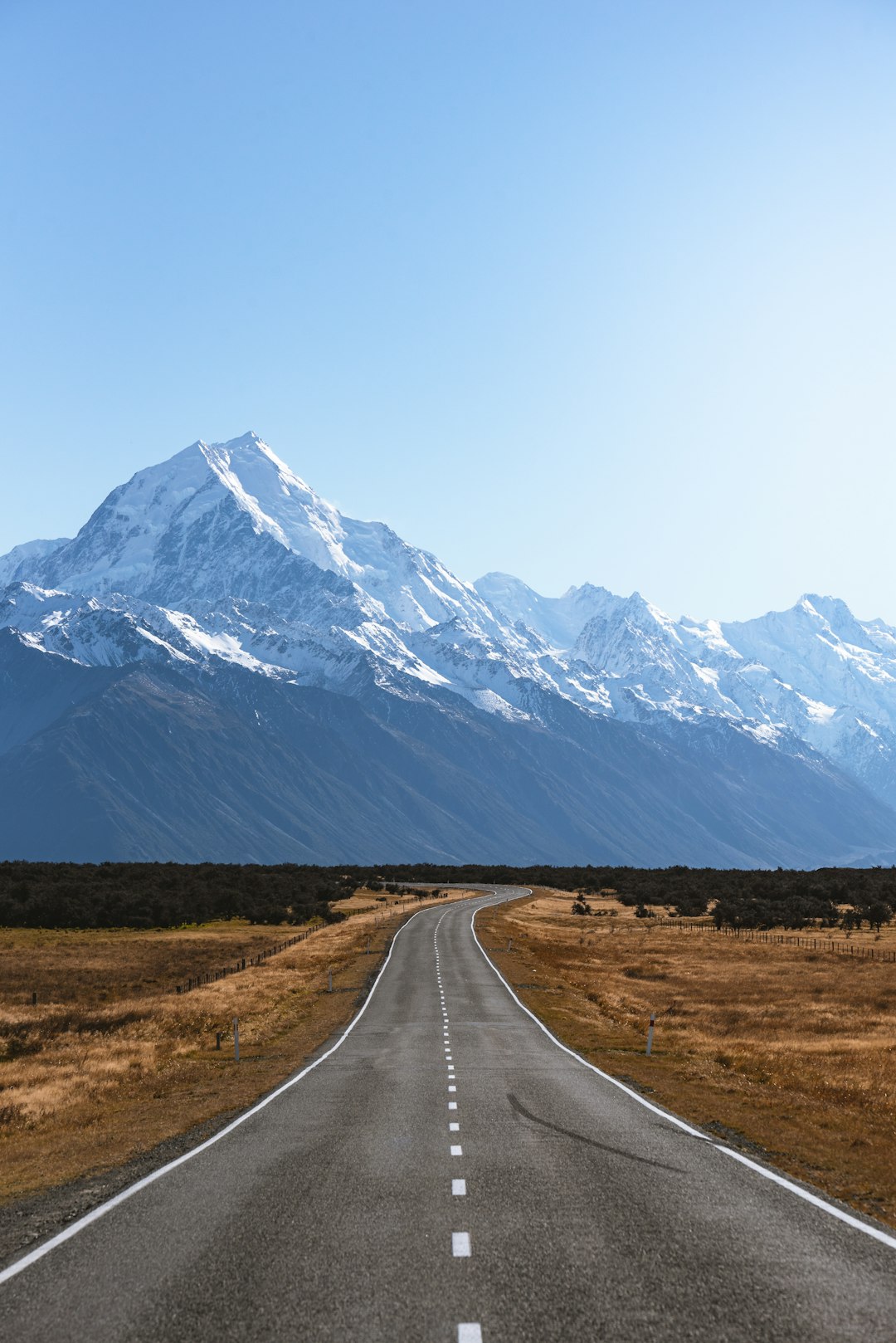
Seven days on one island
North Island for culture and geothermal landscapes
Spend the first two nights in Auckland. Use the first day for an easy waterfront walk, then choose between a museum visit and a harbour outing on the second. Our Auckland guide helps you choose a base. Move to Rotorua for geothermal landscapes and Māori-led experiences. At a place such as Te Puia, decide whether your main interest is the landscape, carving and weaving, or a hosted cultural programme. Read what your ticket includes and follow the host’s lead on photography.
Keep a flexible day in Rotorua. If your group wants to see Taupō, use that day for a single outing. If you would rather spend more time with a local guide, leave it free. Return towards your departure airport before the final day if the flight is early. An overnight near the airport can be a better use of time than a rushed morning transfer.
South Island for lakes, mountains and Fiordland
Use Queenstown for arrival and lakeside time. Stay in Te Anau if Milford Sound / Piopiotahi is the reason for the trip. It lets you start the Milford Road leg from closer to the national park. Decide whether to drive or join a coach and cruise before booking. For a self-drive, check the road separately from your cruise booking. The Department of Conservation’s Milford Road guide explains access and route conditions.
Keep the next day flexible. If access is disrupted, stay near Te Anau and ask the local visitor centre which short walks are open. If conditions are suitable and the Milford outing runs as planned, spend the buffer day on the lakeshore or return to Queenstown at a comfortable pace. Save an adventure activity for a day without a long drive or a flight.

A 10-day first trip across both islands
- Days 1–2: Auckland. Start with the waterfront and a meal near your base. Choose a museum, a neighbourhood walk or a harbour outing for your full day.
- Days 3–4: Rotorua. Plan one geothermal visit and one Māori-led experience. Leave half a day open so your time with a host does not compete with a tight transfer.
- Day 5: Inter-island transfer. Build this day around the flight you can actually book. Confirm the departure airport, baggage and ground transfer before reserving accommodation on both sides.
- Days 6–8: Queenstown and Te Anau. Use Queenstown for an easy lake day, then move to Te Anau for Milford Sound. Keep any onward drive short on the cruise day.
- Days 9–10: Buffer and departure. Keep day nine free if Fiordland is the priority. On day ten, allow time for the return drive and rental-car drop-off if you fly out of Queenstown.
Where to spend the extra days on a two-week trip
Choose one extension based on what you would miss most. For wildlife and city heritage, head to Dunedin and the Otago Peninsula. Give the peninsula its own day and pick one responsible wildlife operator. Follow guide instructions and leave room for a sighting-free day. For North Island architecture, food and wine, consider Napier and Hawke’s Bay instead. Work that stop into the North Island leg and check how it changes your departure airport and transfer day.
If mountain walks are the priority, spend the extra nights near one South Island walking area instead of adding another city. For a Great Walk, check the Department of Conservation’s route information, current alerts, transport and any required bookings before you commit. Choose a shorter low-level option for bad weather. A scenic lookout and a multi-day track require different time, gear and experience.

What to book and check before you leave
- Entry: Use Immigration New Zealand to check whether your passport and route require an NZeTA or visa. Check transit requirements as well as entry.
- Biosecurity: Clean used hiking boots and outdoor equipment. Check the official declaration guidance for food and other risk items and declare them on arrival as required.
- Transport: Verify the inter-island flight or ferry, where you collect or return any rental vehicle, and whether the operator allows it on the ferry if you take one.
- Weather: Save the road and park information for the areas you will visit. Recheck alerts before longer drives and walks. Keep a nearby plan you can use if an alpine or boat outing is cancelled.
- Bookings: Reserve any hard-to-replace flight, overnight base or guided visit before filling the flexible days. Read cancellation and change terms before paying.
How to check whether your route fits
Before you book, write down each overnight base and what must happen on the day you move. Use these steps to find the first place where your plan depends on a tight connection.
- Step 1: Count full days. Mark arrival, departure and transfer days on a calendar. Pick the days that are left for the experiences you care about most.
- Step 2: Check the weakest link. Verify the exact flight, ferry or coach and its pickup point. Include time to return the car, collect bags or reach the next hotel.
- Step 3: Make a backup plan. Write down what you would do if your main activity were cancelled. Pick a second activity that works under different conditions.
- Step 4: Cut a stop if the route still feels tight. Keep the experience you came for and drop the transfer that adds the least.
Example: If your Te Anau stay gives you one possible cruise day and the next morning is your flight, move a night from Queenstown to Te Anau or shorten the route elsewhere. Write down the last time you can safely start your return journey. If the cruise is cancelled, you can try the buffer day or spend it locally, depending on conditions.
Frequently asked questions
Can I visit New Zealand without renting a car?
Yes, if you build around a few bases and book connections first. Use scheduled transport between cities and a confirmed coach or guided outing for places where local links are limited. Check the pickup address, the return time and how you will reach your hotel from the last stop.
Should I fly or take the ferry between islands?
Compare both using door-to-door time. A flight may fit a short trip that skips Wellington and Picton. A ferry suits a route that already includes those towns. Add time for terminal transfers, vehicle handover and check-in before choosing.
How do I make room for local food?
Leave one evening unbooked in each main base so dinner can fit the day. Try seafood where it interests you, or plan a Hawke’s Bay producer visit if food is a main reason for the trip. If a hosted hāngī is part of your plans, confirm whether the meal is included and ask your host about dietary needs in advance.
For more ways to pair New Zealand with a longer regional trip, see the Oceania travel hub.
Book the crossing before the next hotel
Compare an inter-island flight with a Wellington–Picton ferry by counting travel from one hotel door to the next. Check the fare, luggage, car handover and check-in together. A ferry crossing fits a route with time to reach Wellington and continue from Picton; it does not replace a direct flight between distant bases. The Interislander timetable and booking information gives a starting point for checking the crossing. Keep the booking flexible if your next long drive depends on it.
Your next step: Mark the actual crossing and its backup on your calendar. If your North Island route goes past Matamata, use our Hobbiton departure comparison to decide whether to add a stop or stay overnight. If a ferry brings you through Wellington, compare Zealandia by day or at night before fitting it into a transfer day.


7 Comments