Discover London with London Trip Advisor | History, Culture & Modern Charm
London Travel Guide: Things to Do in 2026
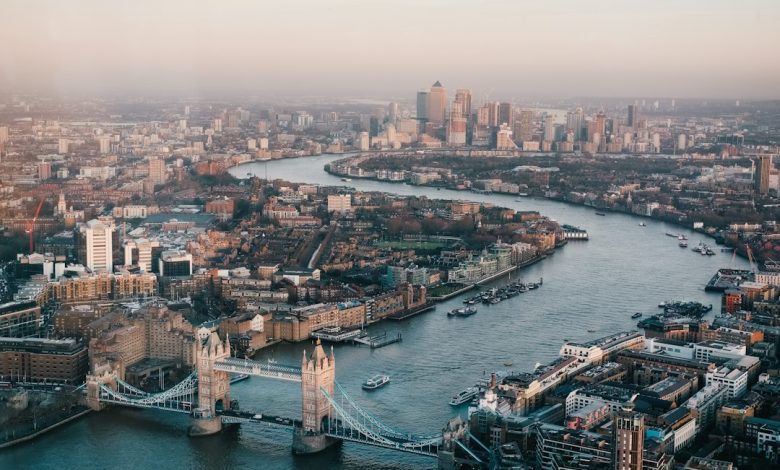
Embarking on an adventure through the bustling streets and historical echelons of England’s beloved capital city can be as daunting as it is exciting. However, with the right London Trip Advisor, any avid explorer can unlock the full spectrum of experiences that this diverse metropolis has to offer. From the iconic Big Ben to the contemporary art housed within the Tate Modern, navigating the multifaceted attractions is an endeavor worth every step. In this guide, we shall traverse the cultural, culinary, and historical treasures of London, ensuring your journey is as seamless and enriching as possible.
Before planning your daily routes, it helps to understand how the city flows. To widen your European vacation planning beyond the UK, you might also want to review resources like our comprehensive Europe Trip Advisor. London bridges millennia of royal history with sleek, modern infrastructure, making it one of the most rewarding cities in the world for first-time visitors and seasoned travelers alike.
Planning Snapshot and Best Time to Visit
Timing your trip correctly can completely transform your experience of the British capital. London enjoys distinct seasons, each offering a totally different atmosphere. Spring (March to May) brings blooming parks like Hyde Park and Regent’s Park, accompanied by milder temperatures and fewer peak-season crowds. Summer (June to August) delivers long daylight hours, bustling outdoor markets, and major sporting fixtures, though accommodation rates reach their annual peak and popular sites experience significant queues. Autumn (September to November) cools the city down with stunning amber foliage, crisp morning walks, and world-class indoor exhibitions as the cultural season ramps up. Winter (December to February) blankets the city in festive lights, ice rinks, and cozy pub atmospheres, though days are short and temperatures drop.
Official tourist bodies such as VisitLondon recommend booking major ticketed attractions well in advance, particularly during school holidays and summer peaks. Checking opening hours and transit updates directly via Transport for London before setting out prevents unexpected delays and ensures your itinerary stays right on track.
Exploring the Heart of London: Must-Visit Historical Landmarks
When it comes to historical landmarks, London is a treasure trove of cultural heritage. A true London Trip Advisor would not be complete without a list of the must-visit sites that tell the tales of the city’s storied past. Whether you are a history buff, an art connoisseur, or simply seeking to immerse yourself in the essence of this vibrant metropolis, these landmarks are essential stops on your journey. Here’s where to start:
- Tower of London: Home to the Crown Jewels and the site of numerous key events in British history, the Tower of London is an iconic symbol of the city. Its role has evolved from a royal palace to a fortress and even a prison.
- Westminster Abbey: A Gothic masterpiece, the Abbey has been the coronation church since 1066 and is the final resting place for 17 monarchs. It’s a poignant chronicle of British achievement through its tombs, memorials, and sculptures.
- Houses of Parliament: Instantly recognizable by its towering clock, Big Ben, the Houses of Parliament stands as a symbol of democracy and political history. Visitors can tour the parliamentary chambers and learn about the British legislative process.
- Buckingham Palace: As the residence of the Royal Family, Buckingham Palace is a focal point for royal ceremonies and pomp. The Changing of the Guard is not to be missed for a taste of Britain’s living traditions.
- The British Museum: Although not a landmark in the traditional sense, this museum houses an extraordinary collection that spans over two million years of human history. Entry is free, and it offers an insightful survey into the past civilizations that have shaped our world.
For the eager explorer, these historical landmarks are just the beginning of the vast canvas that is London. Each site carries its own unique narrative, contributing to the rich tapestry of this city’s history, ensuring that your London Trip Advisor experience is both educational and unforgettable. Remember, while it’s tempting to rush through these sites, taking the time to fully engage with their stories will enrich your understanding of London’s grandeur.

Navigating London’s Public Transportation System: Tips and Tricks
When visiting the bustling city of London, understanding the public transportation system is crucial to an enjoyable trip. This section will provide you with invaluable tips and tricks for getting around efficiently and cost-effectively, relying primarily on the official Transport for London (TfL) network guidelines.
First and foremost, consider getting an Oyster Card or a contactless payment card to travel across buses, trams, the Underground (Tube), Overground, and most National Rail services. Here’s a quick comparison:
- Oyster Card: Preloaded with a specific amount, offers daily capping, but requires a small refundable initial deposit.
- Contactless Payment Card: Charges based directly on usage with no need to top-up, no deposit required, though foreign transaction bank charges may apply depending on your card issuer.
Using either of these options typically results in a significantly lower fare than buying traditional paper single tickets. When navigating the Tube, keep in mind that rush hours occur between 7:30 AM and 9:30 AM and between 5:00 PM and 7:00 PM on weekdays, during which crowds peak. Always keep a digital or physical Tube map on hand to plan routes. For buses, note that they do not accept cash; you must use an Oyster card, contactless card, or mobile device, and you only need to tap in upon boarding.
Moreover, downloading apps like Citymapper or the official TfL Go app allows you to track live arrivals and navigate disruptions easily. If you are staying in London for a week or longer, a weekly Travelcard may offer unlimited travel within specific zones. Finally, remember that walking between certain stations in Central London is often quicker than taking the Tube, allowing you to discover hidden architectural gems along the way.
Your Ideal 3-Day London Itinerary
To make the absolute most of a short break, structuring your days geographically prevents wasted travel time. If you enjoy rapid urban pacing, you might also find inspiration in our tailored Paris in 3 Days Itinerary for future European city breaks. Here is a balanced three-day blueprint for London:
- Day 1: Westminster & Royal Heritage: Start your morning early outside Buckingham Palace for the Changing of the Guard. Walk through St. James’s Park toward Whitehall and Downing Street, then spend your afternoon exploring Westminster Abbey and taking photos outside the Houses of Parliament and Big Ben. Conclude with an evening ride on the London Eye for panoramic views of the illuminated skyline.
- Day 2: Culture, Museums & South Bank: Dedicate your morning to the colossal exhibits of the British Museum. Afterward, take a leisurely stroll down to the River Thames, cross the pedestrian Golden Jubilee Bridges, and walk the vibrant South Bank. Spend your afternoon exploring the world-class modern art galleries inside the Tate Modern and walk across the striking Millennium Bridge to St. Paul’s Cathedral.
- Day 3: Markets, Shopping & West End Theatre: Spend your morning wandering through the eclectic stalls of Camden Market or hunting for antiques along Portobello Road. In the afternoon, explore the high-end department stores of Oxford Street and Regent Street, or browse the independent boutiques of Carnaby Street. Wrap up your trip by catching a world-famous musical or play in London’s historic West End.
Experience London’s Culinary Delights: A Foodie’s Paradise
London is a bustling metropolis that is as much a feast for the tastebuds as it is for the eyes. Whether you’re a gourmet aficionado or just someone who appreciates a good meal, this travel guide section will tantalize your palate with the myriad culinary experiences the city has to offer:
- Traditional British Fare: No guide is complete without mentioning the classics. Delve into savory meat pies, authentic fish and chips, and the quintessential Sunday roast. Visit a historic neighborhood pub for a pint of local ale and true British hospitality.
- Afternoon Tea: Elevate your trip with an elegant afternoon tea experience, indulging in delicate finger sandwiches, freshly baked scones with clotted cream and jam, and fine pastries accompanied by loose-leaf tea.
- International Cuisine: London’s diverse population grants access to authentic global flavors, from the aromatic spices of Brick Lane’s curry houses to bowls of aromatic Vietnamese pho in East London.
- Street Food and Markets: Dynamic street food markets offer casual ways to sample gourmet bites. Borough Market and Camden Market are absolute hotspots for foodies seeking fresh, innovative eats.
- Michelin-Star Dining: Travelers looking to splurge will find London’s array of Michelin-starred restaurants an unmatched haven of avant-garde gastronomy and reimagined British heritage recipes.
Uncovering London’s Best-Kept Secrets: Off the Beaten Path
For travelers yearning to experience London beyond the iconic sights, diving into the city’s best-kept secrets offers a truly unique perspective. Integrating these lesser-known spots into your itinerary creates an experience that feels deeply personal and authentic:
- Leighton House Museum: Nestled in Kensington, this museum showcases opulent 19th-century aesthetics, highlighted by a breathtaking Arab Hall featuring intricate Islamic tiles.
- Daunt Books: A bibliophile’s dream in Marylebone, famed for its long oak galleries, skylights, and travel-centric book organization that offers a serene literary retreat.
- Postman’s Park: Tucked away near St. Paul’s Cathedral, this quiet green space features a poignant ceramic tile memorial honoring everyday heroes who lost their lives saving others.
- Wilton’s Music Hall: The oldest surviving grand music hall in the world, hosting intimate theatrical performances and live music within a wonderfully atmospheric, un-restored setting.
- Seven Noses of Soho: Embark on a quirky walking scavenger hunt to track down the discrete plaster noses sculpted into walls throughout Soho by artist Rick Buckley.

Finding Accommodation in London: From Budget to Luxury
Finding the right place to rest after a busy day of sightseeing requires balancing location, style, and budget. For solo travelers and groups seeking a social atmosphere, centrally located hostels offer economical beds. Budget hotels and family-run guesthouses provide private rooms and cozy touches without excessive luxury price tags. If you prefer upscale comfort, boutique hotels in areas like Soho and Shoreditch offer distinct design character, while grand luxury establishments in Kensington and Mayfair deliver five-star service.
Booking Priorities and Common Mistakes to Avoid
To ensure your holiday runs smoothly, keeping a few practical travel principles in mind can save you both money and frustration. First-time visitors frequently make avoidable logistical errors that can dampen an otherwise wonderful trip. Review these common pitfalls before departure:
- Booking Too Late: Major ticketed attractions, popular West End shows, and central accommodation sell out weeks or months in advance, especially during spring and summer. Secure high-priority bookings early.
- Ignoring Transit Zones: When booking accommodation outside central London to save money, factor in the added daily cost and time of commuting through multiple fare zones on the Tube.
- Relying Solely on Cash: London is almost entirely a cashless city. Always ensure you have a contactless bank card or mobile payment setup ready for transport, dining, and shopping.
- Failing to Check Operating Hours: Many museums and attractions require timed entry slots or close on specific weekdays. Always cross-reference official schedules online prior to your visit.
Frequently Asked Questions
Do I need to tip in London restaurants?
Tipping is not as mandatory in London as it is in some other countries. Many restaurants automatically add a discretionary service charge of around 12.5% to the bill. Check your receipt before leaving an additional tip.
Is tap water safe to drink in London?
Yes, London tap water is strictly tested and entirely safe to drink. Carrying a reusable water bottle and filling it up throughout the day is both eco-friendly and budget-friendly.
What is the best way to pay for public transport?
Using a contactless bank card or smartphone payment wallet (like Apple Pay or Google Pay) at ticket barriers is the easiest and most cost-effective method for most visitors.
Continue Planning Your Trip
Explore more expert travel guides, itineraries, and destination tips across Europe.




One Comment