Tartu in 3 Days: Museums, Books and Creative Neighbourhoods
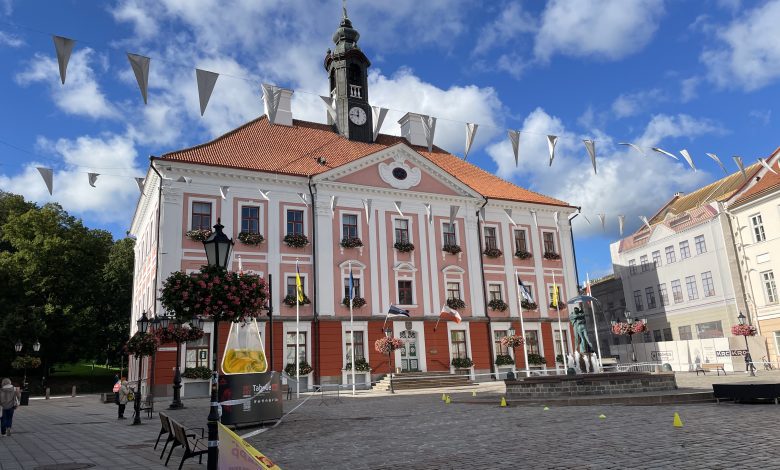
Tartu is a good choice when you want a European city break with museums, cafés and time to wander rather than a race between landmarks. Estonia’s university city gives a three-day trip a clear theme: ideas, everyday culture and neighbourhood life. Stay centrally, choose a few substantial visits and leave space for the Emajõgi riverfront.
Tartu at a glance
| Decision | Practical starting point |
|---|---|
| Days needed | Three full days; two for a shorter museum-and-old-town visit. |
| Useful base | Old Town or the central riverfront, with arrival access checked. |
| Getting around | Walking centrally; a bus or taxi for outlying stops. |
| Book first | Accommodation, intercity transport and any specialist guided visit. |
When to visit: choose walking time or indoor culture
For a first visit with plenty of outdoor wandering, compare late spring and summer dates. In autumn, balance neighbourhood walks with museums and warm café breaks. Winter can suit an indoor cultural trip, but plan for short daylight hours and potentially slippery walking routes rather than copying a summer schedule.
Visit Estonia’s Tartu guide lists current events and local highlights. Check the actual calendar before booking around a festival; a recurring event’s previous dates are not a promise for your year. Pack layers and a rain option in any season.
A practical three-day Tartu itinerary
Day one: Old Town, Toome Hill and the university
Begin at Town Hall Square, then walk towards the university and Toome Hill. Rather than visiting every museum building, pick the subject that interests you most. The University of Tartu Museum’s visitor information distinguishes the cathedral museum, university art museum and Old Observatory.
Make the cathedral museum your main visit if university history appeals. Allow time to explore the hill afterwards and return for an unhurried meal. Check today’s openings and exhibition access before heading uphill; a beautiful building exterior does not mean every interior is available.
Day two: Estonian culture in depth
Give the Estonian National Museum a substantial part of the day. It is a different outing from the compact Old Town, so check your bus or taxi route before leaving. Review the museum’s current ticket options and choose the exhibitions you want, rather than assuming every ticket includes every space.
Leave the later afternoon for a riverfront walk or a quiet gallery visit. Ask about accessibility, seating and English-language interpretation if these matter to your group. With children, a shorter focused visit and a proper break may work better than trying to finish the entire museum.
Day three: creative neighbourhoods and café time
Explore Aparaaditehas and the wooden-house streets of Karlova, choosing a café or design stop that welcomes visitors. These are places of work and everyday life, so respect residential privacy and ask before photographing people or entering a studio.
Alternatively, spend more time around Supilinn and the river if walking is your priority. Tartu’s literary identity makes a bookshop or reading break a natural part of the trip. Keep the final afternoon flexible for a favourite museum, bad weather or your onward journey.
Getting to Tartu and around town
Compare train and coach journeys for your actual arrival point. For trains, use Elron’s current journey information; the city’s rail guidance also directs visitors to the operator. Check the station, luggage arrangements and onward hotel transfer rather than booking only the intercity leg.
A central base makes much of this itinerary walkable. For municipal journeys, confirm Tartu’s current ticket and validation arrangements. A car is unnecessary for the city plan; add one only if a separate regional itinerary justifies it.
Where to stay and what to budget
Old Town: useful for a first visit focused on the university, cafés and central walks. Ask about evening noise, stairs and the nearest luggage drop-off.
Central riverfront: compare it if transport connections and a quieter arrival routine matter. Check walking routes to your chosen museums; river views alone do not establish convenience.
Build your budget from actual room quotes, intercity tickets, museum admissions, meals and local journeys. Compare what each museum ticket covers. Do not buy a pass or bundle without calculating the visits you realistically intend to make.
Common questions and booking mistakes
Can Tartu be a day trip?
Yes, but travel can consume a large part of the day. One night gives you an evening and a less rushed morning; three days allow the deeper museum-and-neighbourhood plan above.
What should I reserve in advance?
Book your accommodation and essential transport first. Reserve a specialist guide or particular dinner if it is central to the trip, and keep less constrained stops flexible. Check current official Estonia travel advice and entry requirements for your nationality before departure.
Continue planning
Building a wider Baltic journey? Read our Riga three-day itinerary, then check your own onward transport dates. For another culture-focused city break, compare Pécs’s heritage and design route. Use the Europe planning hub to choose the next stop.
Researched on 7 October 2026; no recent personal visit is claimed. Featured photo: Tartu Town Hall, by Ypsilon from Finland, Wikimedia Commons, CC0 public-domain dedication; displayed in resized versions.
One Comment