Pécs in 3 Days: Heritage, Design and Food
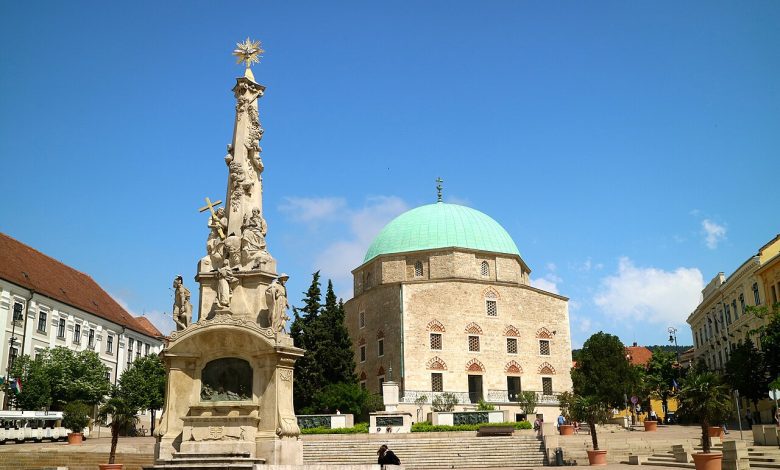
Pécs is a compact southern Hungarian city where Roman tombs, Ottoman architecture, Zsolnay ceramics and contemporary student life sit within walking distance. It suits travellers who want a culture-led alternative to adding another capital city. Three days allow the major heritage sites and one flexible outdoor or wine-country option without treating Pécs as a rushed stop from Budapest.
Pécs at a glance
| Recommended time | 3 days; 2 days for the historic centre only |
|---|---|
| Best for | Archaeology, architecture, ceramics, museums and relaxed cafés |
| Main decision | Mecsek nature time or an additional museum and neighbourhood day |
| Book first | Central hotel and limited-entry heritage or guided visits |
When to visit Pécs
Spring and early autumn are comfortable choices for walking and combining the city with the Mecsek hills. Summer brings long days and events but can be hot; winter offers a quieter cultural break with shorter daylight. Check the official Visit Hungary and venue calendars for current exhibitions and festivals rather than planning around an undated event list.
A practical three-day Pécs itinerary
Day 1: Széchenyi Square and the layered centre
Start in Széchenyi Square, where the former Mosque of Pasha Qasim—now a church—makes the city’s Ottoman history immediately visible. Walk Király Street, the cathedral area and the surviving Barbican, pausing rather than trying to enter every museum. Pécs is compact, but its hills and stone streets reward supportive shoes.
Use the afternoon for one collection that matches your interests, such as Hungarian art, local archaeology or the Zsolnay story. Opening days and exhibition locations can change, so confirm directly with the museum. In the evening, remain in the centre for cafés and restaurants instead of adding a remote attraction.
Day 2: UNESCO early Christian heritage
Allow focused time for the Early Christian Necropolis of Sopianae. The painted tombs and memorial structures form a UNESCO World Heritage Site that explains Pécs long before its Ottoman and Habsburg layers. A guided visit or careful interpretation adds far more value than a quick photograph.
Continue around the cathedral precinct, then leave free time for the Csontváry or Vasarely collection if open. Resist combining the necropolis, three museums and the Zsolnay Quarter in one day; indoor cultural visits become less meaningful when compressed.
Day 3: Zsolnay Quarter or Mecsek hills
Choose between design and landscape. The Zsolnay Cultural Quarter occupies the former porcelain-factory area and brings together exhibitions, architecture and performance spaces. Consult the quarter’s official programme for current access.
For an outdoor alternative, take a local bus or taxi toward the Mecsek hills and select a signed route suited to the weather and your experience. Carry water and a map; do not assume every attraction or path operates on the same seasonal timetable. A third possibility is a pre-arranged excursion toward Villány for wine culture, with a driver or public transport plan that avoids drinking and driving.
Food and pace
Leave one meal unscheduled for a market, bakery or seasonal menu, and ask about regional ingredients rather than chasing a fixed “must-eat” list. Pécs has a university-city rhythm: some streets are livelier during term, while Sundays and public holidays can be quiet. Check restaurant days directly and keep a backup near your hotel.
Getting there and moving around
Pécs is connected with Budapest by rail and coach. Check the current journey and any engineering changes directly with MÁV before departure; do not build a tight airport connection around an assumed timetable. The historic centre is best explored on foot, while local buses help with the Zsolnay area and Mecsek access.
Stay near Széchenyi Square or the cathedral for the easiest first visit. Accommodation around the station can help with an early departure but offers less atmosphere in the evening. Three nights in one hotel are more efficient than moving for a short trip.
Booking priorities and common mistakes
- Check museum closing days; many cultural venues do not follow identical schedules.
- Reserve a guided heritage visit if interpretation is important to you.
- Do not treat Pécs as a same-day race from Budapest when three days are available.
- Use the Hungarian spelling “Pécs” in map searches, while noting that some systems omit the accent.
- Keep one half-day flexible for weather or an exhibition change.
Quick Pécs FAQ
Is Pécs a day trip from Budapest?
It is possible, but three days better justify the intercity journey and allow the UNESCO site, museums and Zsolnay Quarter without rushing.
Do you need a car?
No for the centre. Rail or coach reaches the city, walking covers the core, and local buses serve outer sights. A car is useful only for a wider Baranya or Villány route.
Should tickets be booked ahead?
Check official venue calendars first. Reserve timed or guided heritage visits and special performances; ordinary museum entry may be easier, subject to current capacity.
Continue planning
Link Pécs with the Budapest guide for a two-city Hungary trip. The Bratislava guide offers another compact Central European comparison, while the Europe planning hub helps build a wider rail route.
Photo credit: Erik Cleves Kristensen via Wikimedia Commons, licensed under CC BY 2.0.

One Comment