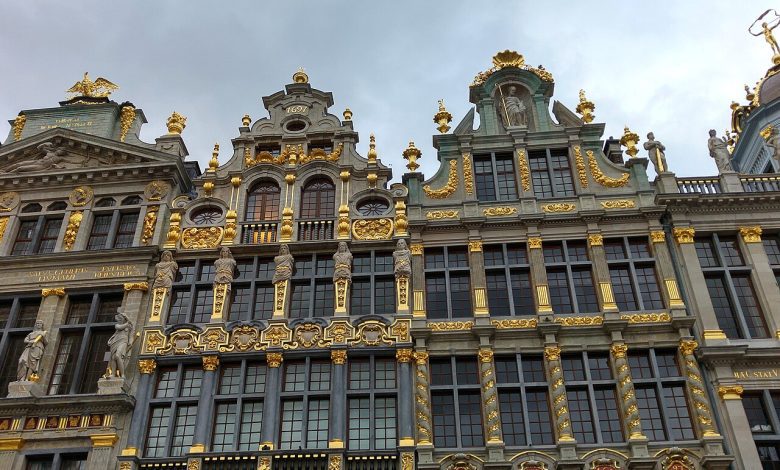
Featured photo: acediscovery, Wikimedia Commons source, CC BY 4.0. Resized; the theme may crop it for display.
Brussels works best when you choose a few interests rather than collect every landmark. The Grand Place, museums and neighbourhood cafés fit a compact city break, but the Atomium and outlying districts need their own time. This research-based Brussels guide suggests three full sightseeing days, with a shorter central route if you only have a weekend.
Brussels at a glance
| Decision | Practical choice |
|---|---|
| Time to allow | Three full days; two for the centre and one museum. |
| Useful first-visit base | Grand Place or Central Station for straightforward walking and rail connections. |
| Main planning constraint | Museum closing days and travel between central Brussels and the Atomium. |
When to visit and how to choose your dates
Spring or autumn can suit walking and museum visits; summer offers long sightseeing days but popular places still need booking. Rain is possible in any season, so pair each outdoor walk with an indoor alternative. For festivals and temporary exhibitions, use the current Visit Brussels programme rather than assume last year’s dates repeat.
Before buying a city pass, write down the specific museums you want and check which days they open. An arrival on Monday can require a different route from a Friday arrival. Treat this itinerary as a sequence you can rearrange, not a timetable that ignores closures.
A realistic three-day Brussels itinerary
Day 1: Grand Place, galleries and a manageable food walk
Start at the Grand Place, giving its guildhouse façades more attention than a quick photograph. Continue through the Royal Saint-Hubert Galleries and make Manneken Pis a brief stop rather than the centrepiece of the day. Leave time for a chocolate shop or café instead of adding another distant attraction.
For lunch, choose a place with a visible menu and clear prices. Belgian waffles come in different styles; chocolate purchases are easier to compare when you check weight as well as the box price. If beer tasting interests you, plan a modest tasting with food and an easy journey back to your hotel.
Day 2: Choose one museum focus
Art lovers can build the day around the Old Masters Museum or Magritte Museum, then walk towards the Sablon. The Royal Museums’ current information says the Fin-de-Siècle and Modern museums are inaccessible; some works are being incorporated into the Old Masters displays. Do not plan a separate visit on the assumption that those museums have reopened.
If comics are your main interest, use the Belgian Comic Strip Center’s actual exhibitions and visitor information. Book only experiences listed by the venue. Afterwards, take a neighbourhood walk or browse shops rather than squeeze in a second major museum simply to justify a pass.
Day 3: Atomium or a quieter neighbourhood day
Choose the Atomium if architecture and views are a priority. Check available tickets and the journey before leaving the centre. Alternatively, keep the day around Ixelles or the Marolles, combining a walk with a café and shopping. Trying to cover both options, several museums and a fixed dinner reservation makes a short visit needlessly rushed.
Transport and Brussels Card: what is actually included?
The Brussels Card transport option is an optional addition; museum access alone does not automatically include unlimited public transport. Atomium access is also offered as an optional addition. Compare the package against your chosen visits, not the headline number of attractions.
Use STIB-MIVB for local metro, tram and bus information, contactless instructions and current disruptions. For airport travel, distinguish Brussels Airport at Zaventem from Brussels South Charleroi Airport. A ticket or transfer serving one does not solve the journey from the other. Check your airline’s actual airport and the operator’s coverage before paying.
Where to stay and what to book first
Grand Place and Central Station are convenient for a first visit, though a room above busy streets may be noisy. Sablon suits travellers who want a central base with an art-and-café emphasis. Ixelles can work for a neighbourhood-focused stay, but compare the complete journey to your planned museums and station.
Reserve accommodation first, then any fixed-entry attraction and the restaurant you most care about. Keep flexible walks between those commitments. Ask hotels about lifts, room access and luggage storage if these affect your arrival day; older buildings vary.
Common questions and mistakes
Can you see Brussels in one day?
You can enjoy the centre and one chosen attraction. The Atomium, several museums and neighbourhood exploration are better spread across a longer stay.
Is a Brussels Card always good value?
No. Add up the current admission prices for the visits you will actually make, check exclusions and decide separately whether you need its transport option.
Avoid treating museum closures as minor details, assuming every airport transfer is covered by a pass, or booking so many paid stops that there is no time to enjoy the city between them.
Continue planning your European city break
Comparing different city breaks? Use our Paris three-day itinerary for another museum-focused option and our Amsterdam travel guide for canals and neighbourhood planning. These are separate destinations, not additions to every Brussels weekend.
Your next step: choose your Brussels museum days, then browse the Europe destination hub to decide whether to extend your trip.
Research and changing visitor information checked on 5 October 2026. Routes and time allowances are editorial planning suggestions; reconfirm tickets and opening arrangements with the venues.