Zealandia Wellington: Day Walk or Night Tour?
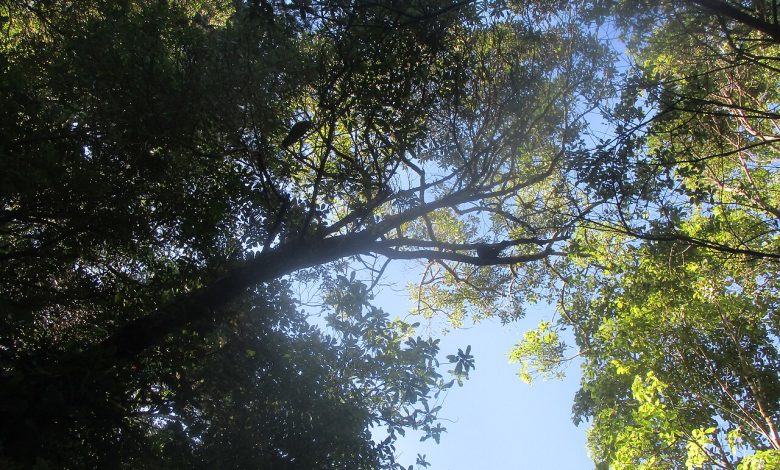
Choose a daylight visit to Zealandia if you want to walk at your own pace and spend time by the lower reservoir. Book a night tour if you want a guided introduction to the sanctuary after dark and can arrange the journey back. Keep half a day free for the visit, or give an evening tour its own slot rather than squeezing it in after a long day out.
The sanctuary’s 2025 annual meeting minutes report about 136,000 visits in the 2024–25 financial year. That is a site-level attendance figure, not a prediction for a particular departure. If a night tour is central to your visit, use the booking calendar rather than relying on the overall number.
Day admission or a night tour?
Day admission: Choose it if you want more flexibility around weather, walking distance or the attention span of younger visitors. Allow time for the visitor centre and a lower-valley loop or an out-and-back walk. If it is your first visit and you want help identifying birds, compare an available daytime tour with general admission.
Night tour: Choose it for the experience of walking with a guide as the forest changes after dark. A kiwi sighting is possible but is not something you should plan around. Use the sanctuary’s visit planner to check departure time, price, age guidance and access information. Check whether a separate daytime ticket makes sense for you before trying to do both.
Where to stay and how to get there
Stay in central Wellington if you are combining Zealandia with several other city stops. Put your accommodation, the sanctuary entrance and your return connection on a map. The sanctuary advertises a free daytime shuttle from the city, with regular buses also serving the area. Check its current pickup points and timetable. Do not assume the daytime shuttle will be available when the evening group finishes.
If you are staying in or near Karori, check the walking route and lighting before relying on it at night. If you choose a taxi or other ride, save the exact pickup point. For a daytime trip with a child or a group moving at different speeds, give yourself an easy return option so nobody needs to hurry uphill to catch a connection.
A simple day itinerary
Morning: Start at the visitor centre and check the current track notices. Choose a lower-valley route if you want to combine easy navigation with time to listen and watch. Take a short pause at a suitable viewpoint instead of walking straight through. Many of the best moments on a bird-focused visit happen when the group stops talking and waits.
Midday: Decide if you want to add a second track, take a break or return to the city. Keep the turnaround point easy to change if the weather shifts. Before you leave, note which birds or plants you want to learn about rather than assuming you will identify everything in the field.
Night option: Have an early meal, check in when instructed and let the guide set the pace and rules for lights and noise. Wear layers that still feel warm when the group is standing still. Keep the trip home arranged before you go inside.
Best time and what to bring
Choose a time of day first and a season second. A dry, calm daylight window helps if you want a longer walk, while night tours follow the venue’s published departure calendar. Check MetService’s Wellington forecast before leaving. Pack a rain shell and shoes with grip, and check official track updates if rain or wind has been strong. If you need step-free access, ask which stretches and facilities suit your mobility needs before buying a ticket.
Common booking mistakes
Book the night tour before reserving a fixed dinner or onward journey. Do not book it solely for a sighting. Check your ticket type and whether an advertised track or facility will be open. Allow time for any entry instructions protecting the sanctuary, and leave pets and food for wildlife at home.
Booking checklist
- Choose day admission or confirm your night tour in the operator’s calendar.
- Save the track updates and check the forecast.
- Arrange the return ride, especially after a night tour.
If your Wellington stay is only one night
On a one-night stop, choose a day visit when your arrival or departure is uncertain. It is easier to shorten an independent walk than to move a booked tour. If the night tour is your priority, check into the hotel first, arrange the return ride and leave the following morning light. If you have two nights, choose the evening that gives you the easiest journey back, then leave the following day free for the city.
Your next step: Pick daylight or night, check the return ride and choose one route you can shorten. For a longer trip, use our New Zealand itinerary, compare our Auckland guide and browse the Oceania travel hub.
Featured photograph: August Dominus, source photograph on Wikimedia Commons, CC0 1.0. Display size may be resized by WordPress.


One Comment