Gyeongju in 3 Days: Silla Tombs, Bulguksa and Where to Stay
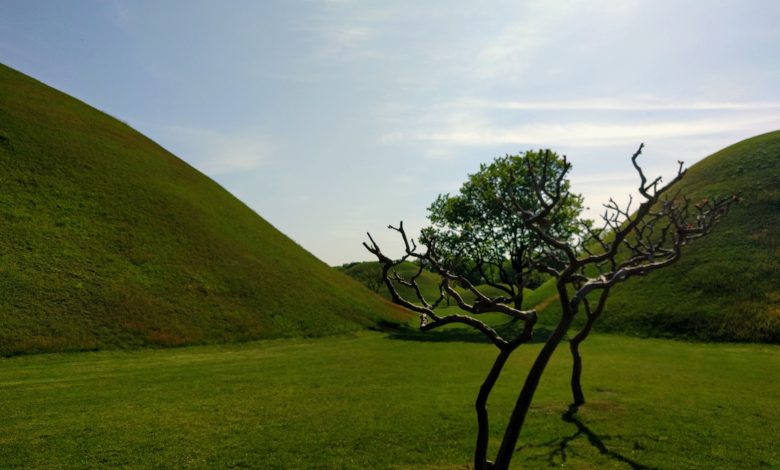
Spend three days and two or three nights in Gyeongju. Use a central base for the Silla-period tombs, museum and evening walks, then give Bulguksa its own half-day or longer. If arriving late from Seoul or Busan, count that as a travel day. Gyeongju’s central sights are compact enough to link on foot, but its major temple sites are not all in the same neighbourhood.
Gyeongju at a glance
| Base | Best for | Check first |
|---|---|---|
| Hwangnidan-gil and the central historic area | Food, tombs and walks back after dinner | Room noise, luggage access and the station transfer |
| Bomun resort area | A larger hotel and time around the lake | Transport into the historic centre and to temples |
| Bulguksa area | A temple-focused stay | Evening meal options and the return to your onward train |
The Korean culture and tourism ministry reported about 569,000 foreign tourist visits to Gyeongju in January–May 2026, up 18.3% on the same period of 2025, citing Korea Tourism Data Lab. This is a measured tourism-data signal, not hotel bookings or a promise that every attraction is busy. The useful response is to give the city an overnight stay rather than a hurried stop between two trains.
Best time to go
Start with spring or autumn if your priority is walking between heritage sites. Blossom dates vary, so choose a good itinerary first and treat peak flowers as a bonus. Autumn can suit the parks and open-air archaeological areas; summer calls for shade, water and an indoor museum block during hot or wet hours. Winter can work for history-focused travellers who are comfortable with cold outdoor walks.
Check the local forecast, holidays and special events before reserving a room. Recent attention following the 2025 APEC summit does not mean you need to copy a high-profile itinerary. Choose the history, food and pace you actually want, and leave a flexible afternoon for weather or a longer museum visit.
Day 1: Daereungwon and the central historic area
Begin with the royal burial landscape
Walk the Daereungwon area and check which tomb interiors or exhibitions are currently open. The grass-covered mounds are burial places, not climbing hills. Stay on designated paths and use the UNESCO Gyeongju Historic Areas profile to put the sites in context. Choose one focused guided visit if you would like more explanation than the signs provide.
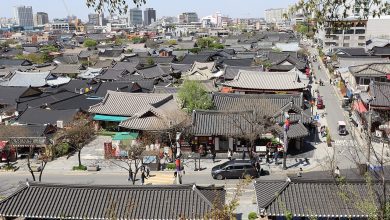
Continue to Cheomseongdae and the nearby historic grounds, then have dinner around Hwangnidan-gil. Many businesses occupy adapted traditional buildings, so choose a restaurant for its food and current menu rather than assuming every hanok-style address is an old family establishment. Return to your hotel on a route you have already checked.
Day 2: Bulguksa, with an optional Seokguram visit
Plan a separate journey to Bulguksa. It is an active temple as well as part of a UNESCO-listed heritage property. Check current access, opening arrangements and any photography restrictions before entering. Follow the signs for footwear and quiet areas. Wear shoes suitable for steps and ask about the accessible route if anyone in the group needs it.
Add Seokguram only after checking the current onward transport, walking approach and return. Do not treat the two sites as next-door stops you can squeeze between trains. If the weather is poor or you want a slower temple visit, leave Seokguram out and return to the centre for a relaxed meal.
Day 3: Museum and an evening option
Visit the Gyeongju National Museum, using its current calendar to check exhibitions and closures. The museum helps connect objects with the landscape you saw on day one. Keep the rest of the day light, especially if you are departing. If staying another night, consider Donggung Palace and Wolji Pond after checking its evening admission and last-entry arrangements. An illuminated view is not a reason to risk a tight final connection.
Hanok stay or conventional hotel?
Compare the room itself, not just the courtyard photograph. Ask whether you will sleep on floor bedding or a raised bed, whether the bathroom is private and whether staff can hold luggage after checkout. A central hanok stay can make evening walks easier, while a modern hotel may better suit travellers who need lifts or more predictable room facilities. Confirm those details directly before choosing.
Transport, booking priorities and common mistakes
- Check your actual station and transfer. Use Korail’s booking information and map the journey to your accommodation; a high-speed rail arrival is not the same as arriving beside the tombs.
- Book lodging and any fixed train first, then confirm local buses or taxis for the temple day. Save your hotel address in Korean and offline.
- Review current South Korea travel advice, forecasts and venue notices before a long outing.
Your next step: Choose two or three nights and a hotel base, then compare the onward journey with our Busan city-and-coast guide, Daegu market itinerary and Seoul guide.
Featured photo: Werwty / Wikimedia Commons, CC BY 4.0. Scaled for display.