Jeonju in 2 Nights: Food, Hanok Stays and Living Culture
A bowl of bibimbap is a good reason to pause in Jeonju. It is an even better reason to stay overnight: without the pressure of a return train, you can make time for a market breakfast, traditional architecture and a second meal that is more than a snack eaten while walking.
Jeonju suits travellers who want food and living culture to shape the route. The Korea Tourism Organization describes it as a city of hanok, traditional arts and regional cuisine. Fresh October 2026 survey findings about culinary learning and local skills support that angle. They are statements of traveller interest, not a Jeonju visitor forecast.
One night or two?
One night gives you an evening and morning around Hanok Village. Two nights is the stronger choice for a first visit: arrive without rushing, spend one complete day locally and leave after a final breakfast. Add longer only for a particular event, workshop or wider regional plan.
Spring and autumn are sensible starting points for a walking-led stay. Check actual festival dates and accommodation availability before treating those seasons as quiet. Summer heat and heavy rain can make extended outdoor walks uncomfortable; winter can be cold. Choose a room with suitable heating or cooling and keep a flexible indoor option.
Arrive with the correct station and final transfer
The official Hanok Village directions list trains from Yongsan to Jeonju and onward local transport. Use KORAIL’s dated search to check the departure station, journey and seat availability. Do not assume every service leaves from Seoul Station simply because your hotel is in Seoul.
Jeonju Station is not inside Hanok Village. Plan a bus or legitimate taxi onward and keep your accommodation address in Korean. If arriving by intercity bus, check the precise terminal on the ticket. A station-to-station rail time is not the total journey from your hotel door.
Your first afternoon: walk, then sit down
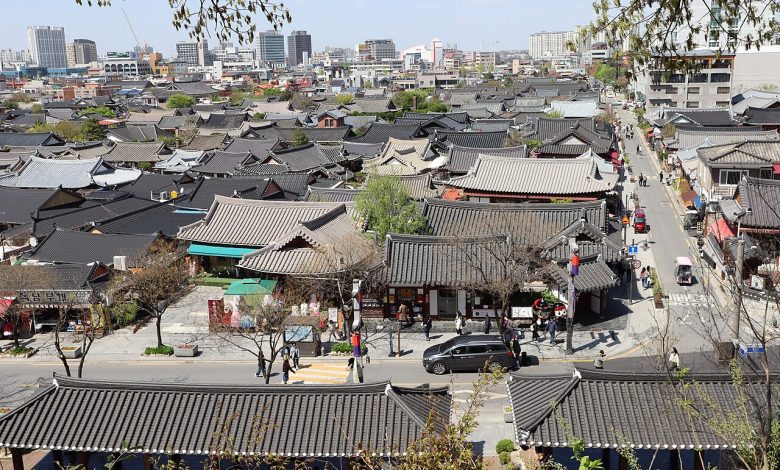
After dropping luggage, explore the village on foot. Start around Gyeonggijeon and the streets near Jeondong Cathedral, choosing an interior only after checking its current visitor arrangements. These are cultural and religious places within a working neighbourhood, not a film set with unrestricted access.
Leave room for a proper bibimbap meal. Ask how the restaurant prepares it and what is included rather than expecting one identical version everywhere. If you have allergies or dietary restrictions, explain them clearly: a vegetable-heavy dish may still contain animal ingredients, broth or sauces that matter to you.
A full day for food and one cultural experience
Begin with kongnamulgukbap, the bean-sprout and rice soup associated with the city, if it suits your appetite. Then choose one activity with enough time to participate: a traditional craft session, a guided heritage walk or a performance. Verify the teaching or tour language, duration, meeting place and cancellation terms before paying.
Use the village’s official information to understand its cultural facilities, then follow your interests toward Hyanggyo or Omokdae. Short uphill sections and uneven surfaces may affect your choice. You do not need to rent hanbok to enjoy the area; if you do, respect religious spaces and private doorways when photographing.
Later, explore Nambu Market or the cafés around Gaengnidan. Check current trading days before planning around a night market. Treat a full meal, a café stop and a tasting as separate choices; trying every famous snack can crowd out the regional food you came to understand.
Hanok stay or conventional hotel?
A hanok stay can be part of the experience, but read the room description closely. Confirm whether sleeping is on floor bedding or a bed, whether the bathroom is private, and how much luggage space is available. Check stairs, thresholds, sound insulation and the distance from a vehicle drop-off point.
A conventional hotel may suit travellers who prioritise lift access, familiar beds or quieter rooms. Compare the total cost and route rather than choosing a building style from photographs alone. Book a specific workshop or meal only after your transport and accommodation fit together.
What to avoid before you leave
Keep the departure morning simple and allow a buffer to reach the station. Avoid booking a city-wide checklist between breakfast and a non-refundable train. Review South Korea’s current safety advice, follow severe-weather alerts and avoid demonstrations. Check entry requirements separately for your passport; a general itinerary cannot determine eligibility.
Use our Seoul guide for the capital portion, compare Daegu’s markets and cultural streets for another regional stay, and browse the Asia hub. Next step: reserve two compatible nights, choose one cultural activity and leave the other meals open to discovery.
Photo: Mobius6 / Wikimedia Commons, CC BY-SA 4.0. Resized display copy; WordPress optimization may apply.