Tsuruoka in 3 Days: Seasonal Food, City Walks and One Mountain Day
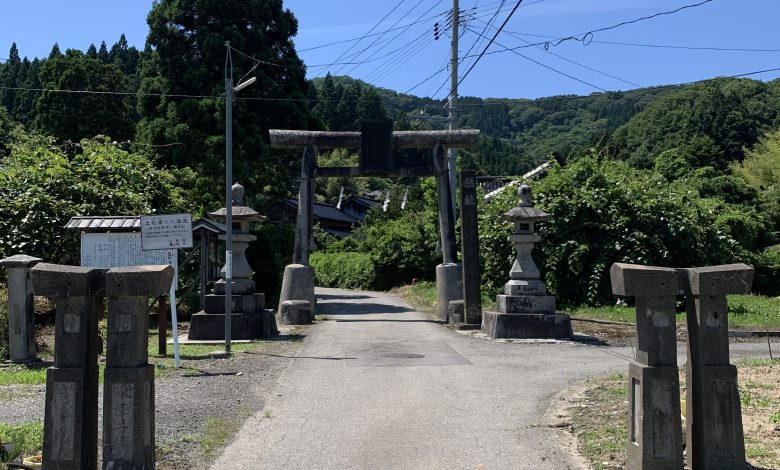
Tsuruoka makes sense when you want food to explain a place, rather than simply fill the gaps between sights. This city in Yamagata Prefecture connects an ordinary working town with the Shonai countryside, coastal settlements and the sacred Dewa mountains. The useful first decision is how much travelling you want around your meals. Three days suit a town base and one carefully chosen outing; they do not comfortably cover every mountain and hot spring.
Choose your season around the experience
There is no single best month for every version of this trip. Spring and autumn can suit a combination of town walking and seasonal cooking. Summer broadens outdoor possibilities but requires attention to heat, rain and mountain conditions. Winter suits an indoor food-focused stay only if you accept weather disruption and a more restricted outdoor plan.
The tourism bureau’s gastronomy introduction explains how farming, coastal produce and mountain traditions shape local food. Use that background to choose a meal or experience, then ask what is actually available on your dates. A seasonal ingredient mentioned online is not a promise that every restaurant serves it throughout the year.
Allow three days and protect arrival time
Spend three nights if arriving late or departing early. Two nights work when both travel days leave useful daylight, but avoid calling a late arrival your first sightseeing day. This matters especially when a booked meal has a fixed starting time.
The official access guidance describes rail approaches via Niigata and connections from Shonai Airport. Confirm the current journey with the operator before purchasing tickets; do not choose an airport merely because its name contains Yamagata. Shonai and Yamagata airports serve different locations. Compare this regional detour with the broader Japan planning guide before adding another long transfer.
Day one: settle into the town
Leave bags at your accommodation and use the first afternoon for the central historic area. Choose the Chido Museum if its current programme interests you, then walk nearby streets without turning the day into a museum marathon. Ask at the visitor information desk about the next day’s buses and any weather-related changes.
Make dinner the day’s main booking. Ask for a seasonal menu and explain allergies precisely, including stock, sauces and fermented ingredients. A vegetable-led meal does not automatically meet every vegetarian or allergy requirement. Keep a simple backup restaurant near the hotel in case arrival is delayed.
Day two: food culture with one confirmed visit
Choose a producer visit, cooking experience or meal with an explanation of ingredients. The official Honcho pickle-shop listing distinguishes shopping from a factory visit requiring advance arrangements. This is the kind of distinction that prevents disappointment: an open shop is not proof that production areas welcome unannounced visitors.
Confirm the exact address, language, duration, minimum group size and cancellation conditions. Ask whether transport and tastings are included. Leave time afterwards for lunch and ordinary shopping, rather than stacking several appointments across the wider municipality. For another Japanese city where a single bookable experience anchors the day, compare our Kanazawa craft itinerary.
Day three: choose mountains or a gentler finish
Mount Haguro is an option when current access, weather and your walking ability fit. Check the tourism bureau’s Dewa Sanzan guidance and the bus operator’s dated timetable. Different mountains have different seasonal constraints; a reference to Dewa Sanzan does not mean all routes are available together.
Decide in advance whether you want a walking ascent or an accessible transport-led visit, and verify what each involves. Do not force a slippery or snowy path to preserve an itinerary. An alternative town day, longer lunch or reserved hot-spring stay can be a better use of the time. Our Sapporo seasonal guide offers a useful comparison when choosing between northern city-based trips.
Where to stay and what to book first
A station-area hotel helps with arrivals and onward connections. A central base can suit evening walks and meals, provided you have checked the bus or taxi journey with luggage. A mountain lodge or coastal hot-spring inn changes the transport plan: confirm dinner deadlines and the final connection before committing.
Reserve the experience that determines your dates first, then accommodation and transport. For self-driving, check parking and weather suitability; a car is not necessary merely to explore the centre. Consult current Japan safety guidance and local warnings before outdoor travel.
Avoid these planning mistakes
Do not confuse a regional itinerary with a ready-to-book tour, assume every food business offers English interpretation, or move hotels every night for a three-day stay. Keep enough time to enjoy the meal you travelled for.
Next step: choose one dated food experience, confirm its inclusions and return transport, then select the overnight base that makes that appointment easy.
Photo: Tail furry, Arakura Shrine, Tsuruoka, July 2022, CC BY-SA 4.0. Resized/recompressed display copy.