Phitsanulok in 2 Days: Temples, River Life and a Sensible Rail Stop
Phitsanulok works well as a deliberate pause on a Thailand journey: a place to see an important Buddhist temple, learn something about everyday regional life and eat without planning an entire holiday around one attraction. Give the city two days instead of treating it as a station platform between larger destinations. The essential choice is whether you want a compact city visit or a separate countryside trip; combining both in a hurried overnight stop usually creates more driving than discovery.
When to go and how long to stay
For a walking-focused visit, start by considering the cooler part of Thailand’s upper-country year. The Tourism Authority of Thailand weather guide distinguishes the cooler, hot and rainy seasons. These are planning patterns, not a guarantee: check the forecast and air-quality information for your actual dates. Heat calls for early starts and a long indoor lunch break, while heavy rain can change road and river conditions.
Two nights make this itinerary easier if your train arrives late. One night can work with a useful morning arrival and an afternoon departure, but avoid booking a room for only the night after an arrival in the small hours. Confirm the check-in arrangement in writing. If time is tight, keep the temple and riverfront and drop the extra excursion.
Getting there without an awkward connection
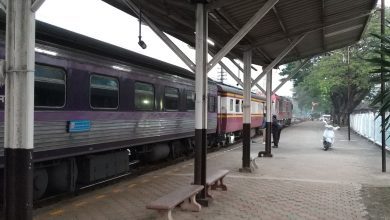
Use the State Railway of Thailand’s D-Ticket service to check your exact train, departure station, seat or berth class and arrival date. Services differ, so a journey described simply as “the Bangkok train” is not enough to organise a hotel transfer. Keep a screenshot of the booking and station names.
For the larger journey, consult our Bangkok guide and leave a buffer before an international flight. A through ticket, connection protection and separate reservations are different arrangements. If arriving by bus or air instead, identify the terminal and final transfer before choosing a hotel.
Day one: Wat Yai and the Nan River
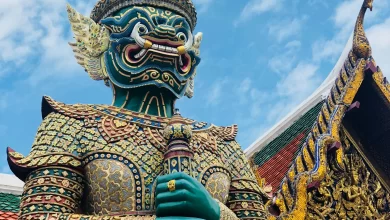
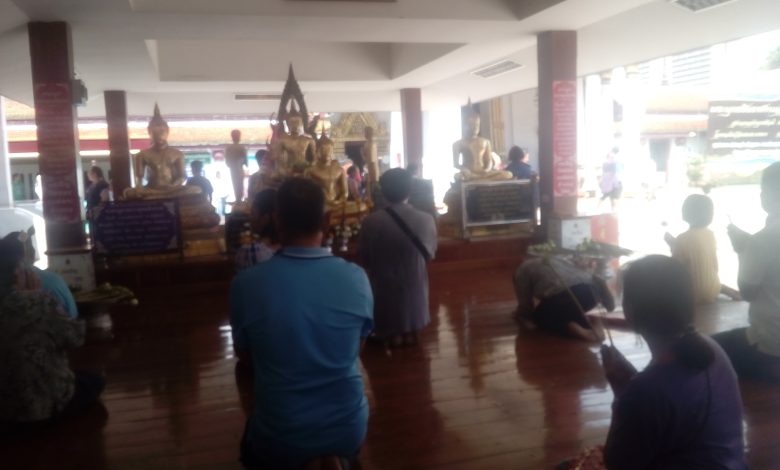
Start with Wat Phra Si Rattana Mahathat, widely known as Wat Yai. The official provincial tourism page identifies Phra Buddha Chinnarat among the destination’s principal sights. Approach the temple as a place of worship. Dress respectfully, follow shoe-removal signs and avoid interrupting worshippers for a photograph.
Allow a relaxed visit rather than attaching a dozen smaller stops. Afterwards, take a break and explore the riverfront at a comfortable time of day. Choose lunch by the menu, cleanliness and turnover rather than a promise that one address is compulsory for every visitor. Ask about chilli, fish sauce, stocks and allergens before ordering.
Keep the afternoon flexible for a short walk and a café or hotel rest. Return for dinner only after checking the actual location and return transport. A river view does not mean that every route beside the water is suitable for an unlit evening walk.
Day two: local history or one arranged outing
Use the second morning for the Sergeant Major Thawee Folk Museum if its current opening arrangements fit. TAT’s regional itinerary provides background on the museum and local craft traditions, but it dates from 2020. Treat its quoted prices and business hours as historical information and reconfirm directly before setting off.
If a craft demonstration interests you, ask whether production is taking place, whether visitors are admitted and whether interpretation can be arranged. A workshop address does not guarantee a demonstration whenever someone arrives. Our Lampang ceramics guide helps compare another northern stop built around living craft rather than a long sightseeing checklist.
Choose a countryside outing only if you have an additional day or a confirmed route that leaves adequate time. The province includes national parks and landscapes well beyond the city centre. Their appearance on the same destination page does not make them easy additions between lunch and your departure train.
Where to stay and how to budget
Pick a central hotel according to your arrival point, evening food choices and walking access. A room near the railway station helps with luggage; a riverside property may suit slower evenings. Check the precise entrance, soundproofing, lift access and whether reception will be staffed when you arrive.
Compare the total cost of the stay, transfers and any guide, rather than assuming a less familiar city automatically makes every part of the trip inexpensive. Agree taxi or driver arrangements clearly, including waiting time and the return journey. Use the Asia planning hub to weigh this stop against the rest of your route.
Book these first and avoid the common traps
Secure your onward transport and suitable check-in before reserving optional activities. Read current Thailand safety guidance and local weather notices. Do not add a remote park in uncertain weather, assume yesterday’s fare is today’s fare, or leave your passport as a rental guarantee.
Next step: select your actual arrival train, reserve a hotel that accepts that arrival time, and keep the first morning free for Wat Yai before committing to anything farther away.
Photo: Boonyatham, Wat Yai, Phitsanulok, May 2018, CC BY-SA 4.0. Resized/recompressed display copy.