Plovdiv in 3 Days: Roman History, Old Town and Kapana
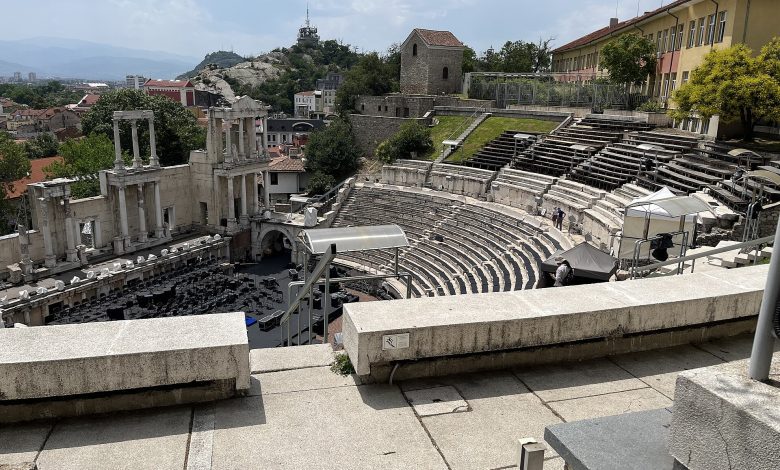
Plovdiv is a strong choice for travellers who want layered history and living culture without building a trip around a capital city. Roman remains, Bulgarian Revival houses, the creative Kapana district and a walkable centre fit naturally into three days. The city can be a standalone break or a slower stop between Sofia and the Rhodope region.
This interest-led angle matches a 2026 travel signal rather than a guarantee of popularity: Expedia Group’s Unpack ’26 research highlights culture, community and meaningful local experiences. Plovdiv suits that mood because its historic sites, galleries, cafés and neighbourhood streets overlap instead of feeling like separate attractions.
Plovdiv at a glance
| Recommended stay | 3 days |
|---|---|
| Best base | Near the pedestrian centre, Kapana or the edge of the Old Town |
| Getting around | Walking for most sights; local bus or taxi for outer districts |
| Book first | Popular weekend stays and any performance at the Ancient Theatre |
| Plan around | Cobblestones, summer heat, winter daylight and museum closing days |
Best time to visit Plovdiv
Spring and autumn are comfortable for walking, while summer offers long evenings but can be hot on the hills. Winter is quieter and atmospheric, though shorter daylight changes the pace. Check the city’s event calendar before choosing dates: a festival or theatre performance can enrich the trip, but it may also tighten accommodation availability.
A practical 3-day Plovdiv itinerary
Day 1: Roman Plovdiv and the pedestrian centre
Begin around the Roman Stadium remains, then follow the pedestrian main street before climbing toward the Ancient Theatre. Do not rush between fragments: look for how Roman layers sit beneath and beside the modern city. Check current access and performance rehearsals before assuming the theatre is open for ordinary visits.
Continue to the central garden or a café when the afternoon heat is strongest. In the evening, return to the centre for an unhurried meal. Bulgarian portions can be generous, so order in stages rather than treating a menu as a checklist.
Day 2: Old Town and Kapana
Use the morning for the Old Town’s Revival-era houses, lanes and viewpoints. The Bulgarian Ministry of Tourism describes it as an architectural-historical reserve spread across three hills, so comfortable shoes matter. Choose two or three house museums rather than trying to enter every site, and verify their current opening days at the municipal tourist information centre.
Descend toward Kapana after lunch. Its narrow streets have evolved from a trade and craft district into a creative quarter, according to the official Visit Plovdiv guide. Browse independent studios and galleries respectfully; do not treat working spaces as photo sets. Stay into the evening if food and local design are priorities.
Day 3: choose archaeology, art or a regional outing
For a city-focused day, add the Regional Archaeological Museum, an art collection or another historic house. If you prefer a day trip, choose one destination that can be reached and enjoyed without spending most of the day in transit. Confirm transport from official rail or bus sources and keep a backup city plan.
Where to stay
- Pedestrian centre: simplest for first-time visitors and evening access.
- Kapana: best for restaurants and creative energy; check noise reviews carefully.
- Old Town edge: atmospheric and close to historic sights, but cobbles and slopes can be difficult with luggage.
- Near the railway station: practical for an early departure, though less appealing for evening walks.
Do not judge a property only by straight-line distance. Hills, cobbles and restricted vehicle access can make a short route awkward with suitcases.
Transport and booking priorities
The centre is best explored on foot. Plovdiv’s main railway station sits south of the central area; the city tourism site links to the official Bulgarian rail timetable. For local buses, use current municipal information because routes and ticket arrangements can change. Ask accommodation staff to call a licensed taxi if you are uncertain.
- Choose a walkable base before booking individual attractions.
- Check theatre performances and major festival dates.
- Confirm museum opening days, especially outside peak season.
- Carry water and schedule hill walks for cooler hours.
- Leave one flexible half-day for weather or an unexpected exhibition.
Common mistakes
- Visiting as a rushed stop between trains.
- Trying to enter every Old Town museum in one afternoon.
- Booking a hilltop room without checking luggage access.
- Assuming a Roman site has the same access during an event.
- Skipping Kapana because it looks close enough to “do later.”
Frequently asked questions
Is Plovdiv a day trip from Sofia?
It can be, but staying two or three nights gives the Old Town and Kapana a more natural pace and leaves room for evening culture.
Do I need a car?
No for the city itinerary. A car is useful only for carefully chosen regional outings and can be inconvenient in historic streets.
Where should I continue planning?
Pair Plovdiv with our Bucharest itinerary, compare another smaller cultural city in the Pécs guide, or browse the Europe travel hub.
Continue planning: Check the event calendar first, then choose a walkable base and reserve one evening for a performance, gallery opening or slow Kapana dinner.
Featured photo: “Ancient theatre of Plovdiv, Bulgaria.jpg” by CivArmy, via Wikimedia Commons, licensed under CC BY 4.0.