Daegu in 3 Days: Markets, Modern Alleys and Mountain Views
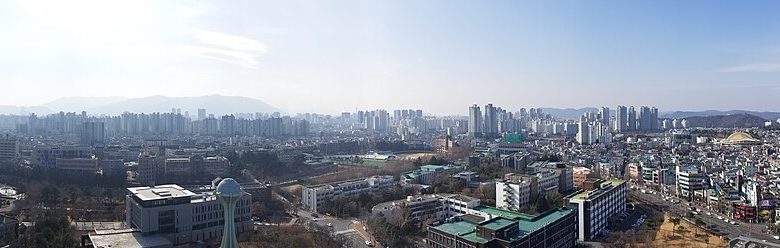
Daegu is a strong South Korea choice for travellers who want market food, walkable modern history and mountain scenery without building another trip around Seoul. Three days gives the city room to breathe: one central heritage day, one food-and-neighbourhood day and one flexible nature day.
Daegu at a glance
| Ideal stay | 3 days |
|---|---|
| Best for | Markets, Korean food, 20th-century history, easy urban walks and mountain escapes |
| Good base | Dongseong-ro/Banwoldang for central transport, or near Dongdaegu Station for an early onward train |
| Book first | Intercity rail, weekend accommodation and any timed performance or guided experience |
Why Daegu suits a culture-and-food trip
Current travel research points toward interest in local food, living culture and less-crowded alternatives to headline destinations. Daegu fits that style without needing exaggerated “hidden gem” claims. The city’s official tourism material highlights Seomun Market, the Modern History Alley, Dongseong-ro and Palgongsan as distinct experiences that can be combined without constant hotel changes. It is still a major city, so expect busy shopping streets and commuter periods.
Best time to visit Daegu
Spring and autumn are the easiest seasons for long walks and a Palgongsan outing. Summer can be very hot and humid; plan indoor breaks and avoid scheduling a mountain hike in the hottest part of the day. Winter is colder but workable for food, museums and city neighbourhoods. Check the Korea Meteorological Administration forecast and attraction websites close to travel, especially for mountain conditions.
A practical three-day Daegu itinerary
Day 1: Modern History Alley and Dongseong-ro
Begin around the central Modern History Alley route. The area links churches, preserved residences, stairways and small streets that explain Daegu’s modern development better than a disconnected attraction list. The official Daegu tourism route describes a roughly two-hour walking circuit, but allow longer for museum stops, cafés and navigation.
Continue toward Dongseong-ro for an introduction to the city’s contemporary shopping and street life. Keep the evening flexible: explore local restaurants rather than crossing town for a single famous address.
Day 2: Seomun Market and neighbourhood food
Start at Seomun Market, one of Daegu’s defining food and shopping areas. Walk the market before deciding what to eat; look for busy stalls, visible preparation and clear pricing. Market hours vary by section and holidays, so verify the part you want through the official Daegu Tourism site.
In the afternoon, choose one theme: medicine and herb-market history around Yangnyeongsi, murals and music on Kim Gwangseok-gil, or riverside time near Suseong Lake. The point is to see how residents use the city, not to collect every photo stop.
Day 3: Palgongsan or a slower city day
Use a clear-weather day for Palgongsan and Donghwasa if mountain scenery and temple culture are priorities. Transport and cable-car operations can change with conditions, so check the official source that morning. Wear footwear suitable for uneven paths and treat temple spaces as active religious places.
If weather is poor, stay in the city for a museum, a longer food exploration or an easy section of the urban monorail. This backup keeps the itinerary useful year-round.
Getting to and around Daegu
- Intercity rail: Dongdaegu is the main arrival point for many fast and conventional services. Reserve popular departures in advance and verify the operator’s current timetable.
- Metro: useful for the centre, Seomun Market and several neighbourhoods. Korea Tourism confirms Daegu is one of the country’s subway cities; check the local network map for the latest service details.
- Bus: fills gaps beyond the rail network, particularly for outer districts.
- Taxi: practical for late returns or multi-person trips, but keep the destination written in Korean.
Where to stay
Banwoldang and Dongseong-ro work best for a first city break because food, shopping and metro connections are close. Stay near Dongdaegu Station if Daegu is a one-night rail stop, though you will commute to several central sights. For Palgongsan, a separate overnight is worthwhile only if hiking or temple time is the main purpose.
What to eat
Use Seomun Market as a tasting place rather than ordering everything at the first stall. Daegu’s official food routes also point visitors toward flat dumplings, spicy beef soup, grilled intestines and local bakery culture. If an ingredient matters for allergy, religious or dietary reasons, carry a Korean translation and ask before ordering.
Booking priorities and common mistakes
- Reserve intercity transport before a holiday weekend.
- Group the Modern Alley, Seomun Market and Dongseong-ro by geography.
- Keep the Palgongsan day weather-flexible.
- Do not assume every market section or night market operates daily.
- Avoid turning Daegu into a rushed day trip if food and neighbourhoods are the reason for coming.
Continue planning
Build a broader route through our Asia travel hub. Pair Daegu with Matsue’s castle and tea culture, compare a different market city in Kuching, or use the Japan guide hub for an onward regional plan.
FAQs
Is Daegu worth three days?
Yes if food, markets, urban history and a mountain option appeal. Two days is enough if you skip Palgongsan.
Can I visit without a car?
Yes. Rail, metro, buses and occasional taxis cover this itinerary.
Should Daegu be a day trip?
A day covers the centre, but two nights make the market, evening streets and weather-dependent nature day far more practical.
Featured photo: Daegu skyline by Mobius One, via Wikimedia Commons, licensed under CC BY-SA 4.0.

3 Comments