Trois-Rivières in 2 Days: Riverfront History and a Museum-Led Stay
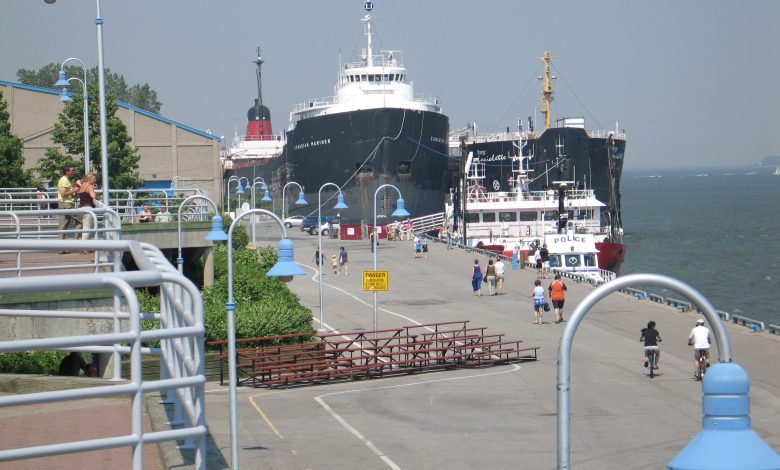
Trois-Rivières makes a worthwhile overnight pause when you want a smaller Quebec city with its own industrial and river story. It is more satisfying as a two-day stay than as a quick meal between Montréal and Québec City. The practical question is how much of your visit depends on summer operations. A museum-led trip can work beyond the main outdoor season, but a cruise, terrace or seasonal historic site needs its own dated check.
Choose your season and the right length
Summer is the simplest starting point if outdoor events and longer riverfront walks are central to the plan. Autumn can combine cultural visits with cooler walking weather, while winter requires suitable clothing, weather flexibility and more indoor time. Do not build a cold-season itinerary from a list of summer attractions.
The official tourism calendar gives dated operating seasons for several sites and activities. Some listings describe a venue as year-round while individual experiences have narrower dates. Check the attraction itself rather than assuming the heading applies to every tour, boat or event.
Two nights suit a late coach arrival or a leisurely food-and-museum break. One night can work with an early arrival and late departure. Protect enough time for your main museum visit and avoid giving every hour to transfers.
Getting there: book the actual stop
Orléans Express lists the Montréal–Trois-Rivières–Québec corridor. Check the specific journey for your date, the boarding and arrival addresses, luggage allowance and cancellation conditions. A route’s existence does not guarantee that every departure serves the same stops.
Arrange the final trip from the coach stop to your accommodation before travelling, particularly with bulky luggage or an evening arrival. If driving, check road conditions and parking at the hotel. Leave a buffer before a separately booked flight or onward connection. Our North America planning hub helps keep the wider itinerary realistic.
Day one: the historic centre and riverfront
Drop your bags and begin with the old centre. Collect a current visitor map and choose a manageable loop, combining historic streets with the public riverfront. Stop to read interpretation rather than treating the whole area as a backdrop for photographs. Keep private entrances and working port areas separate from public visitor space.
Take a proper lunch break, then choose a small cultural stop according to current openings. Keep the afternoon adaptable: a longer walk in good weather, an indoor visit when rain arrives, or a café if you have just completed a long journey. The objective is to enjoy the city rather than rehearse a checklist.
Reserve dinner if there is a particular restaurant you want to try. Ask about the menu, dietary needs and service times. Allow a straightforward return to the hotel, especially when winter weather makes a route less comfortable than it looked on a map.
Day two: understand the paper-making story
Make Boréalis the day’s anchor if industrial history interests you. The museum explores the paper industry and the people, landscapes and working lives connected with it. Its visitor FAQ explains booking arrangements and the bilingual permanent exhibition. Check the exact experience you intend to book, including any access requirements.
Use the French-language schedule alongside the English information. On 31 October 2026, the published autumn schedule extended only through that date, and the terrace was closed for the cold season. That is a reason to verify later dates, not to assume that the museum closes permanently or that its summer terrace remains available.
Leave time after the exhibition for a final walk and lunch. Add a second institution only if its subject genuinely interests you and your departure leaves adequate space. A river cruise is a separate seasonal decision, not an automatic part of museum admission.
Where to stay and what to compare
A hotel near the historic centre suits visitors who want to walk to meals and cultural stops. Confirm the actual route, lift access and luggage arrangements. A property beside a highway can suit drivers but may add repeated transfers to a short city stay.
If you are choosing among smaller Canadian cultural breaks, compare our Fredericton river-and-art guide or Medicine Hat pottery itinerary. They are alternative trips in different regions, not convenient day outings from Trois-Rivières.
For reduced mobility, ask each venue about the specific route, lifts and seating you need. An accessible entrance does not establish that every optional activity follows the same route. Resolve those details before buying a non-refundable experience or arranging a tight connection.
Before you commit
Confirm the museum date first, then accommodation and coach or car arrangements. Read current Canada travel guidance and local weather alerts. Common mistakes include relying on a summer calendar in November, confusing a public waterfront with port access, and leaving the final coach-stop transfer unresolved.
Next step: choose the museum experience and check its actual date, then book a central base and transport that leaves time to enjoy the riverfront.
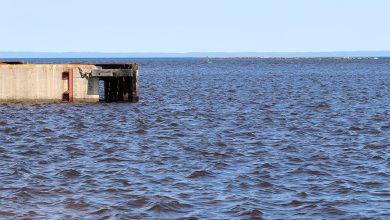
Photo: Claude Boucher (Bouchecl), Trois-Rivières harbour, Quebec, June 2006, CC BY-SA 3.0. Historical photograph; Resized/recompressed display copy.