Samburu National Reserve in 3 Days: A Practical Safari Guide
Samburu National Reserve offers a different first-safari experience from Kenya’s busiest southern circuits: dry-country scenery, the Ewaso Nyiro River and a more compact reserve to explore at a measured pace. The Samburu County Government describes it as a 165-square-kilometre reserve on the river’s northern bank. Intrepid Travel included Samburu in its 2027 Not Hot List; this is a tour company’s editorial trend signal, not proof of rising visitor numbers. The key planning question is whether the route, season and safari style suit you.
At a glance
- Allow: three nights is a useful first visit; two nights can work if you arrive directly, but leaves little room for transfer delays.
- Plan around: daylight game drives, rest between outings, current road and security advice, and a reliable 4×4 transfer.
- Choose a stay: inside the reserve for access, or a nearby conservancy camp if its location and included activities suit your plans.
- Do not assume: one safari rate includes all parks or conservancies, or that every road is currently suitable for a standard vehicle.
When to go
There is no month that guarantees sightings or comfortable temperatures. Wildlife, vegetation, heat and road conditions vary. Ask a reputable lodge or operator what conditions are expected for your dates, whether recent rain has affected tracks and what the daily game-drive plan looks like. If wildlife is your priority, plan more than one drive; animals move, and sightings are never promised. Carry sun protection and keep water, a hat and light layers accessible.
A practical three-day safari plan
Day 1: arrive and settle
Travel to the reserve by a pre-arranged road transfer or a flight option confirmed for your dates. Treat the transfer as a substantial part of the day; do not book a tight same-day connection or assume arrival leaves time for a full drive. Check in, ask your camp about current security and road conditions, then take an introductory late-afternoon outing only if your arrival time allows.
Day 2: two drives with a proper break
Use the cooler early hours for a guided drive, return for breakfast and rest during the heat, then head out again later if conditions and park rules allow. Ask your guide to explain the river corridor, dry-country ecology and wildlife behaviour rather than chase a checklist. Stay in the vehicle unless your guide says a designated stop is safe, never feed wildlife, and give animals space.
Day 3: explore a different area, then depart
Choose one more drive or a community-led activity offered by a reputable operator, but confirm what it involves and who benefits. Leave adequate time for your onward journey. If you are continuing to another reserve, verify whether it has separate entry arrangements and whether the transfer route is open; neighbouring protected areas are not automatically covered by one booking.
Where to stay and how to get there
Staying inside the reserve makes early starts simpler. A camp or lodge outside the boundary may be a better fit for budget or community-conservancy activities, but confirm gate access, drive time and exactly what your package includes. Ask for the operator’s vehicle type, driver-guide credentials, cancellation terms and whether entry fees, meals and drives are itemized. The county lists several reserve gates, so ask which gate your accommodation uses and how that affects the route.
Road journeys in northern Kenya can be long and conditions change; use an experienced operator, confirm the approach route before departure and travel in daylight where official advice recommends it. Some government travel advisories refer to specific parts of Samburu County and surrounding areas. Read the latest Kenya travel advisory and the FCDO regional guidance for your exact route; do not infer reserve access from a county name alone. Confirm local arrangements with your lodge or reserve authority.
Common mistakes to avoid
Do not squeeze Samburu into a rushed one-night stop from Nairobi, leave transfers until the last minute, or expect a guaranteed animal list. Confirm whether any activities outside standard vehicle drives are permitted and genuinely community-led. Respect Samburu communities: ask before taking portraits, follow the host’s lead and do not treat cultural visits as staged performances. Carry any essential medication and insurance details; specialist medical facilities are limited once you are far from larger towns.
For the wider route, start with our Nairobi guide to plan your arrival buffer, browse the Africa travel hub, and compare another wildlife itinerary in our Rwanda guide. Before paying a deposit, confirm current advisories, gate access, fees and road conditions directly with official sources and your chosen operator.
Travel information checked 15 October 2026. Trend context: Samburu appears on Intrepid Travel’s 2027 Not Hot List, an editorial selection rather than a measure of traffic or bookings.
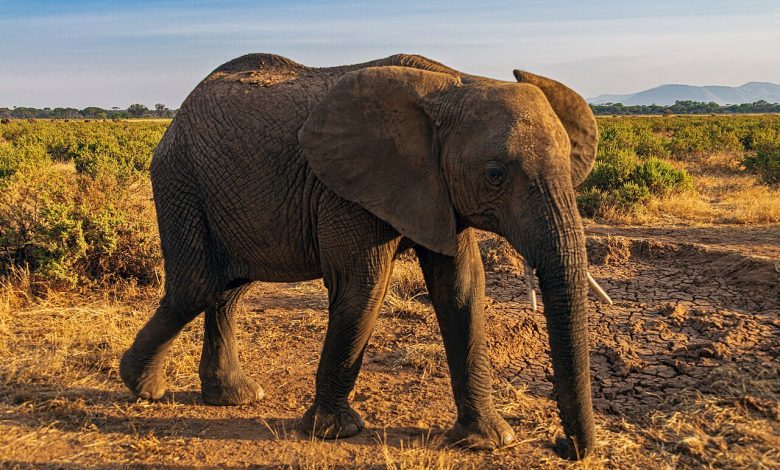
Featured photo credit: “Walking elephant, Samburu National Reserve, Kenya” by Daniel Case, licensed under CC BY-SA 4.0 via Wikimedia Commons. Image resized for this site.