Whanganui in 3 Days: Glass Art, River Walks and Living Culture
Whanganui rewards a trip organised around an interest rather than a checklist. In this North Island city, glass art, a regional museum and the river can shape three relaxed days. It is a useful stop for travellers who want time to look closely at how a place makes and remembers things, with an optional outdoor day rather than a compulsory adventure booking.
Plan three nights if you want two full city days and a separate river outing. With two nights, keep the programme central and treat the third day below as optional. A late arrival does not count as a museum day.
Choose your season and keep one flexible day
New Zealand’s seasons run opposite to those in the Northern Hemisphere. The national tourism office’s seasonal guide places summer in December–February and autumn in March–May. For this itinerary, summer offers more scope for an outdoor-focused visit; spring or autumn can suit a mixture of galleries and walks if you pack for changeable conditions.
Winter is still an option for an art-led break, but shorten your outdoor ambitions and check daylight before arranging an excursion. A waterproof layer is useful in every season. Do not leave all indoor visits until your final day: opening arrangements may not match your departure time.
Day one: watch a working craft
Begin at New Zealand Glassworks on Rutland Street. The gallery and working studio give the city’s creative identity a practical focus. Consult its calendar before visiting: the chance to watch artists depends on what is happening in the studio that day. A gallery visit and a booked hands-on workshop are different commitments.
Leave enough time to study a few objects rather than walking straight through. If you want to buy glass, ask about packing, shipping and your luggage allowance before choosing a fragile piece. A workshop should be booked around its actual duration, age requirements and safety instructions.
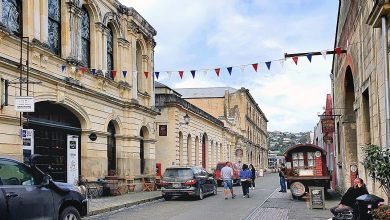
Spend the afternoon exploring central streets, independent shops and cafés on foot. Whanganui’s official visitor guide is a better starting point for current galleries than an old list of businesses. Select one additional stop, then leave the evening unhurried.
Day two: museum context before the river
Visit the Whanganui Regional Museum at Pukenamu Queen’s Park. Its Māori taonga and regional collections provide context for the landscape you will see later. Follow instructions about photography and respectful behaviour, and allow time to read interpretation instead of treating the collection as decoration.
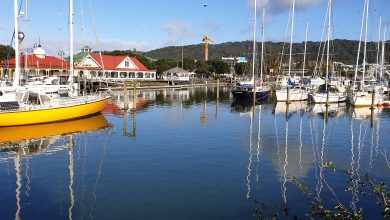
After lunch, take a manageable riverside walk and turn back when it suits your energy and the weather. The river is a living cultural landscape, not simply a backdrop. Use public routes, respect private land and do not assume a marae is a visitor attraction you can enter independently.
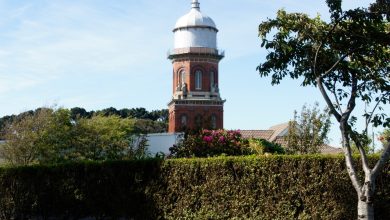
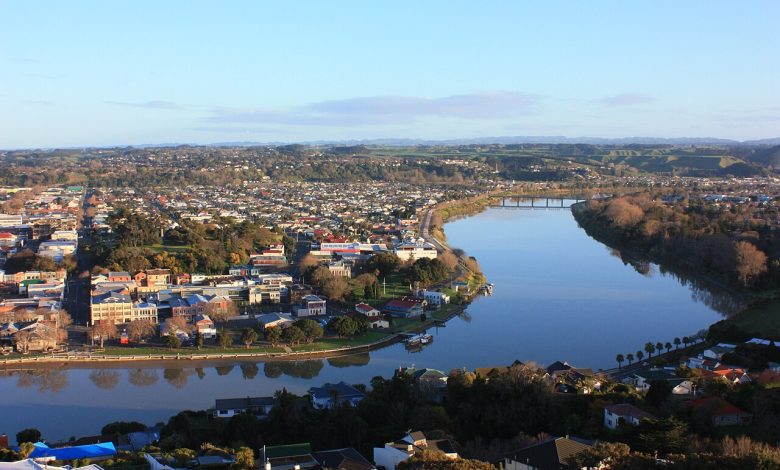
If you include Durie Hill, check the elevator operator’s current service information first. Confirm accessibility and your return route separately; a viewpoint should not depend on an assumed lift service. Replace it with more central time if conditions or access make the outing awkward.
Day three: choose a river outing or another art day
Make this the adjustable part of the visit. For a guided river experience, ask the operator where it starts, how you reach that point, how long you are away and what happens in unsuitable weather. An upriver excursion is not automatically a short activity departing beside your hotel.
If you prefer to stay in town, revisit the studio calendar or explore another gallery from the official guide. That is a worthwhile third day in its own right. Avoid combining a substantial river trip with a tight onward connection.
Transport, accommodation and booking order
Choose accommodation near the centre if galleries, meals and river walks are your priorities. A motel or holiday park farther out may offer useful parking or kitchen facilities, but compare the door-to-door route before assuming you can walk everywhere. Ask about steps, heating, laundry and secure bicycle storage when relevant.
For an intercity coach or flight, verify the actual service, baggage rules and final transfer on your dates. A rental car helps with regional exploration but is unnecessary for every central stop. Check road conditions before an upriver drive and avoid making up lost time after dark.
Book your room first, any workshop second, and a weather-dependent outing with clear cancellation terms. Read current New Zealand travel advice before departure.
Plan your next step
Compare the art-and-coast balance in New Plymouth, or explore the Oceania hub before expanding your route. For a separate Pacific culture trip, see Apia. Now choose your one essential studio or museum visit, then arrange your travel days around it.
Photo: Ang Wickham, Wikimedia Commons, CC BY 2.0. Whanganui River and city viewed from Durie Hill; resized for web display.