Perugia in 3 Days: Umbrian Art, Hilltop Streets and Food
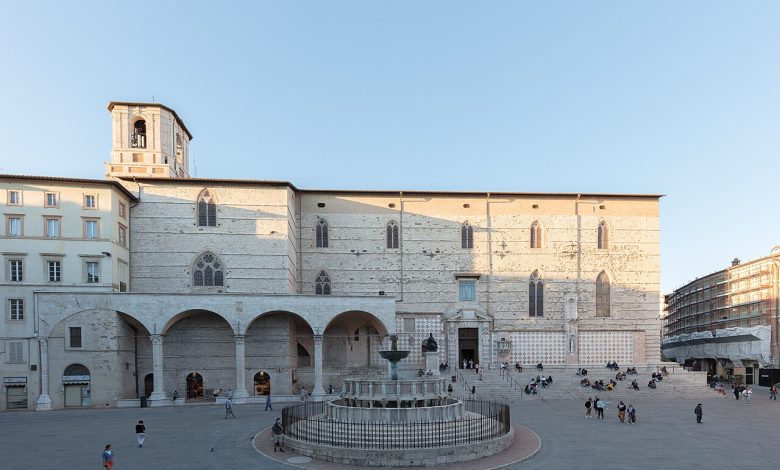
Featured photo: Piazza IV Novembre, September 2022. Diego Delso, delso.photo, via Wikimedia Commons, licence CC BY-SA 4.0. Resized.
Perugia is a good choice when you want art and regional food to shape a short Italian trip. Its hilltop centre rewards walking slowly, stopping for a proper lunch and choosing a few interiors carefully. Allow three full days if you want that pace; a hurried stop between larger cities misses much of the pleasure.
Perugia at a glance
| Decision | Practical starting point |
|---|---|
| Time needed | Three full days for art, historic streets and relaxed meals |
| Where to stay | Historic centre for atmosphere; near a useful transport stop for easier luggage handling |
| Getting around | Walking, Minimetrò and public escalators, with gradients to consider |
| Reserve first | Accommodation for event dates and any essential exhibition or workshop |
When to go
For a walking-focused stay, consider spring or autumn and check the forecast rather than expecting a particular temperature. Summer needs shade breaks and time indoors; winter suits travellers comfortable with shorter daylight and a quieter evening plan. Rain makes steep stone streets less inviting, so bring shoes with grip.
If music or chocolate events are the main reason for travelling, check the organiser’s current dates and location before booking. If they are not, compare event and non-event dates for room availability and the atmosphere you prefer. A famous festival is not a permanent attraction operating every day.
Day 1: Find your bearings in the historic centre
Begin at Piazza IV Novembre, with Fontana Maggiore and the cathedral exterior, then walk Corso Vannucci towards Piazza Italia. Let the first morning establish the city’s shape rather than becoming a competition to reach every landmark. The regional tourism board’s Perugia guide is a useful orientation resource.
Explore the Rocca Paolina passages as part of your route, checking current access. These underground spaces explain something of the city’s layered past and also form part of everyday movement through town. Allow time for lunch and an evening stroll instead of immediately adding a distant excursion.
Day 2: Umbrian art and neighbourhood streets
Give the Galleria Nazionale dell’Umbria a substantial morning. Check current tickets, opening arrangements and exhibitions directly. Choose a manageable focus within the collection; looking closely at a few works is more rewarding than hurrying past every room.
Afterwards, explore smaller streets and independent shops away from the main promenade. Leave room for a café and a shop whose craft or produce interests you. Ask before photographing people or private interiors. If steps or slopes become tiring, shorten the route while it is still enjoyable.
Day 3: Food, a workshop or an unhurried extra visit
Use the third day for one interest you would otherwise rush: a booked cooking activity, another museum or a longer neighbourhood walk. The tourism board’s regional food and culture information can help you choose a focus without assuming every Umbrian speciality originates in the city.
Read menus for seasonal dishes and ask about ingredients. A food workshop should state its language, duration, location and what is included. If wine tasting is involved, arrange transport that does not require you to drive afterwards. Keep a day trip for a longer stay unless the return connections comfortably fit.
Where to stay and how to arrive
A historic-centre room makes it easy to enjoy the city after day visitors leave. Before booking, ask about steps, lifts, luggage access and the exact route from your arrival point. An atmospheric building may not provide the easiest arrival with a heavy suitcase.
Perugia’s main railway station at Fontivegge is below the historic core. Check your rail journey separately, then use Minimetrò’s route information to plan the uphill connection towards Pincetto. Verify operating hours, maintenance notices and the walk at each end; do not assume the service runs all night.
If driving, check municipal restricted-traffic rules and agree a permitted luggage drop-off with your accommodation. Following a navigation app into the old centre is not permission to enter. Compare parking and transfers before deciding that a central hotel needs a car outside its door.
Booking priorities and avoidable mistakes
Book the room and any date-specific gallery or festival visit first. Next, map Fontivegge station, your luggage route and the nearest useful Minimetrò or escalator entrance. Check the Galleria’s own calendar on the day before departure: a listed collection does not guarantee every room or temporary exhibition is accessible. If an event is the reason for travelling, verify the organiser’s venue rather than assuming it is in the historic centre.
Avoid driving into a restricted-traffic zone, placing Assisi or another hill town into a half-day without checking both directions, and filling every meal slot before seeing local opening patterns. Keep one indoor alternative for rain and one free evening for an unhurried dinner.
Your next step: put your arrival, gallery visit and one food-led activity into a three-day calendar. Confirm the uphill luggage connection with the accommodation, then reserve only the experiences that have a fixed time.
Continue planning
Choose your wider route before booking: compare our Rome guide and Florence guide, allowing a real transfer day where needed. For a different regional break, explore the Europe destination hub and choose a destination that fits your available nights.