Rocky Mountain National Park Trip Advisor | Best Trails, Scenic Drives & Wildlife
Rocky Mountain National Park Travel Guide: Things to Do in 2026
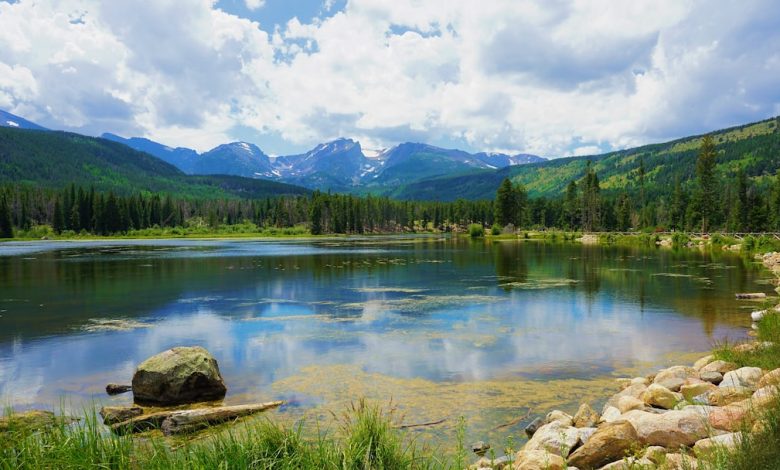
Rocky Mountain National Park, nestled in the heart of the Rockies, offers an untouched beauty that captivates nature enthusiasts and adventure seekers alike. With an abundance of hiking trails, wildlife viewing opportunities, stunning lakes, and majestic waterfalls, the park is a haven for outdoor exploration. This complete Rocky Mountain National Park Trip Advisor provides invaluable insights for those seeking to immerse themselves in the park’s wonders. Whether you’re a seasoned camper or a first-time visitor, this guide is designed to enhance your experience in this natural wonderland. So, let’s embark on an unforgettable journey and unlock the secrets of Rocky Mountain National Park.
Introduction to Rocky Mountain National Park
Rocky Mountain National Park is a pristine natural paradise, spanning over 415 square miles of breathtaking landscapes. Situated in the heart of the Colorado Rockies, the park offers a haven for outdoor enthusiasts, wildlife lovers, and nature seekers alike. Here, visitors can immerse themselves in the untouched beauty of alpine meadows, crystal-clear lakes, dense forests, and majestic mountain peaks.
What Makes it Special?
- Diverse Ecosystem: The park is home to a diverse range of ecosystems, including montane, subalpine, and alpine regions, each with its own unique flora and fauna.
- Scenic Drives: Visitors can explore the park’s beauty via the iconic Trail Ridge Road, offering unparalleled views of the surrounding mountains and valleys.
- Abundant Wildlife: Rocky Mountain National Park is a sanctuary for a variety of wildlife, including elk, moose, bighorn sheep, and numerous bird species.
Activities and Attractions
- Hiking and Backpacking: With over 350 miles of trails, the park provides ample opportunities for both leisurely walks and challenging hikes, catering to all skill levels.
- Scenic Photography: The park’s stunning landscapes make for excellent photography opportunities, from sunrise over the mountains to the vibrant wildflowers in bloom.
- Educational Programs: Visitors can engage in ranger-led programs and guided tours, delving into the park’s natural and cultural history.
Visitor Facilities
- Visitor Centers: The park boasts several visitor centers providing information on trails, wildlife, and safety tips for a memorable visit.
- Picnic Areas: Enjoy a leisurely picnic amidst the natural splendor at designated spots within the park.
Rocky Mountain National Park beckons adventurers to delve into its unspoiled wilderness, promising enriching experiences and cherished memories amidst nature at its most raw and captivating.

The Best Hiking Trails in Rocky Mountain National Park
When it comes to hiking, Rocky Mountain National Park offers a plethora of breathtaking trails that cater to hikers of all skill levels. Whether you’re an experienced mountaineer or a casual trekker, there is a trail for everyone. Here are some of the best hiking trails to explore in this natural wonderland:
- Emerald Lake Trail: This moderate 3.6-mile trail takes you through serene forests and offers stunning views of Hallett Peak and Flattop Mountain. The destination, Emerald Lake, is a sight to behold, especially in the early morning when the peaks are reflected in the crystal-clear waters.
- Sky Pond Trail: This challenging 8.4-mile trail leads you through enchanting aspen groves, along cliff-top vistas, and past beautiful alpine lakes. The rewarding final stretch involves scrambling up Timberline Falls to reach the awe-inspiring Sky Pond.
- Bear Lake Loop: Perfect for all skill levels, this easy 0.8-mile loop offers access to several other trails and stunning panoramic views of the surrounding mountains. The trail is also wheelchair accessible, making it inclusive for all visitors.
- Chasm Lake Trail: This strenuous 8.4-mile round trip treats hikers to an up-close view of the dramatic east face of Longs Peak, Colorado’s most iconic “14er,” and culminates at the enchanting Chasm Lake, nestled beneath the sheer rock walls of the peak.
For those seeking a real challenge, the park also offers an abundance of longer, high-elevation hikes, such as the Longs Peak Trail and the Continental Divide Trail. Before embarking on any hike, it’s essential to be well-prepared with proper gear, including sturdy hiking boots, plenty of water, and protective clothing, as the weather in the Rocky Mountains can change rapidly. Keep in mind that higher elevations can lead to altitude sickness, so it’s essential to acclimate properly and be mindful of your physical limits.
Take the time to research and choose a trail that aligns with your fitness level and interests, and always prioritize safety and Leave No Trace principles when experiencing the remarkable trails of Rocky Mountain National Park.
Wildlife Viewing Opportunities in the Park
When visiting Rocky Mountain National Park, don’t miss the chance to encounter its diverse wildlife. The park is home to a wide variety of animals, offering visitors numerous opportunities for wildlife viewing. Here are some of the incredible wildlife viewing opportunities you can experience at Rocky Mountain National Park:
- Elk: One of the most iconic animals in the park is the elk. With a population of over 3,000, the elk can often be spotted in meadows and grassy areas, especially during the mating season in the fall.
- Bighorn Sheep: Keep an eye out for bighorn sheep, especially along the steep and rocky terrain in the park. They are often seen climbing the mountainsides and grazing on the vegetation.
- Moose: If you’re lucky, you might spot a moose near the park’s lakes and wetland areas. These majestic creatures are a sight to behold, so have your camera ready!
- Bird Watching: Rocky Mountain National Park is a paradise for bird enthusiasts. Over 280 bird species have been recorded in the park, including the majestic golden eagle, peregrine falcon, and a variety of owls.
- Small Mammals: Keep an eye out for smaller mammals such as marmots, pikas, and chipmunks. These furry creatures can often be seen scurrying around rocky areas and meadows.
When observing wildlife in the park, remember to maintain a safe distance and use binoculars or a telephoto lens for a closer look. Always respect the animals and their natural habitat to ensure the safety of both visitors and wildlife. Keep in mind that wildlife sightings are never guaranteed, so patience and a keen eye are essential when exploring the natural wonders of Rocky Mountain National Park.
Don’t forget to check the park’s visitor’s center for any recent wildlife sightings and for tips on the best spots for wildlife viewing. Rocky Mountain National Park truly offers an unforgettable wildlife experience for nature enthusiasts and animal lovers alike.
Exploring the Lakes and Waterfalls
When visiting Rocky Mountain National Park, exploring the lakes and waterfalls is an absolute must. The park is adorned with pristine alpine lakes and captivating waterfalls that offer visitors a serene and picturesque experience. Here’s what you can expect when exploring the lakes and waterfalls in Rocky Mountain National Park:
Lakes:
- Dream Lake: Nestled amidst the breathtaking Rocky Mountains, Dream Lake is a tranquil body of water that reflects the surrounding peaks, creating a mesmerizing sight. It is accessible via the popular Bear Lake trailhead.
- Loch Vale: This serene lake is surrounded by lush greenery and offers a splendid view of the majestic mountains. The trail to Loch Vale is moderate in difficulty and rewards hikers with spectacular scenery.
- Bear Lake: Known for its crystal-clear waters, Bear Lake is easily accessible and is the starting point for various hiking trails.
Waterfalls:
- Alberta Falls: A picturesque waterfall with a 30-foot drop, Alberta Falls is a popular attraction in the park. The hike to the waterfall is relatively easy, making it suitable for visitors of all ages.
- Adams Falls: Located on the west side of the park, Adams Falls is a stunning waterfall that can be reached via a short and family-friendly trail.
Comparison Table:
| Lake/Waterfall | Description | Accessibility |
|---|---|---|
| Dream Lake | Tranquil lake with mountain reflections | Via Bear Lake trailhead |
| Loch Vale | Serene lake surrounded by lush greenery | Moderate trail difficulty |
| Bear Lake | Crystal-clear waters and starting point | Easily accessible |
| Alberta Falls | Picturesque 30-foot waterfall | Relatively easy hike |
| Adams Falls | Stunning waterfall on the west side | Short, family-friendly trail |
Exploring the lakes and waterfalls in Rocky Mountain National Park provides a captivating experience, allowing visitors to immerse themselves in the natural beauty of the park.
By including various lakes and waterfalls in your itinerary, you’ll uncover the untouched and enchanting landscapes that make this national park a true gem.

Camping and Accommodation Options
When visiting Rocky Mountain National Park, camping amidst the serene wilderness can be an enriching experience. Whether you prefer camping under the stars, staying in a cozy cabin, or enjoying modern amenities in a lodge, the park offers various accommodation options to suit every preference and budget.
Camping Options:
- The park features five campgrounds, each offering a unique experience surrounded by stunning natural beauty.
- Aspenglen Campground: Ideal for tent camping and small RVs, this campground provides a tranquil setting and easy access to hiking trails.
- Moraine Park Campground: Situated in a lush, meadow-filled valley, this campground is popular for its picturesque surroundings and abundant wildlife.
- Longs Peak Campground: Nestled at the foot of the famous Longs Peak, this campground is perfect for those seeking a more rugged camping experience.
Accommodation Choices:
- Cabins and Cottages: For visitors desiring a rustic yet comfortable stay, cabins and cottages within the park offer a cozy retreat close to nature.
- Lodges and Resorts: Several lodges and resorts provide modern comforts and stunning views of the surrounding mountains, serving as an excellent base for the exploration of the park.
- Backcountry Camping: Adventurous souls can explore remote areas through backcountry camping, allowing them to immerse themselves in the park’s unspoiled wilderness.
Comparison Table:
| Accommodation Type | Facilities | Location |
|---|---|---|
| Aspenglen Campground | Tent and RV sites, restrooms, water | Amidst forest |
| Moraine Park Campground | Tent and RV sites, restrooms, water | Meadow-filled valley |
| Longs Peak Campground | Tent sites, restrooms, water | Foot of Longs Peak |
By carefully selecting the ideal accommodation option, visitors can make the most of their Rocky Mountain National Park experience in the heart of nature’s splendor. Remember to make reservations well in advance, especially during peak seasons, to secure your spot in this majestic wilderness.
Tips for Visiting the Park
When planning a trip to Rocky Mountain National Park, it’s essential to be prepared and informed to make the most of your visit. Here’s a set of useful tips and recommendations to ensure a memorable and enjoyable experience:
- Weather and Seasonal Considerations:
- Check the weather forecast before your visit and pack accordingly, as the park’s weather can be unpredictable. Layers are key, even in the summer.
- Keep in mind that some parts of the park may be inaccessible during the winter due to heavy snowfall.
- Altitude Adjustment:
- As the park’s elevations range from 7,500 to over 14,000 feet, it’s important to acclimate yourself, particularly if you’re arriving from lower elevations. Take it easy, stay hydrated, and be mindful of any symptoms of altitude sickness.
- Trail Etiquette and Safety:
- Stay on designated trails to preserve the park’s natural beauty and to avoid potential hazards.
- Carry essential gear such as water, sunscreen, and a map. Make sure to familiarize yourself with wildlife safety guidelines, especially regarding encounters with bears and other wildlife.
- Parking and Shuttle Services:
- During peak visitation times, parking lots can fill up quickly. Consider using the park’s shuttle services, which offer convenient transportation to various trailheads and points of interest.
- Best Times to Visit:
- To avoid crowds, aim to start your hikes early in the morning or explore the park on weekdays. Additionally, the fall season offers stunning foliage, making it a popular time for photography enthusiasts.
By keeping these tips in mind, you can enhance your Rocky Mountain National Park experience and make the most of your time in this breathtaking natural wonderland.
Guided Tours and Ranger Programs
When visiting Rocky Mountain National Park, taking part in guided tours and ranger programs can enhance your experience and provide valuable insights into the park’s natural wonders. Here’s what you need to know about these opportunities:
- Ranger-Led Programs: The park offers a variety of ranger-led programs, including guided hikes, talks, and educational activities. These are designed to enrich your understanding of the park’s ecology, geology, and history. By joining these programs, you can gain a deeper appreciation for the park’s diverse ecosystems and cultural significance.
- Junior Ranger Program: If you’re traveling with children, encourage them to participate in the Junior Ranger Program. This interactive program is aimed at engaging young visitors in nature-based activities and educational experiences, allowing them to earn a Junior Ranger badge while learning about the park’s wildlife and conservation efforts.
- Guided Tours: Consider joining a guided tour led by experienced naturalists and guides. These tours can take you to lesser-known areas of the park, providing unique insights into its hidden treasures. Whether it’s a birdwatching excursion, a photography tour, or a wildlife safari, guided tours offer specialized experiences for enthusiasts.
- Night Sky Programs: Rocky Mountain National Park is renowned for its dark skies, making it an ideal location for stargazing. Participate in night sky programs led by rangers and astronomers to witness the park’s celestial wonders while learning about the importance of preserving natural darkness.
Participating in guided tours and ranger programs not only adds depth to your visit but also supports the park’s conservation and educational initiatives. Embrace these opportunities to create lasting memories while contributing to the preservation of Rocky Mountain National Park’s remarkable landscapes and biodiversity.

Conservation and Preservation Efforts in the Park
Rocky Mountain National Park prides itself on its dedicated conservation and preservation efforts, ensuring that the natural beauty and ecological balance of the park are maintained for future generations. Here are some key aspects of the conservation and preservation efforts in the park:
- Sustainable Practices: The park actively promotes sustainable practices, focusing on minimizing its environmental impact. This includes waste reduction, energy conservation, and the use of eco-friendly materials in construction and maintenance.
- Habitat Protection: Rocky Mountain National Park is committed to preserving the diverse habitats within its boundaries. Efforts are made to safeguard the park’s ecosystems, from alpine tundra to montane forests, ensuring the survival of native flora and fauna.
- Wildlife Conservation: The park implements measures to protect its wildlife, including endangered species such as the Canada lynx and the greenback cutthroat trout. Conservation programs and research initiatives are integral to maintaining healthy wildlife populations.
- Trail Maintenance and Restoration: To prevent habitat degradation, the park diligently maintains and restores its trail systems. This helps mitigate the impact of human activity on the park’s sensitive ecosystems.
- Community Engagement: The park collaborates with local communities, educational institutions, and conservation organizations to raise awareness about environmental issues and the significance of preserving natural spaces.
Conservation and preservation efforts at Rocky Mountain National Park underscore the importance of responsible stewardship. Visitors are also encouraged to contribute to these efforts by adhering to Leave No Trace principles and respecting the park’s regulations. By supporting the conservation initiatives, everyone can play a part in safeguarding this pristine natural haven.
By prioritizing sustainable practices, habitat protection, wildlife conservation, and community engagement, Rocky Mountain National Park remains an exemplar of environmental stewardship. Read about Rocky Mountain National Park on Wikipedia.