Whangārei in 3 Days: Art, Harbour Walks and Northland Planning
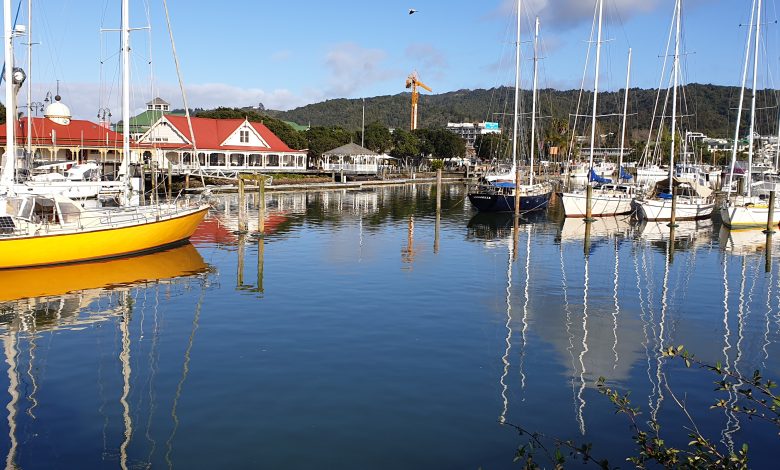
Whangārei is worth more than a fuel stop on a Northland drive. Its Town Basin lets you build a short stay around contemporary art, a working marina, walks and relaxed meals. Give it three days if you want one outdoor excursion alongside the city. The key choice is how far beyond town you actually need to travel, especially without a rental car.
Why slow down here?
New Zealand’s 2026 regional tourism initiative supports visits outside the most familiar stops during spring and early summer. That is a policy and marketing signal, not evidence that Whangārei arrivals are increasing. This guide follows the useful idea behind it: stay in one regional city long enough to experience its culture, then choose a manageable nature outing.
For a different New Zealand city break, compare the heritage-and-wildlife balance in our Dunedin guide. The cities are on different islands; treat them as alternatives or separate stages of a longer trip.
Best time and how long to stay
Late spring and early autumn are sensible starting points for a walking-and-gallery itinerary. Summer gives more scope for coastal time but deserves earlier accommodation planning around holidays. Rain is possible in any season. Choose dates around the exhibitions or guided activities you care about, then keep the outdoor day interchangeable with the indoor one.
Three nights allows two full days and an easier arrival or departure block. If you have only two nights, prioritise the Town Basin and one main visit. Add time for the Tūtūkākā Coast rather than expecting a distant marine excursion to fit into a spare afternoon. Check weather and operator conditions before treating any coastal activity as fixed.
Day 1: Town Basin and Hātea Loop
Begin beside the marina, where cafés, galleries and boats give the day a natural pace. The district council’s Town Basin guide describes the Hātea Loop and the connections between waterfront parks, bridges and public art. Walk a section that suits your energy, leaving time for lunch and a gallery rather than trying to finish every nearby trail.
The council describes the loop as accessible for mobility aids and pushchairs, but check current works and your specific access needs before setting out. A broadly accessible route does not guarantee every gallery, surface or detour will suit everyone. Keep a shorter waterfront alternative ready if rain or fatigue intervenes.
Day 2: Hundertwasser and Wairau Māori art
Make the Hundertwasser Art Centre with Wairau Māori Art Gallery the day’s anchor. The combination gives you architecture and contemporary Māori art in one precinct. Read the exhibition information and allow time to engage with the work, rather than using the building only as a colourful exterior photograph.
The centre’s visitor information recommends at least an hour and a half. Check the current guided-tour days before choosing a date. Its ticket guidance distinguishes general, resident and some separately available admissions; compare the experience you want and take any required proof for a discounted category. Do not assume a free shop entrance includes the exhibitions or roof.
Afterwards, leave room for another local gallery or a longer meal. Follow photography instructions and approach Māori cultural work through the interpretation provided by its artists and curators. You do not need to add a staged cultural encounter to make the day meaningful.
Day 3: One nature outing
Choose between a local nature visit and a separately arranged coast day. The national tourism guide highlights Whangārei Falls, but verify current paths and access locally before leaving. Wear footwear suitable for wet surfaces and stay behind barriers. A waterfall visit is not permission to enter the water or leave marked routes.
If the coast is the priority, confirm the operator, meeting point, equipment, weather cancellation and return transport. Keep this day free of a tight onward connection. When conditions are poor, return to town for museums, food or another gallery; substituting a worthwhile indoor day is better than forcing an exposed outing.
Arrival, transport and where to stay
Whangārei’s official arrival guide lists road, coach and air options from Auckland. Check your actual service rather than relying on approximate drive or flight durations. If arriving after a long international journey, a confirmed transfer or an overnight pause is more sensible than beginning a demanding drive tired.
A central or Town Basin base suits this itinerary. Check luggage storage, reception hours and your walking route after dinner. For local buses, use CityLink’s current routes; its timetable page says BusLink and CityLink do not operate on public holidays. Arrange an alternative when needed. Coastal accommodation can be attractive but changes the transport plan considerably.
Booking order and mistakes to avoid
Reserve lodging and arrival transport, then art admission or one guided activity. Compare complete costs, including transfers and equipment, before deciding a car-free stay is cheaper. Review current New Zealand safety advice; keep belongings out of unattended vehicles and follow weather warnings.
Your next step: choose one cultural priority and one outdoor priority, then confirm how you will reach both. Use our Oceania hub and Suva itinerary to compare another culture-led Pacific stay.
Sources checked 1 November 2026. Reconfirm access, tickets and transport for your dates.
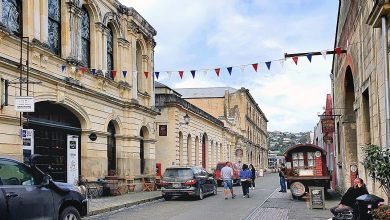
Photo: Keisenhut, Whangārei Basin, Whangārei, New Zealand, CC BY-SA 4.0, via Wikimedia Commons. Resized/recompressed display copy.

One Comment