El Jadida in 2 Days: Atlantic Walls, Local Food and a Slower Morocco Stop
El Jadida suits a Morocco itinerary that needs room to breathe. The Atlantic coast and the fortified Portuguese city give a short stay a clear centre, without requiring a different excursion every morning. Come for architecture, ordinary street life and leisurely meals. Choose a beach resort instead if your priority is a self-contained holiday beside a pool; a historic-town stay is a different experience.
Allow two nights and two usable days. One night can work between other stops, but arrival and departure logistics will take a larger share of your visit. This guide favours walking and local culture over a long attraction checklist.
When to go: choose walking weather first
Spring and autumn are sensible starting points for a trip built around outdoor exploration. Compare your dates with the Moroccan tourism office’s climate and seasons guidance, then check the local forecast. Atlantic wind can make a promenade feel cooler than an inland city on the same day. Pack a light outer layer, sun protection and shoes that grip uneven paving.
In summer, put your longer walk early in the day and keep a shaded lunch break. Winter can still suit a culture-focused stay, provided you accept rain and a less beach-oriented programme. Do not equate sunshine with safe swimming: follow local beach warnings and lifeguard instructions.
Day one: understand the fortified city
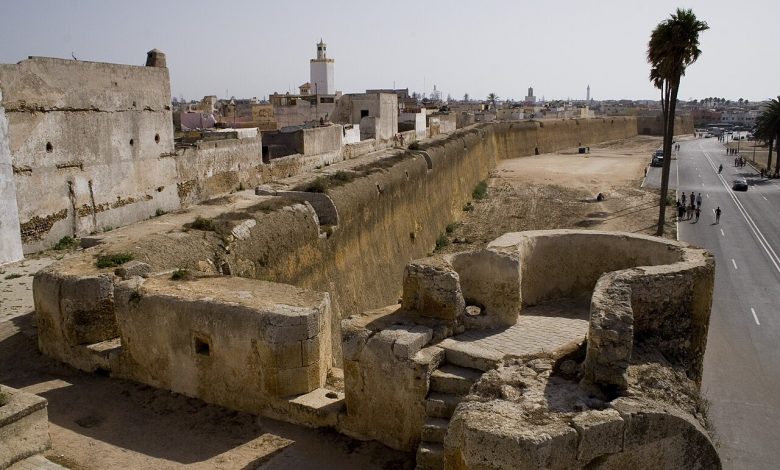
Start with the old Portuguese quarter while you are fresh. UNESCO’s Mazagan listing explains how its fortifications and surviving buildings reflect European and Moroccan influences. Read that context before walking; the walls become more interesting when you understand what they were built to do.
Explore accessible streets and permitted sections of the fortifications without forcing a complete circuit. Stone steps, exposed edges and uneven surfaces need care. Travellers with limited mobility should ask their accommodation about the specific route, rather than assuming a small historic quarter is step-free.
Keep the Portuguese Cistern conditional. Its heritage importance does not establish that it is open to visitors today. Confirm access locally before building your afternoon around it, and use extra time for street-level architecture or a café if entry is unavailable. Finish with a coastal walk in daylight.
Day two: a local meal and time beside the Atlantic
Give the second morning to the surrounding town. Look at everyday food shops, choose a café where the menu and prices are clear, and leave time to sit. Ask permission before photographing people or shop interiors. A few deliberate stops make a better introduction than trying to collect every landmark.
For lunch, ask what is available that day and clarify whether seafood is priced by portion or weight before ordering. Discuss allergies directly. Keep the afternoon flexible: revisit a favourite street, spend more time by the waterfront or take a longer break at your accommodation. Avoid adding a distant outing solely to fill the timetable.
Getting there and moving around
Compare rail and road options for your actual travel date. Use the ONCF booking service to check train availability and the exact Casablanca departure station; this guide does not assume a fixed frequency or fare. Arrange the final connection from your arrival point to your accommodation separately.
A car is unnecessary for a stay concentrated on the town, though it may suit a wider coastal route. Confirm parking and vehicle access before choosing a room inside narrow streets. For taxis, agree the fare or understand the meter arrangement before setting off. Leave a buffer before an onward flight.
Where to stay and what to reserve
Near the historic quarter, prioritise walking access, ventilation, quiet at night and clear arrival instructions. Along the seafront, compare the real distance to the places you will visit. A resort outside the centre needs its own transport plan; the word “Mazagan” alone does not tell you where a hotel sits.
Reserve accommodation first, then your intercity journey. Ask about stairs, luggage access and late check-in. Check the current Morocco travel advice and your own government’s guidance before departure.
Common mistakes to avoid
Keep a small cash reserve for minor purchases, but do not carry all your travel money on a waterfront walk. Save your accommodation address offline. Above all, avoid treating El Jadida as a brief photograph stop between larger cities: the point of staying overnight is the chance to slow down after the day-trippers leave.
Make the next decision
Compare this coastal pace with our Marrakech guide. If the architectural connections interest you, save Lisbon for a separate trip, and use the Africa planning hub to weigh other destinations. Before booking, mark your accommodation, arrival point and first morning’s walk on one map.
Photo: İhsan Deniz Kılıçoğlu (NeoRetro), Wikimedia Commons, CC BY-SA 3.0. Resized for web display.


One Comment