Mompox in 3 Days: River Heritage, Crafts and Unhurried Walks
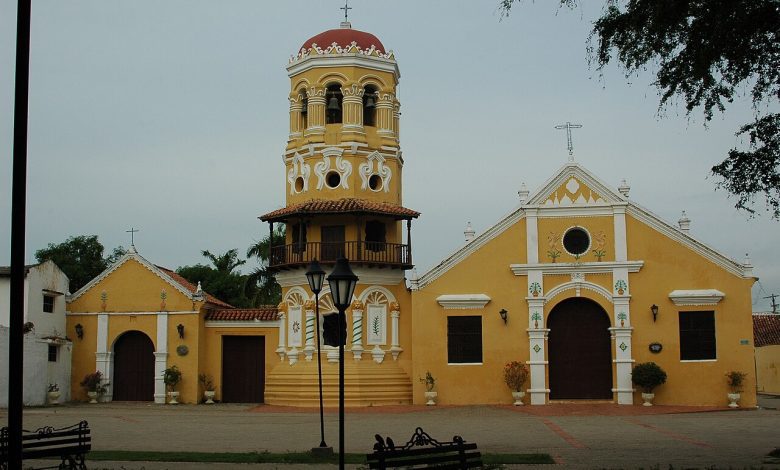
Mompox rewards travellers who can slow down. Its riverfront, churches and craft traditions make a worthwhile Colombian heritage stay, but it is not a place to squeeze into the spare hours between two flights. Decide first whether you want independent time in town or a visit within a longer river cruise.
At a glance
| Decision | Practical recommendation |
|---|---|
| Time needed | Three usable days, with realistic arrival and departure arrangements |
| Base | The historic centre if walking access is your priority |
| Daily rhythm | Earlier and later walks, with a substantial midday break |
| Book first | Confirmed transport and accommodation, then a guide or boat activity |
Why stay rather than pass through?
UNESCO’s account of the historic centre explains Mompox’s importance as a river settlement and commercial link during Spanish colonisation. Understanding that history adds more to a visit than collecting photographs of façades.
A land stay leaves room for a longer conversation with a guide, a craft visit and a second riverfront walk in different light. A cruise can simplify a wider river journey, but you need to read the actual shore programme and return time rather than assuming you have unrestricted days in town.
Day one: find the riverfront and understand the town
Begin with a compact guided or self-planned route around the historic centre and riverfront. Use ProColombia’s official Mompox guide to identify the principal churches, including Santa Bárbara and the Inmaculada Concepción.
Check access locally and respect worship. An attractive church exterior does not establish visitor opening hours, photography permission or entry to every part of the building. Ask a guide to explain the colonial story in context, including the people and trade systems behind the surviving architecture.
Keep the middle of the day light. Return to your accommodation, take a proper lunch break and resume walking later if the conditions suit everyone. Comfort matters more than completing every street.
Day two: crafts, food and a second look
Arrange a visit to a filigree workshop if craft is a reason for travelling. Ask whether a demonstration is available, how long it takes and whether there is a fee. A working business is not automatically a free performance for tourists.
If buying jewellery, ask about materials, workmanship, price and documentation. Take time to compare rather than purchasing under pressure. Ask before photographing makers or their work.
Leave the afternoon open for a museum or another small cultural visit after checking current access. Choose a meal near your route and ask directly about ingredients and dietary requirements. The useful aim is to experience daily life respectfully, not describe residents as people living outside modern time.
Day three: river scenery, if conditions permit
ProColombia identifies the nearby Ciénaga de Pijiño wetlands as an excursion option. Before booking, check the actual route, boat, guide, weather policy and return arrangements. Ask about suitable lifejackets and whether the boarding point works for your mobility needs.
Do not assume wildlife sightings, fixed water levels or a particular sunset. Follow the operator’s instructions, avoid disturbing animals and keep a town-based alternative. Leave a buffer between an excursion and onward transport instead of depending on everything running precisely to plan.
Transport, timing and where to stay
Compare an arranged road journey from your preceding city with a river-cruise programme. Confirm the exact pickup and drop-off locations, luggage arrangements, stops and cancellation terms. Do not rely on an old flight-frequency list: any regional flight must be checked with the operating airline for your actual date.
The official tourism guide stresses Mompox’s heat. Choose dates around confirmed transport and the cultural activities you want, then check forecasts close to departure. Holy Week or a festival can change the experience and availability; verify the current programme before making it the reason for a trip.
A historic-centre hotel can simplify walking, but inspect the practical details: air conditioning or ventilation, stairs, room access, quiet hours and vehicle drop-off. A restored building is not necessarily step-free. Confirm luggage storage and reception arrangements if your transfer arrives outside normal check-in hours.
Booking priorities and common mistakes
Book the arrival/departure plan first, then the room and any limited-capacity activity. Read current regional travel advice for Colombia, your own country’s advice and insurance conditions for the actual route. A heritage designation is not a safety guarantee.
Avoid too many hotel changes, exposed midday walking and a boat booking with unclear inclusions. Compare total quoted costs rather than assuming a smaller destination must be inexpensive.
Continue planning
Connect the wider itinerary through our South America destination hub, use the Medellín planning guide for a separate Colombian city stay, or browse the destination photo gallery. Check the connection between bases before adding another stop.
Featured photo: Tullio Andreatta (O–o), CC BY 3.0, via Wikimedia Commons. Resized for web display. Sources checked 20 October 2026.


One Comment