South Georgia Expedition Cruise: A Practical First-Time Guide
South Georgia is not a conventional island holiday. It is a remote sub-Antarctic stop reached by expedition ship, chosen for wildlife, dramatic mountains and polar history. The island rewards travelers who accept flexible landings and strict environmental rules. This guide explains how to decide whether South Georgia belongs in your itinerary and how to prepare for a responsible first visit.
When to go and how many days to allow
Most visits take place during the austral summer, when expedition vessels operate in the Southern Ocean and daylight supports shore landings. Exact wildlife activity varies by month and location, so ask the operator what species and colonies the sailing is designed around rather than relying on a guaranteed list. South Georgia is normally part of a longer expedition from Ushuaia that also includes the Falkland Islands and/or the Antarctic Peninsula. Allow at least 10–14 days for a combined voyage; the island itself may receive several landings, but weather can change the sequence.
Choose the right expedition
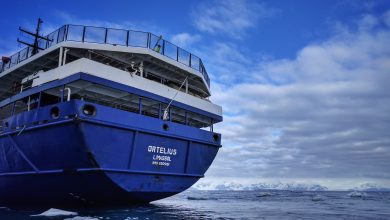
South Georgia is reached by ship, not by independent public transport. Compare vessels by passenger capacity, number of expedition staff, landing equipment, medical support, and the operator’s environmental procedures. A smaller expedition ship may offer more flexible landing logistics, but every landing remains subject to sea conditions, wildlife protection and local permission. Confirm whether the itinerary includes South Georgia, how many possible landing days are planned, and what happens if a landing is cancelled.
Read the operator’s cancellation and medical evacuation terms carefully. This is a remote journey: travel insurance should cover expedition cruising, emergency evacuation and the activities you intend to join. Do not choose solely on the lowest advertised fare; compare what is included, such as transfers, hotel nights, gear loan, meals and pre- or post-voyage accommodation.
A practical South Georgia sequence
Days 1–2: Ushuaia and embarkation
Arrive in Ushuaia early enough to absorb a flight delay and attend the ship’s safety briefing. Keep essential medicine, waterproof layers and documents in your hand luggage. The expedition team will normally explain biosecurity, footwear cleaning and wildlife distances before departure.
Days 3–5: Southern Ocean crossing
The crossing is part of the experience, not wasted time. Attend wildlife lectures, practise using binoculars and keep plans flexible. Seasickness medication is worth discussing with a medical professional before departure. Pack layers rather than bulky single garments, plus waterproof trousers, gloves, a warm hat, sunglasses and high-factor sunscreen.
Days 6–9: South Georgia landings
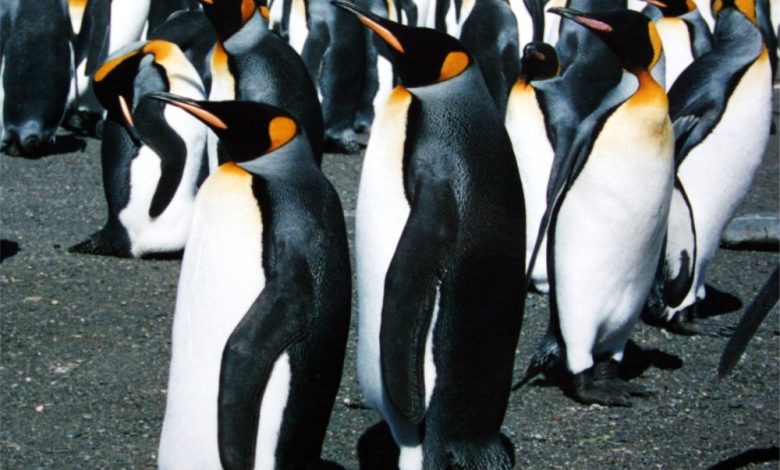
Possible stops vary, but may include beaches with king penguins, historic Grytviken, seal colonies and mountain-framed bays. Your crew will choose safe landing sites each day. Walk slowly, stay on marked routes, never approach wildlife, and follow staff instructions when fur seals occupy paths. At Grytviken, historic structures and memorial sites require respect; access can change for safety or conservation reasons.
Days 10–14: Return voyage or Antarctic Peninsula
Some sailings continue toward the Antarctic Peninsula, while others return north. Keep your final international connection flexible and avoid scheduling a same-day flight after disembarkation.
Biosecurity and responsible wildlife visits
South Georgia protects one of the world’s most important wildlife environments. Before boarding, clean mud and seeds from clothing, bags and footwear. Operators will inspect and disinfect equipment, and some items may be restricted. Never take food ashore, collect rocks or feathers, or use a drone without explicit permission. Maintain the distance required by the expedition team even when an animal approaches you. The Government of South Georgia visitor guidance and IAATO visitor information should be checked before departure because procedures can change.
What to book and what to verify
Reserve the expedition first, then confirm Ushuaia hotels, domestic connections and any pre-voyage transfer. Check passport and entry requirements for every transit country with official authorities; requirements depend on nationality and route. Ask whether the sailing’s permits and landing plans are handled by the operator. For background, the South Georgia Heritage Trust and South Georgia Museum provide useful conservation and history information.
For a broader polar comparison, continue with our first Antarctica expedition cruise guide, the main Antarctica travel guide, and our Patagonia planning guide.
South Georgia booking checklist
- Compare passenger capacity, landing plans, expedition staff and medical support.
- Allow buffer nights around Ushuaia and your onward international flight.
- Complete clothing and boot biosecurity checks before embarkation.
Common questions
Can I visit South Georgia independently?
No. Visits are made through organised expedition voyages, and landing plans remain subject to weather, conservation rules and local permission.
How long should I allow?
A combined South Georgia and Antarctic expedition commonly needs around two weeks or more, depending on the route. Compare the full voyage rather than only the number of shore landings.
South Georgia is demanding, but careful preparation turns the remoteness into the central strength of the journey.
Featured photograph: King penguins at South Georgia Island, photograph by Brocken Inaglory, Wikimedia Commons, CC BY-SA 3.0. The image is hosted in this site’s media library.