Galápagos Trip Planning: Cruise or Island Base, Seasons and Wildlife Rules
Galapagos Islands Travel Guide: Things to Do in 2026
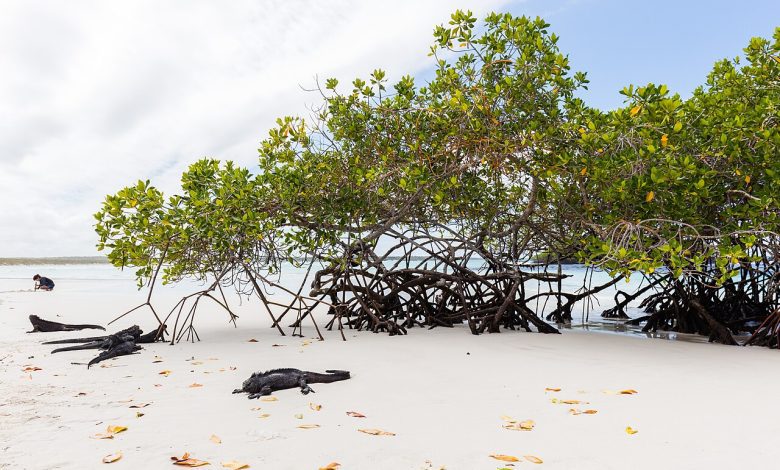
Featured photo: Diego Delso, delso.photo, Wikimedia Commons source, CC BY-SA 4.0. Resized; the theme may crop it for display.
The first Galápagos decision is how you want to travel: sleep aboard an expedition boat or stay on an inhabited island and book authorised excursions. That choice shapes your transfers, comfort and access more than a long wish list of wildlife. This research-based guide recommends allowing five to seven island nights for a first visit, plus separate mainland travel buffers.
Start with the trip that suits you
| Option | Useful for | Check before paying |
|---|---|---|
| Expedition cruise | A structured itinerary with guiding and fewer hotel changes. | Approved route, cabin layout, sea conditions, activity demands and inclusions. |
| One island base | More control over meals, rest time and selected day trips. | Excursion availability, boat safety, transport and the locations each trip can actually reach. |
| Multiple island bases | Travellers with extra time and a clear reason to change islands. | Transfer conditions, luggage handling and enough nights at each stop. |
Best time: compare trade-offs rather than expect perfect weather
There is no universally best season for every Galápagos activity. Roughly December to May is the warmer, wetter period, often with warmer water. June to November is generally cooler, with garúa mist, cooler water and potentially rougher sea conditions. These are broad patterns, not guaranteed sunshine, visibility or wildlife encounters.
The Galápagos Conservancy planning guide explains those seasonal differences. Match them to your priorities: comfort on boats, snorkelling conditions or particular natural-history interests. Ask your operator what equipment and flexibility suit your departure, rather than choose only by a generic “dry season” label.
Current check: Ecuador’s travel advice, updated on 2 October 2026, includes information about the forecast 2026–2027 El Niño event. Review current weather and boat-safety guidance before committing to transfers; normal seasonal patterns cannot predict your trip’s conditions.
Cruise or land-based stay?
A cruise may suit visitors who want guiding and a fixed daily structure. Compare the actual authorised itinerary rather than simply count islands. Ask about embarkation, cabin location, wet landings, medical support and which activities are optional. Remote sites are not freely interchangeable, and weather can require changes.
A land-based stay can work well from Puerto Ayora on Santa Cruz or Puerto Baquerizo Moreno on San Cristóbal. Choose one initial base and build the days around excursions it can realistically support. Accommodation flexibility does not mean unrestricted access to protected sites. Some visits require an authorised guide or service.
Changing islands is worthwhile only when it adds something you specifically want. Fast-boat transfers can be uncomfortable and consume more time than the sailing alone. Confirm luggage arrangements, safety equipment and the return plan; do not build a tight connection around an assumed punctual crossing.
A workable first-visit plan
For a land-based week, use arrival day to settle in and confirm booked excursions. Reserve two or three separate days for authorised boat or wildlife outings, keeping another day flexible for weather changes. Use a remaining day for permitted local walks and rest rather than adding a distant island simply to fill the schedule.
On Santa Cruz, Tortuga Bay and the highlands can provide different landscapes when access and conditions allow. On Isabela, Sierra Negra needs its own preparation and current access check; it is not a casual extra on another island’s itinerary. Choose a route and guide appropriate to the actual trail conditions.
Diving requires a separate suitability decision. Tell the operator your certification and recent experience, ask about currents and supervision, and decline a site beyond your ability. Seeing wildlife from a boat or shore can be rewarding without forcing every traveller into the water.
Flights, entry checks and mainland buffers
Island flights connect through mainland Ecuador, commonly Quito or Guayaquil, to Baltra or San Cristóbal. Check the airport that matches your accommodation or embarkation point. Baltra is not the same place as Puerto Ayora, so the onward land-and-channel transfer needs planning.
Check the Galápagos Governing Council’s current Transit Control Card instructions and the National Park arrival guidance for documents, inspection and applicable charges. Obtain an itemised quote showing flights, park charges, transfers, equipment and meals instead of assuming a package includes everything.
Review current Ecuador regional travel advice when planning the mainland portion. As checked on 5 October 2026, UK advice against non-essential travel to Guayas does not apply to airside transit at Guayaquil Airport; it does not give blanket approval to an overnight city stay. Check your own country’s guidance and insurance before choosing a connection or mainland hotel.
Wildlife rules and responsible visits
The National Park’s visitor-rules campaign requires at least two metres from wildlife, including for photographs. Do not touch, feed or pursue animals. Stay on designated routes and follow your guide when an animal approaches; a close encounter is not permission to move closer.
Clean footwear and equipment and follow baggage inspections to help prevent introduced species. Do not carry food, seeds or biological materials without checking the biosecurity rules. Use authorised operators and ask about life jackets and emergency arrangements, even for a short boat journey.
Common questions
Will I see every famous animal in one week?
No itinerary can guarantee sightings. Choose a responsible route with several opportunities and accept that wildlife and weather remain outside the operator’s control.
Does a land-based trip always cost less?
Not necessarily. Compare accommodation, meals, day boats, guides and transfers together. An attractive room rate says little about the final trip cost.
Continue planning your wildlife journey
Use our Ecuador travel guide for wider route context, checking mainland advice separately. If you are comparing expedition styles, our first Antarctica expedition cruise guide helps frame ship and activity questions; its destination rules differ from the Galápagos.
Your next step: choose a cruise or one island base, then explore the South America destination hub for the rest of your trip.
Visitor rules and changing travel guidance checked on 5 October 2026. Routes are editorial suggestions, not guaranteed operator itineraries.