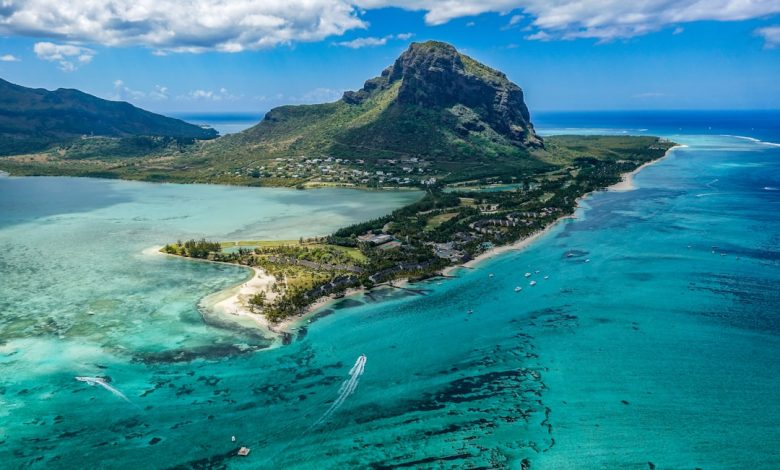
Mauritius rewards a slower itinerary than its size suggests. For a first visit, allow six or seven days, choose one coastal base or split the stay between two regions, and group outings by area. The island combines lagoon time, food, village life and inland scenery, but cross-island travel can consume more of a day than a map suggests.
Quick planning guide
- Time: six days gives you a useful mix of coast, inland scenery and a buffer day.
- Choose a base: north or west for a mix of dining and coastal activities; east for a lagoon-centred stay; south or southwest for landscapes and a quieter pace. Compare your exact lodging location and transport before booking.
- Getting around: a rental car offers flexibility; transfers work well for planned outings; public buses require route and timetable checks, especially for early starts or late returns.
- Weather: use the Mauritius Meteorological Services forecast, not a generic month-by-month promise.
When to go
Mauritius has a tropical maritime climate, and conditions differ by season and coast. The national meteorological service notes that much rainfall occurs in the summer months, but that does not guarantee a particular beach or excursion will be dry. Check the forecast and official warnings close to travel, especially when your plans depend on a boat, hike or exposed viewpoint. If dates are flexible, compare the experiences you want against the current seasonal outlook instead of chasing a single “best month.”
A practical six-day outline
- Day 1 — arrive and settle: arrange the airport transfer in advance and keep the first day close to your accommodation. Confirm local meal and transport options with your host.
- Day 2 — explore your coast: choose a beach, nearby village and meal stop. Use this day to gauge actual driving or bus times from your base.
- Day 3 — Port Louis and local food: explore the capital’s market and waterfront area. Check current opening information, and plan the city visit on a day that fits your onward route.
- Day 4 — inland landscapes: select a small number of nature stops, such as a garden, viewpoint or waterfall area. Check access, weather and walking conditions before departing; do not overfill a route with distant stops.
- Day 5 — choose east or south: dedicate the day to one region. If booking a lagoon or boat activity, confirm the operator, meeting point, safety equipment, sea-condition policy and what happens if weather cancels.
- Day 6 — flexible finish: keep this for rest, a missed activity or a short walk. If departing that day, avoid a long cross-island outing and leave a generous airport buffer.
One base or two?
A single base is simpler for a six-day beach-focused stay. If you want to explore several corners of the island, splitting the stay can reduce repeated long drives, but it adds a hotel move. Book two bases only after mapping the places you actually intend to visit; do not change hotels just to “cover” the island. For a first trip, convenience, meal choices and transfer arrangements may matter more than being closest to every attraction.
Transport and booking priorities
Driving is on the left. If you rent a car, check the route, parking, insurance and pickup terms before confirming. If you prefer not to drive, ask your accommodation which transfer providers and bus routes work for your planned outings. The National Land Transport Authority timetable is the official reference; confirm the relevant route and current service close to departure.
Reserve accommodation first for fixed dates, then book only the small-group excursion or guide that is central to your trip. Confirm cancellation terms and whether transport is included. The Ministry’s tourist-site information can help you shortlist places, but check the attraction or operator directly for current access details.
Common mistakes
- Trying to drive around the island every day instead of choosing a region.
- Assuming the same beach or coast has identical weather and sea conditions throughout the year.
- Relying on a bus for an early tour or late return without checking the timetable.
- Booking a boat trip without understanding its weather cancellation and safety arrangements.
- Scheduling a long excursion on arrival day or just before an international departure.
Frequently asked questions
How many days do I need in Mauritius?
Six days is a useful starting point for a first visit. Add days if you want a slower resort stay, several hikes or more than one boat outing.
Do I need a rental car?
No. A car gives flexibility, while transfers and buses can work when planned around current routes and your accommodation. Choose based on where you will stay and how independently you want to travel.
Should I stay on one coast?
For a short trip, one well-chosen base is easiest. Consider a second base if your planned activities cluster far apart and you are comfortable moving hotels.
Continue planning: use the Africa travel hub to compare island and mainland routes, then explore Rwanda in five days or our Cape Town itinerary for a different regional trip style.
Sources checked 8 October 2026: Mauritius Meteorological Services, Mauritius Ministry of Tourism and the National Land Transport Authority. Check current forecasts, route timetables, access and operator policies before travel.



One Comment