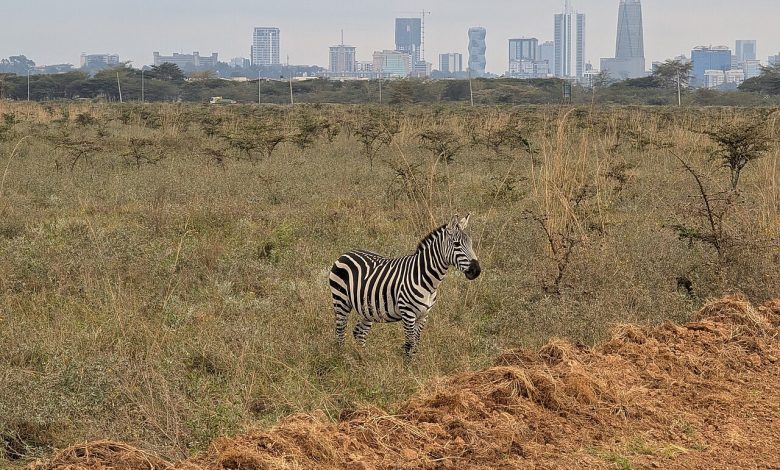
Nairobi deserves time of its own rather than a rushed overnight between flights and a safari. A two- or three-day stay lets you see the city’s museums, food and contemporary culture alongside a carefully planned wildlife visit. The key decisions are where to base yourself, how to cross the city and whether you want a national-park drive or a conservation-centre visit—not how many animal encounters you can fit into a morning.
How many days and where to stay
Allow two full days for a first visit; add a third if you want a slower museum day or need a buffer before a flight. Central locations can suit business and museum plans, while Karen is useful if most activities are south or southwest of the centre. Compare travel time to the airport and your first appointment, not merely the advertised distance. Arrange a reliable airport transfer with your accommodation and keep the pickup instructions offline.
A useful two-day Nairobi plan
Day one: history and contemporary city life
Start at the Nairobi National Museum for context on Kenya’s natural and cultural history. Check exhibitions and visitor details with the National Museums of Kenya. Then choose a gallery, a guided neighbourhood walk or a local craft market rather than stacking distant sights. Ask the guide what is included and whether your visit supports the artists or makers directly. Try Kenyan dishes at a well-reviewed restaurant; opening arrangements and menus change, so verify a specific venue before traveling across town.
Day two: Nairobi National Park
For wildlife in a natural habitat near the city, arrange a vehicle and a knowledgeable driver for Nairobi National Park. Confirm the current entrance, ticket method, vehicle rules and any closures with the Kenya Wildlife Service before paying an operator. Wildlife sightings are never guaranteed. Keep distance from animals, remain where the ranger or driver permits, and do not ask for a closer photograph. An early start is often practical, but align the plan with your actual park booking and transfer times.
Conservation visits: choose thoughtfully
The Sheldrick Wildlife Trust explains its elephant rescue and rehabilitation work; check its own website for whether and how visitors can attend. The Giraffe Centre posts its programmes and visitor notices. These are distinct from a game drive. Follow staff rules, keep photographs respectful and avoid treating animal contact as the purpose of a conservation visit. This replaces the older article’s advice to kiss giraffes or pet elephants, which was not appropriate travel guidance.
Getting around and planning costs
City traffic makes a tightly timed list risky. Cluster the museum and city activities on one day, and put park or Karen-area appointments on another. For multiple stops, compare an accredited driver or guided vehicle with individual rides; confirm the total price, waiting time, park vehicle charges and return transfer in writing. Matatus are an important part of local life, but an unfamiliar visitor with luggage may prefer a prearranged pickup. Keep valuables discreet and ask your hotel for current neighbourhood and evening-transport advice.
Prices for park entry, conservation visits and transport can change; this guide does not quote a stale figure. Check the operator’s cancellation terms and distinguish what is paid to the park from what is paid to a private driver. For entry formalities, use the official Kenya eTA portal for your nationality and itinerary, rather than assuming every visitor has the same rules.
When to go and what to pack
Nairobi’s altitude can make mornings and evenings feel cooler than a traveler expects from an equatorial city. Bring layers and rain protection; confirm the forecast for your dates. For a park outing, take water, sun protection and a camera with a lens that does not require approaching wildlife. Build a flight buffer into the last day instead of planning a late park visit before an international departure.
Common mistakes and next steps
Do not promise yourself a Big Five safari from a brief city stop. Do not book overlapping appointments across town, rely on an old admission rate or assume a conservation-centre programme accepts walk-ins. If Nairobi begins a longer wildlife trip, compare our Maasai Mara–Serengeti guide and Rwanda itinerary, then explore the Africa section. Recheck every park and activity directly shortly before departure.
Featured photograph: Zebra and city skyline in Nairobi National Park by Addshore, CC BY-SA 4.0, via Wikimedia Commons. Resized/cropped for this page.





2 Comments